5.20.2026

CEO, Principal Designer
As CEO, Principal Designer, and Chief Visionary at HHDESIGNERS, Heshy's gifted eye and passion for breaking molds is apparent in every project his firm undertakes. His impressive portfolio includes one-million-square-foot office parks, five-star hotels, 500-home residential developments, healthcare complexes, entertainment venues, and other spaces across the U.S. and around the world.
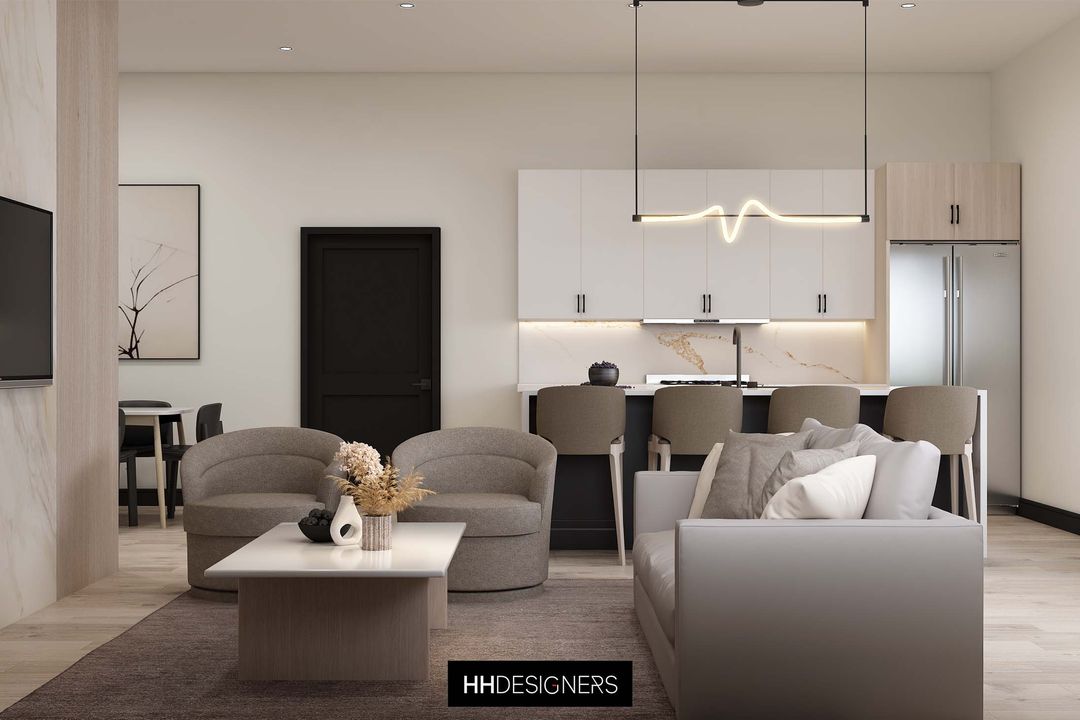
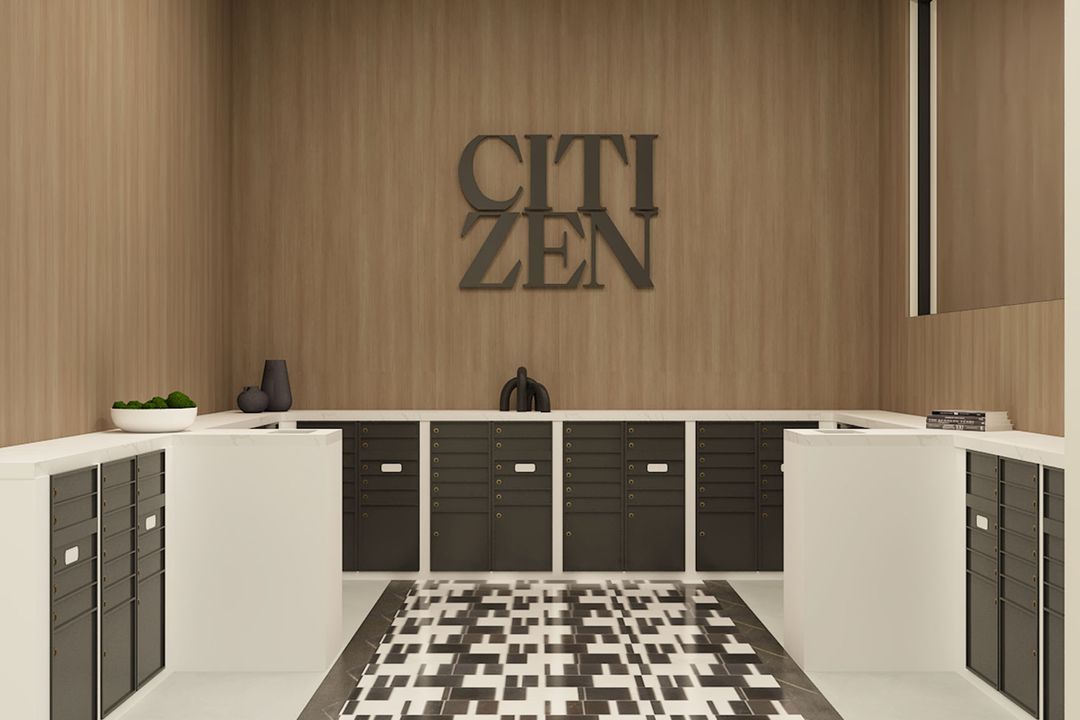
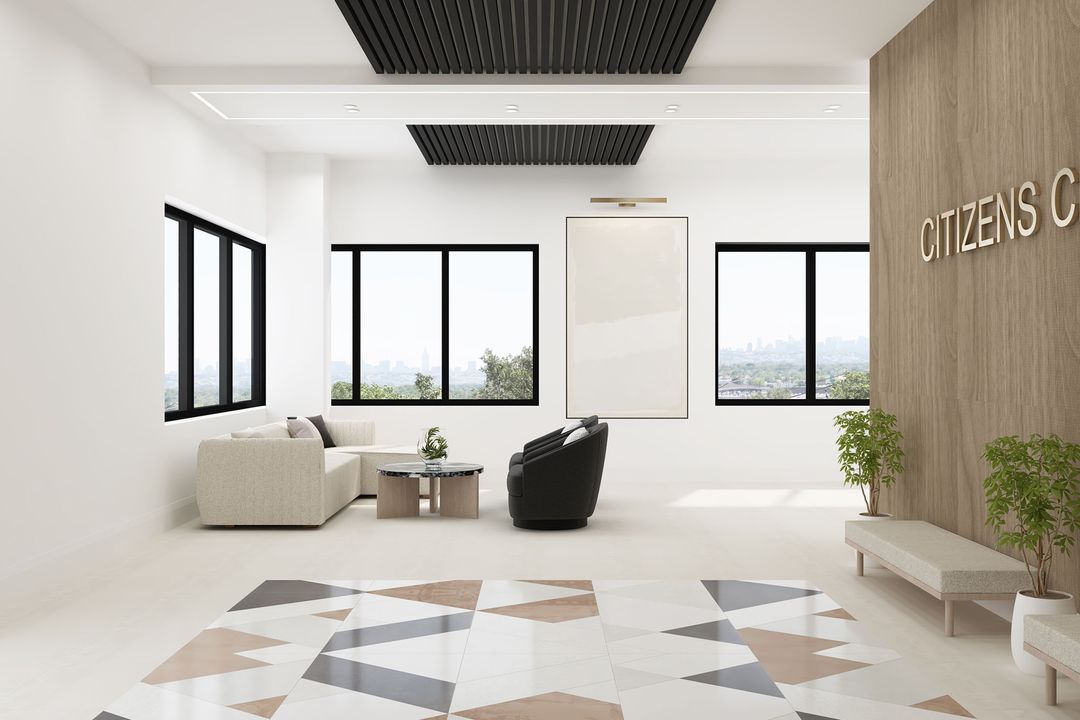
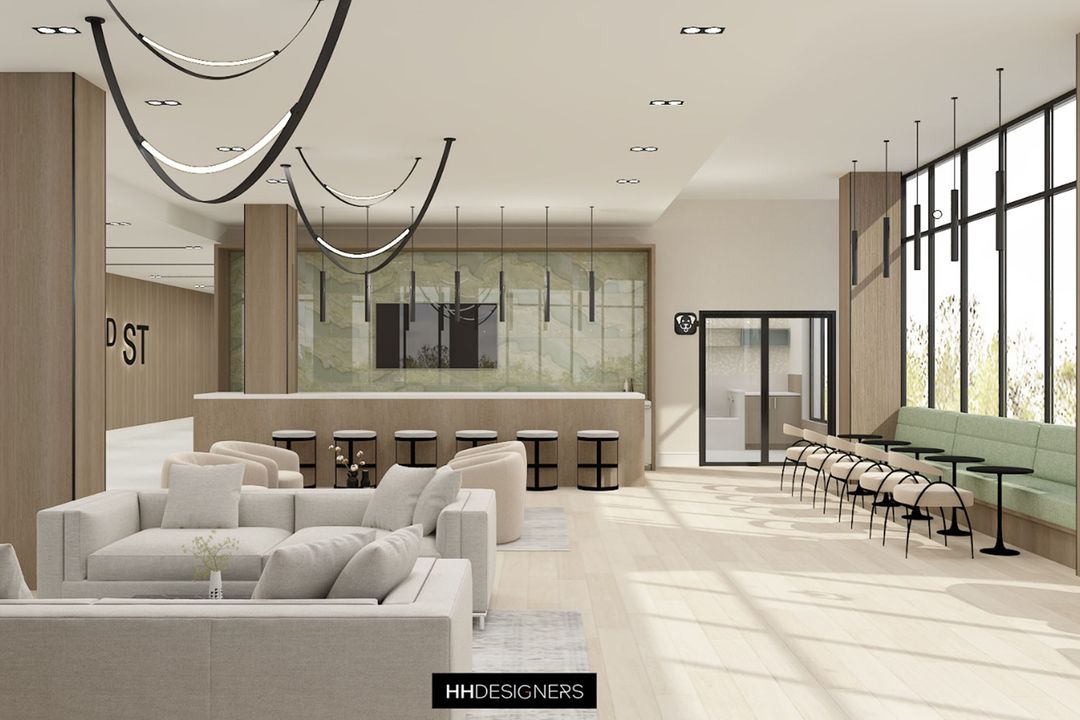
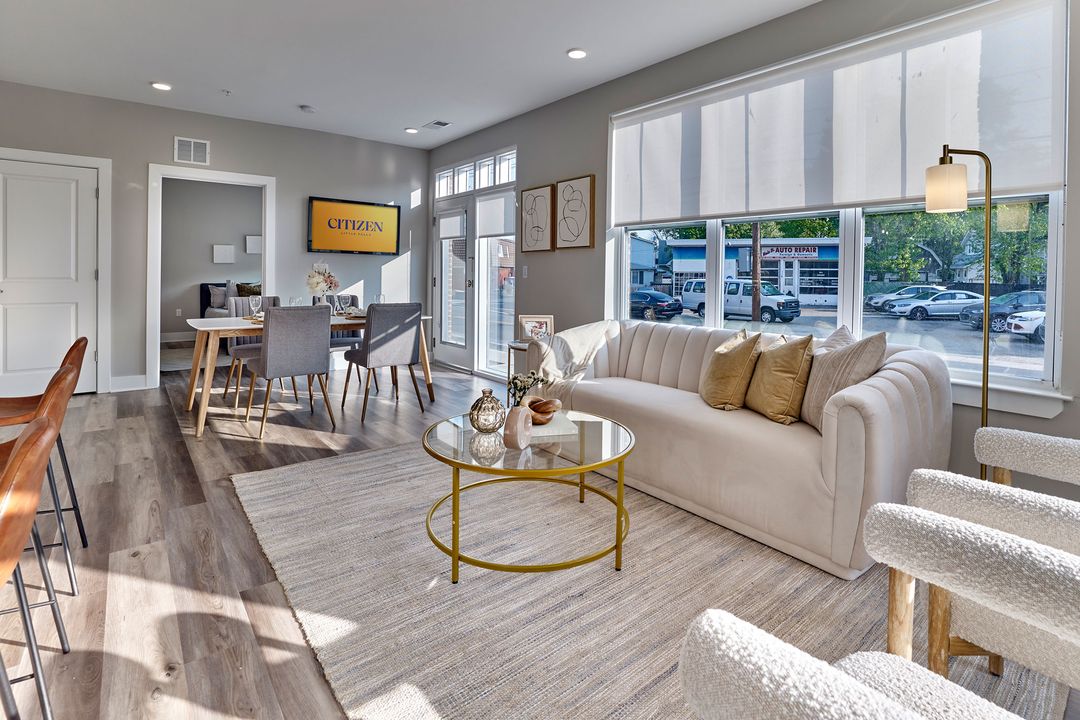
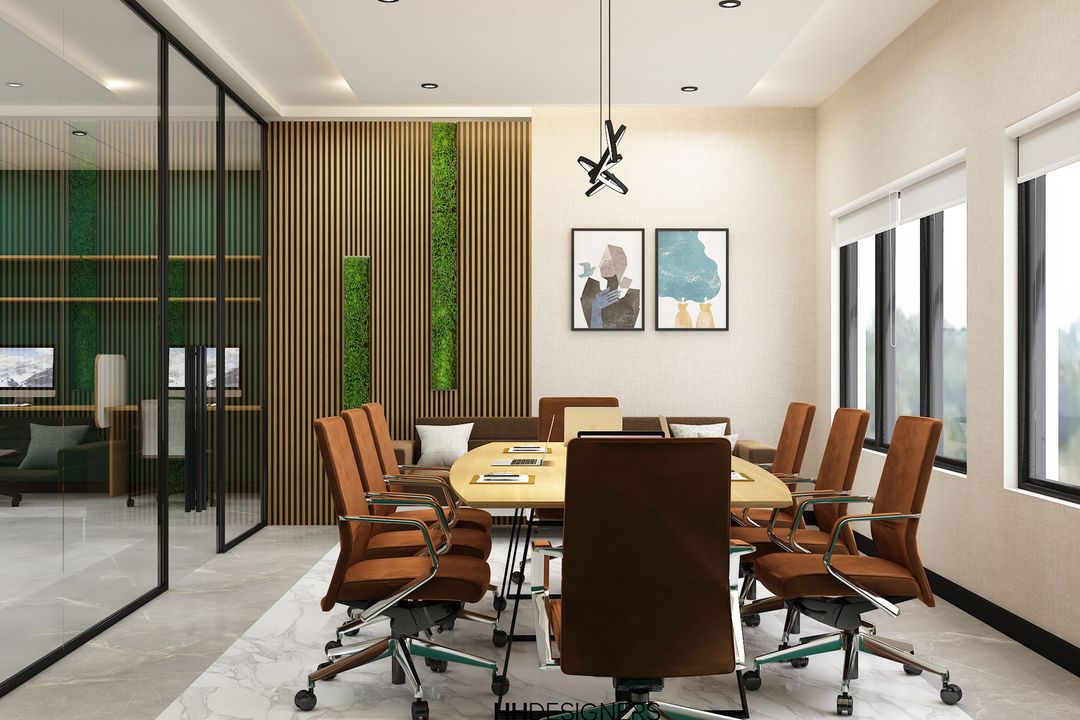
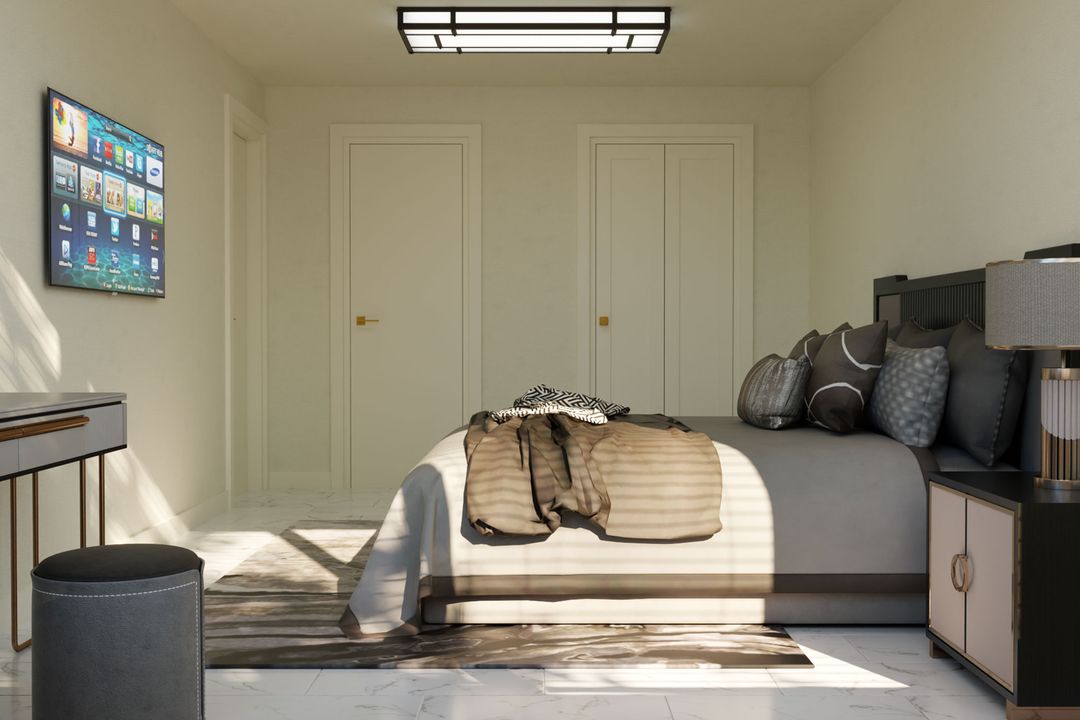
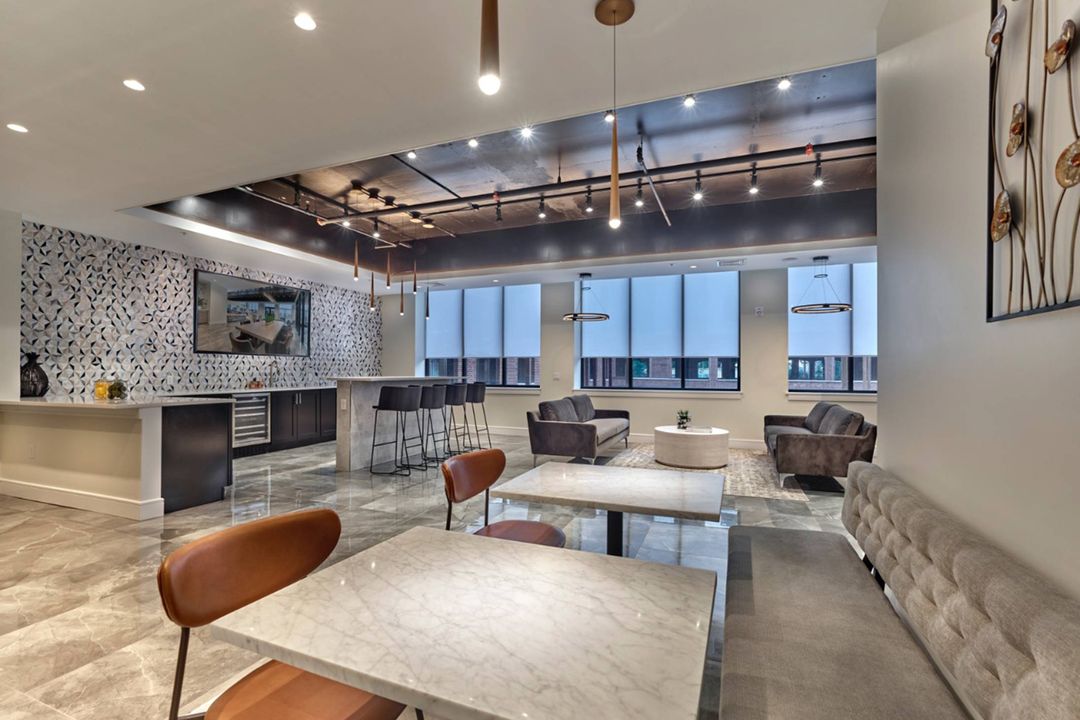
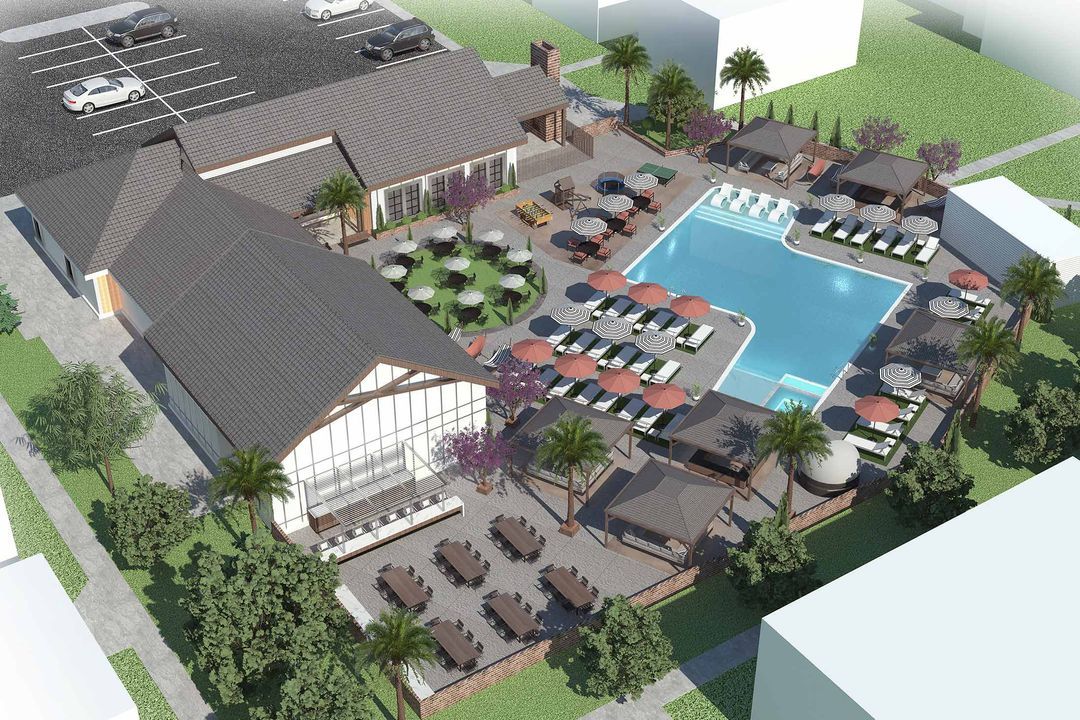
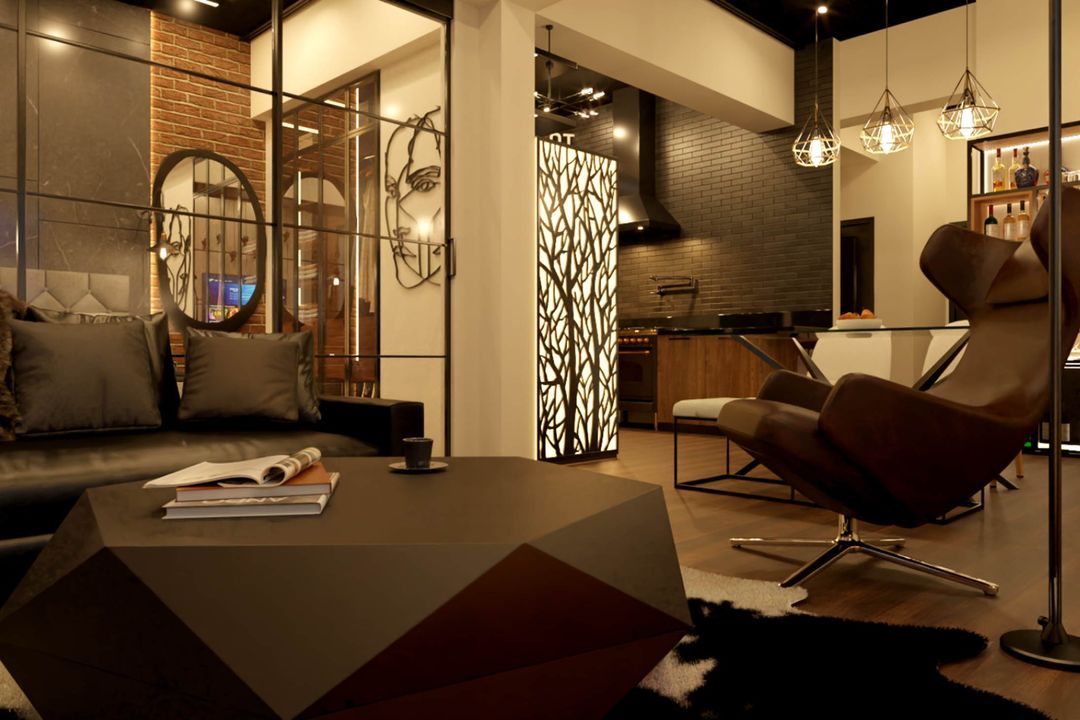
Multifamily architecture is about much more than fitting as many units as possible into a building.
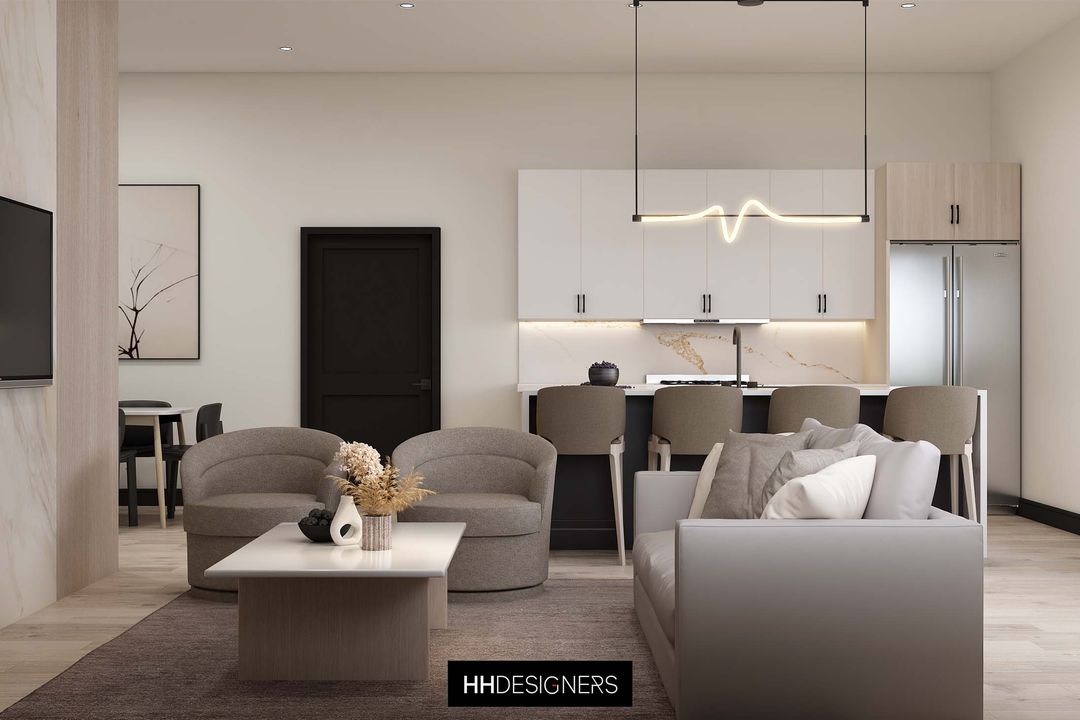
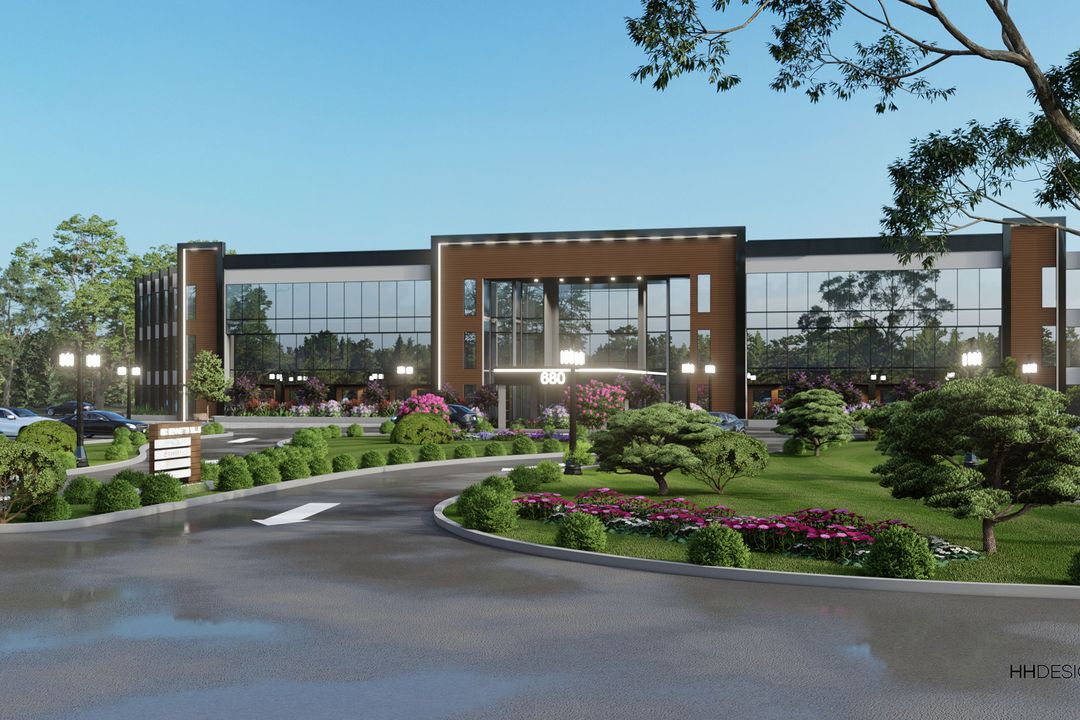
A successful apartment building, condo development, mixed-use residential property, or multifamily community needs to work beautifully at every level. The exterior has to create curb appeal. The lobby has to set the tone. The corridors need to feel elevated, not forgotten. The amenity spaces need to support lifestyle and leasing. The units need to feel efficient, livable, and thoughtfully planned. The materials need to hold up to daily use. And the entire property needs to feel cohesive from the first impression to the private living experience.
That is why multifamily architecture requires more than a standard building plan. It requires a team that understands how people actually live, move, gather, lease, visit, and experience residential buildings.
HH Designers helps multifamily developers, owners, and project teams create residential environments that feel elevated, marketable, and highly intentional. While HH Designers is not an architecture firm, the team works closely with trusted architects, builders, developers, and ownership groups to help shape multifamily properties from the inside out.
The result is a building that does more than contain apartments. It creates an experience.
For developers planning an apartment building, condo project, mixed-use residential property, high-rise, mid-rise, adaptive reuse project, or boutique multifamily community, HH Designers can help translate the vision into a physical environment that feels polished, functional, and built for long-term value.
For more inspiration, explore HH Designers’ article on modern multifamily design examples, or visit their dedicated page for multifamily interior design.
Below are 19 multifamily projects that show how HH Designers approaches apartment building design, architectural detailing, shared spaces, unit planning, amenities, and resident experience.
A multifamily building is not just a collection of units.
It is a complete residential ecosystem.
Residents experience the property through a sequence of moments:
Every one of these touchpoints affects how the property feels.
That matters because multifamily design is directly tied to leasing, retention, perceived value, brand identity, and long-term asset performance.
Great multifamily design needs to answer questions like:
This is where HH Designers becomes a valuable project partner.
The architect may lead the building shell, code coordination, site planning, structure, permitting, and construction documentation. HH Designers helps shape the interior experience within that framework, ensuring the building is not only buildable, but also beautiful, livable, marketable, and aligned with how residents actually experience the property.
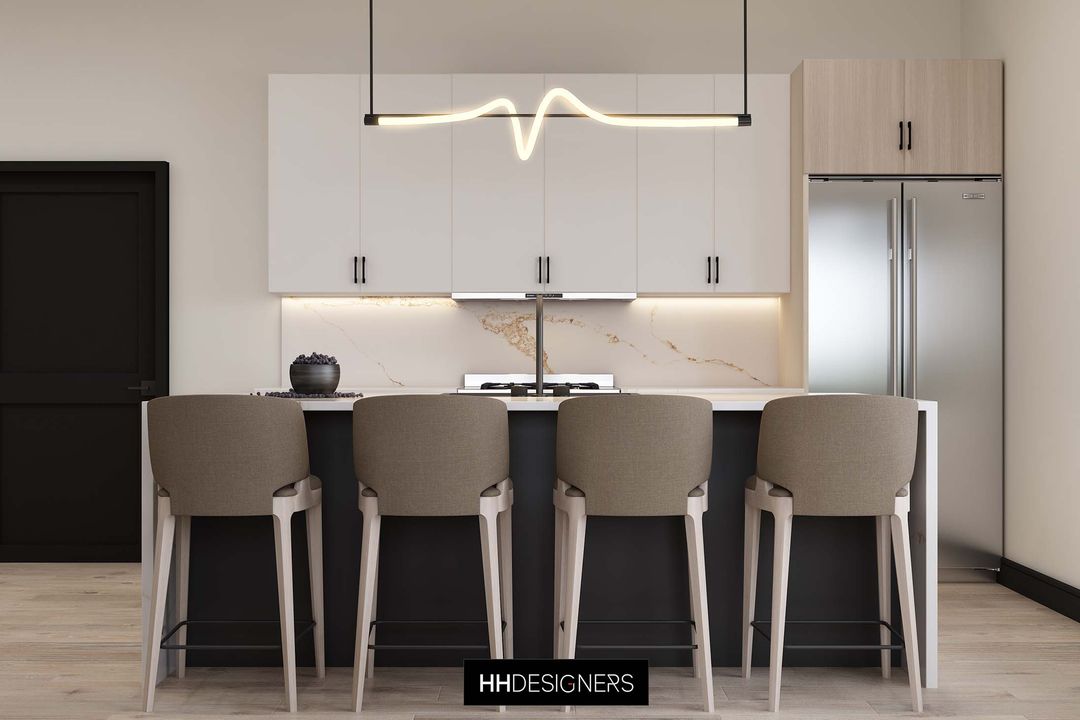
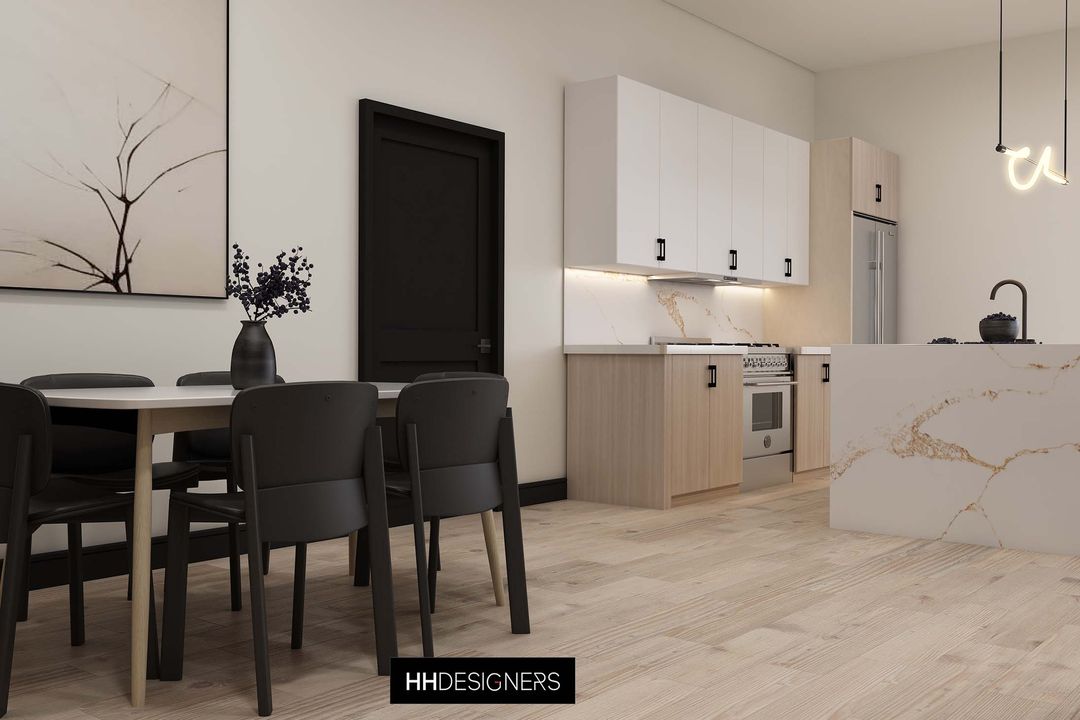
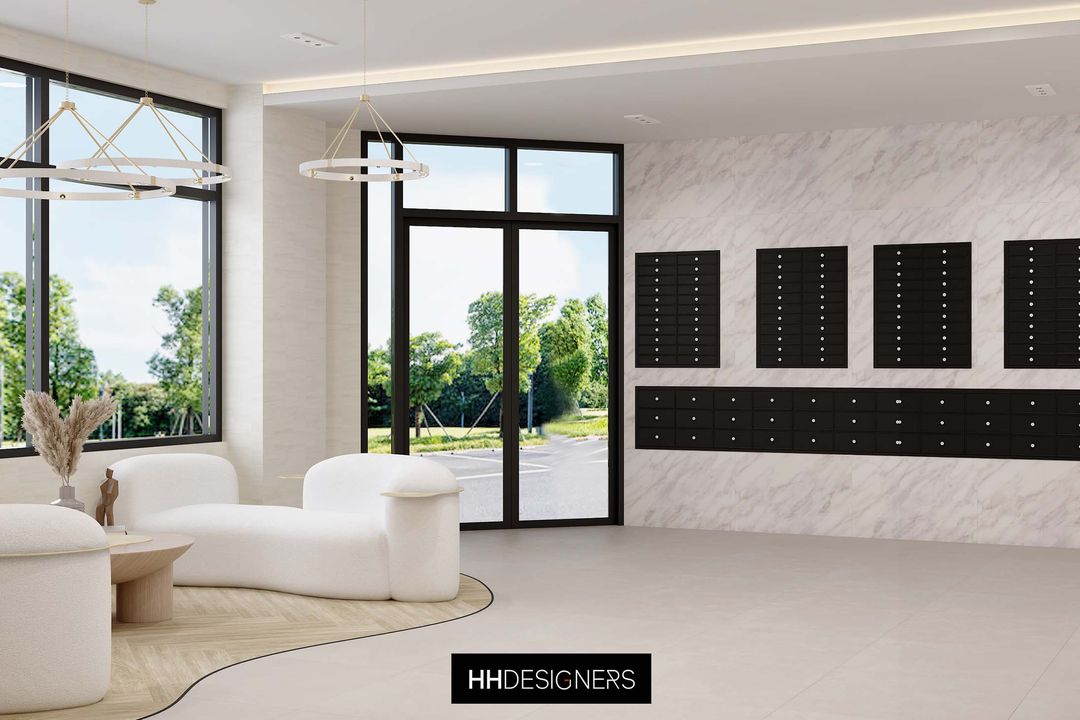
Seaside Heights is a strong example of how multifamily design can respond to location, lifestyle, and resident expectations.
For a coastal or destination-adjacent multifamily property, the design opportunity is not just to create apartments. It is to create a residential experience that feels connected to the surrounding environment.
A project like Seaside Heights requires careful thinking around:
HH Designers can help multifamily owners and architects think through how the design should feel before the building is fully locked in. In coastal and lifestyle-driven markets, the interiors play a major role in how residents emotionally connect with the property.
The best multifamily buildings do not feel like standard apartment boxes. They feel like places people are proud to live.
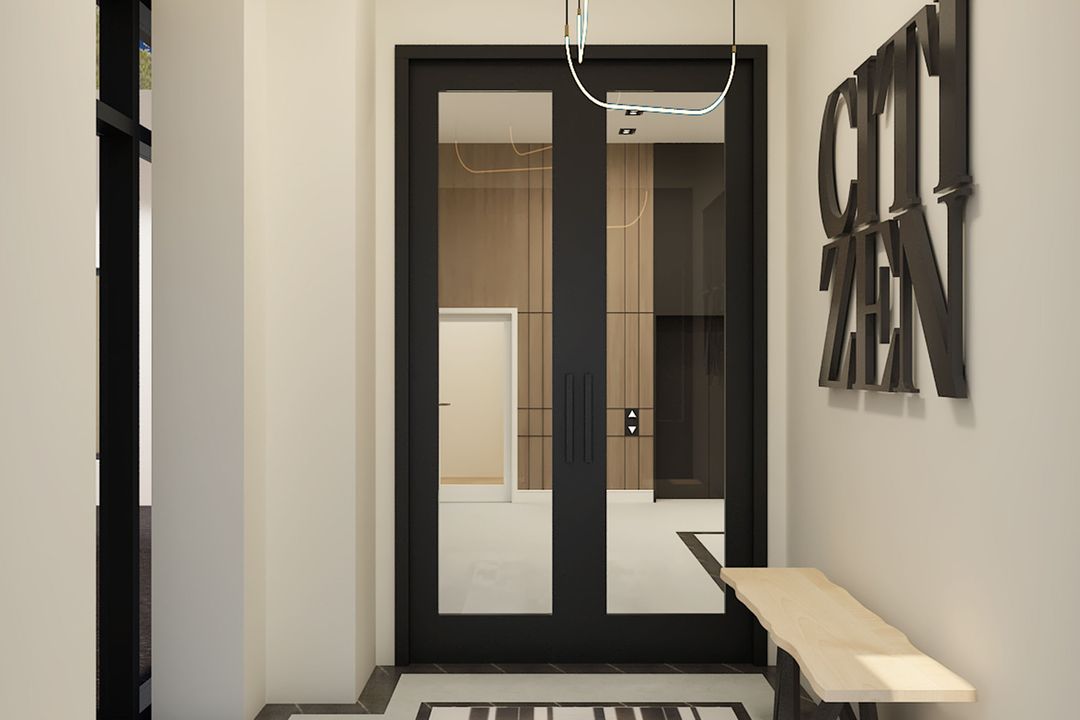
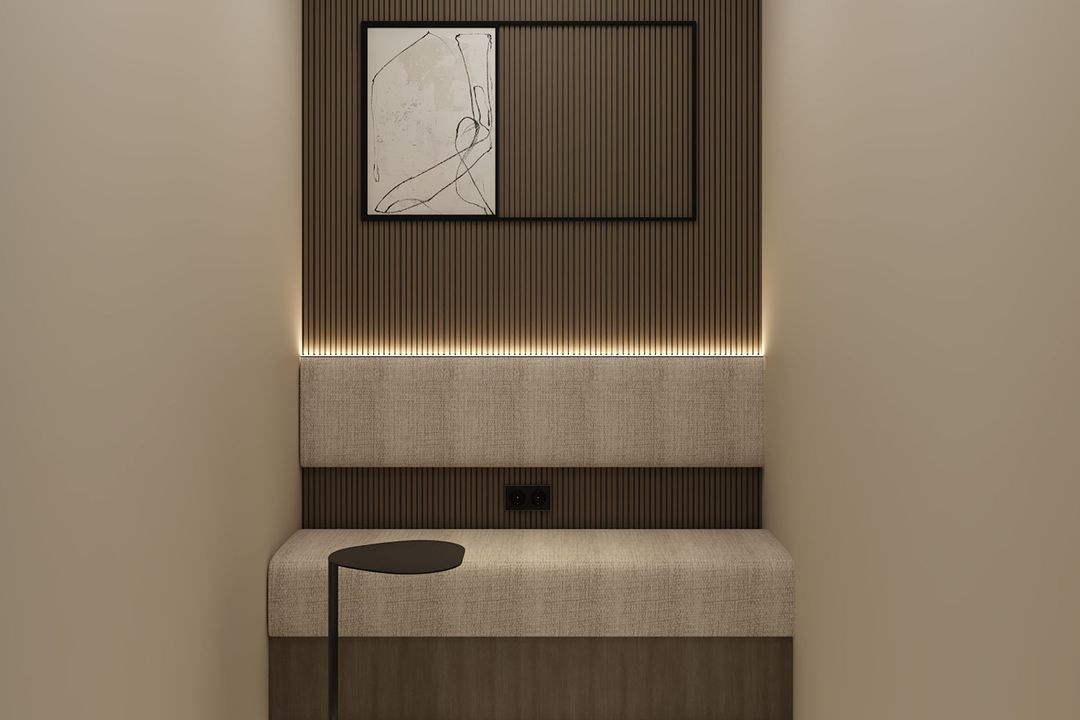
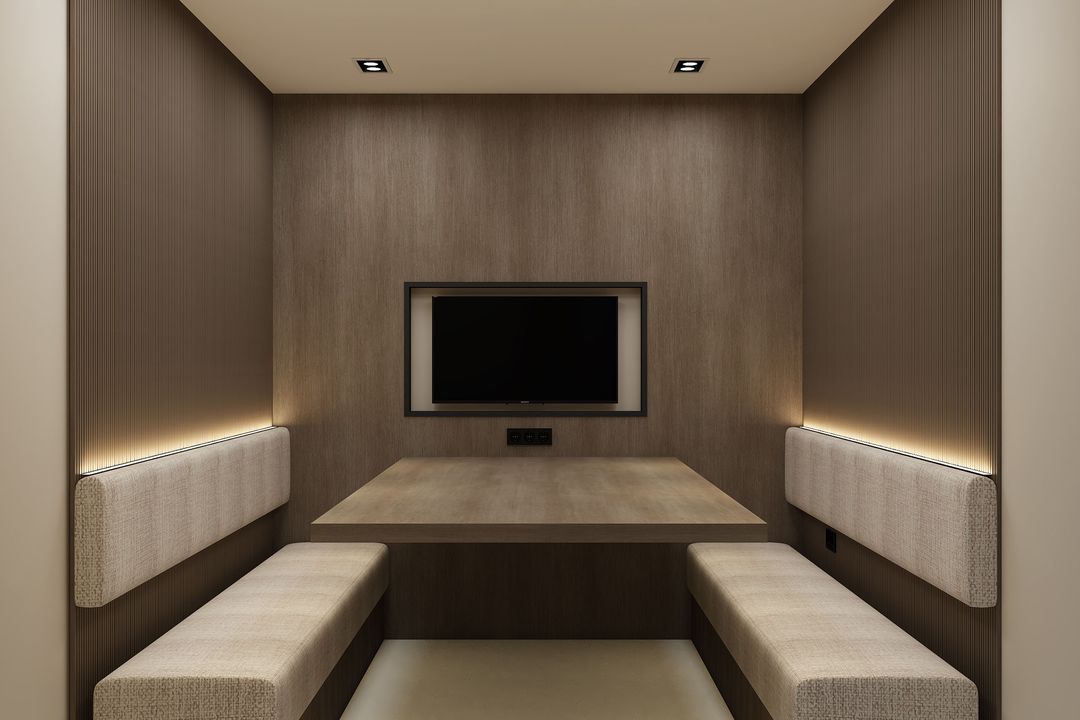
Montclair shows how multifamily design can support a more established, neighborhood-oriented residential market.
In communities with strong local identity, multifamily buildings need to feel elevated without feeling disconnected from their surroundings. The design needs to respect the expectations of residents who may be comparing the building against homes, townhomes, boutique rentals, and other premium residential options.
Important design considerations include:
HH Designers helps developers avoid the common mistake of treating multifamily interiors as an afterthought. In a market like Montclair, interior experience can significantly influence how premium, comfortable, and desirable the property feels.
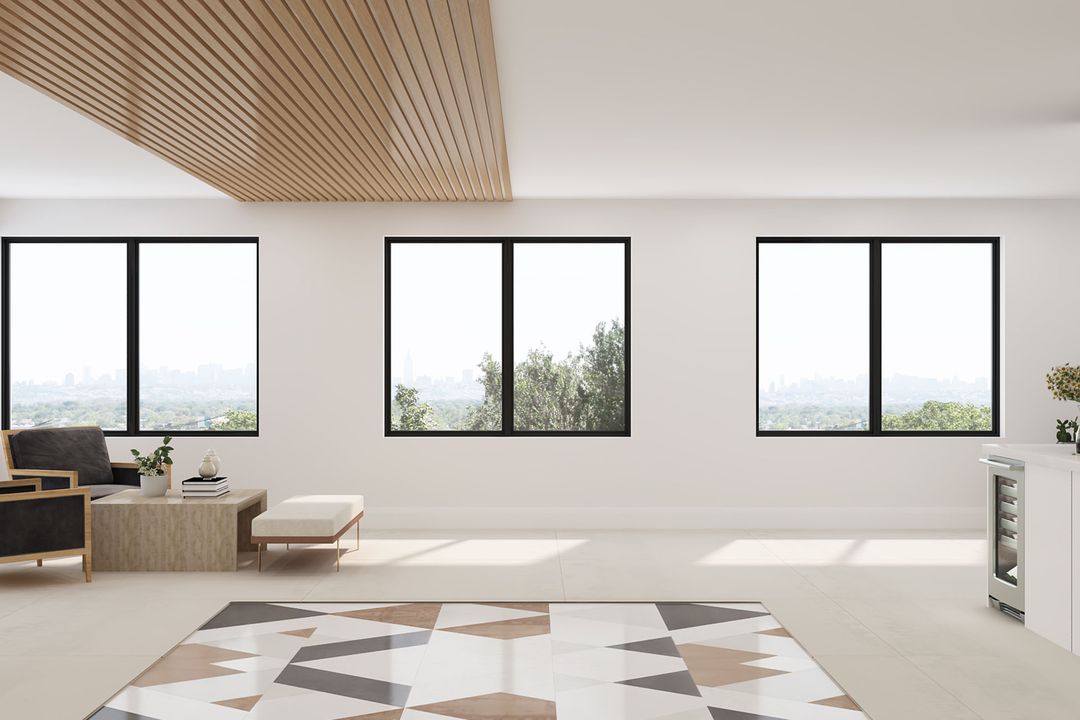
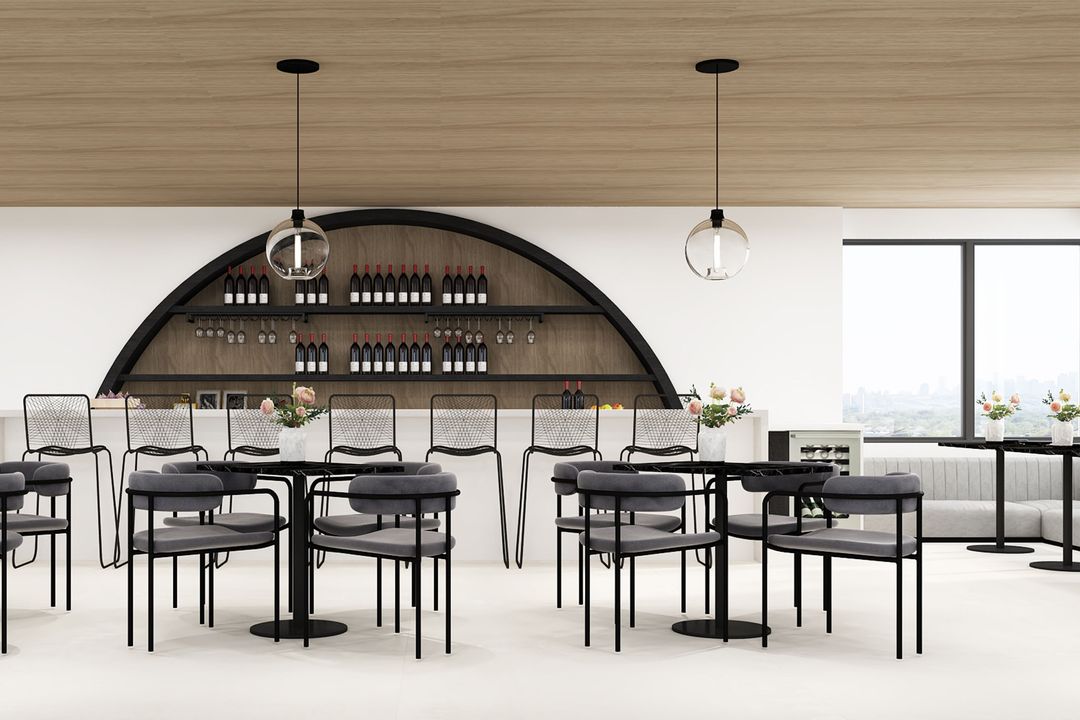
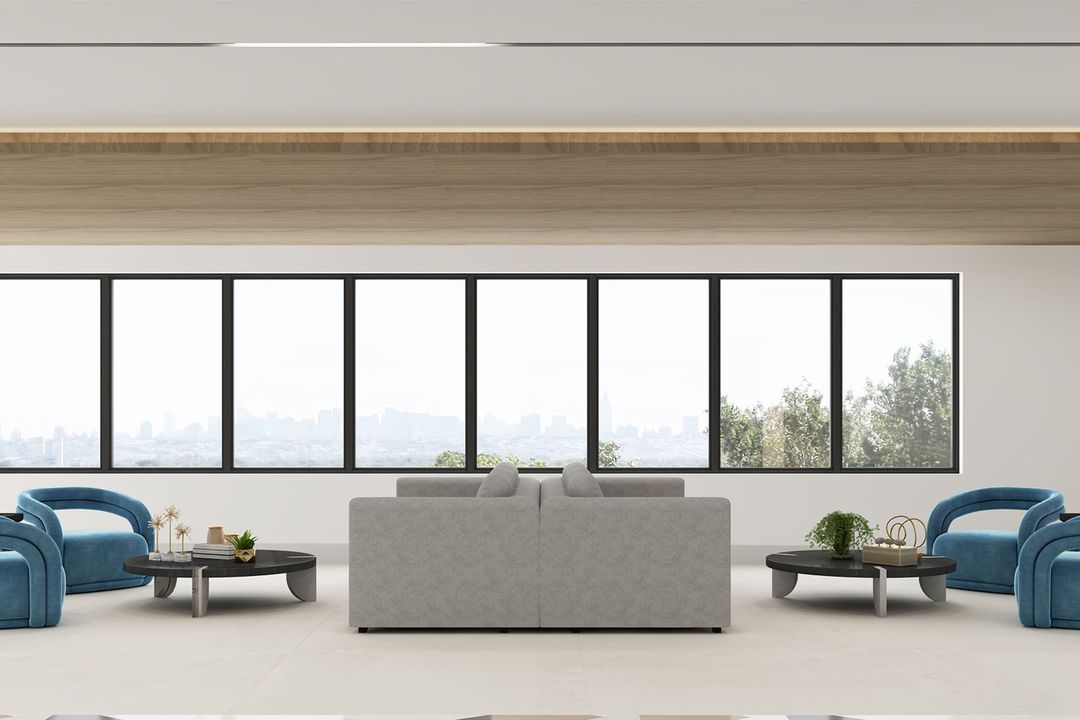
Citizens Cedar Grove reflects the importance of designing multifamily properties for real daily living.
A multifamily building has to make a strong first impression, but it also has to continue working every day after move-in. The lobby, corridors, amenity spaces, unit finishes, and common areas need to hold up visually and functionally over time.
For a property like Citizens Cedar Grove, design priorities may include:
HH Designers understands that multifamily design has to balance beauty and practicality. A space can look great in renderings, but if it does not support daily life and long-term operations, it will fall short.
The goal is to create a building that photographs beautifully, leases well, and continues to feel strong after years of use.


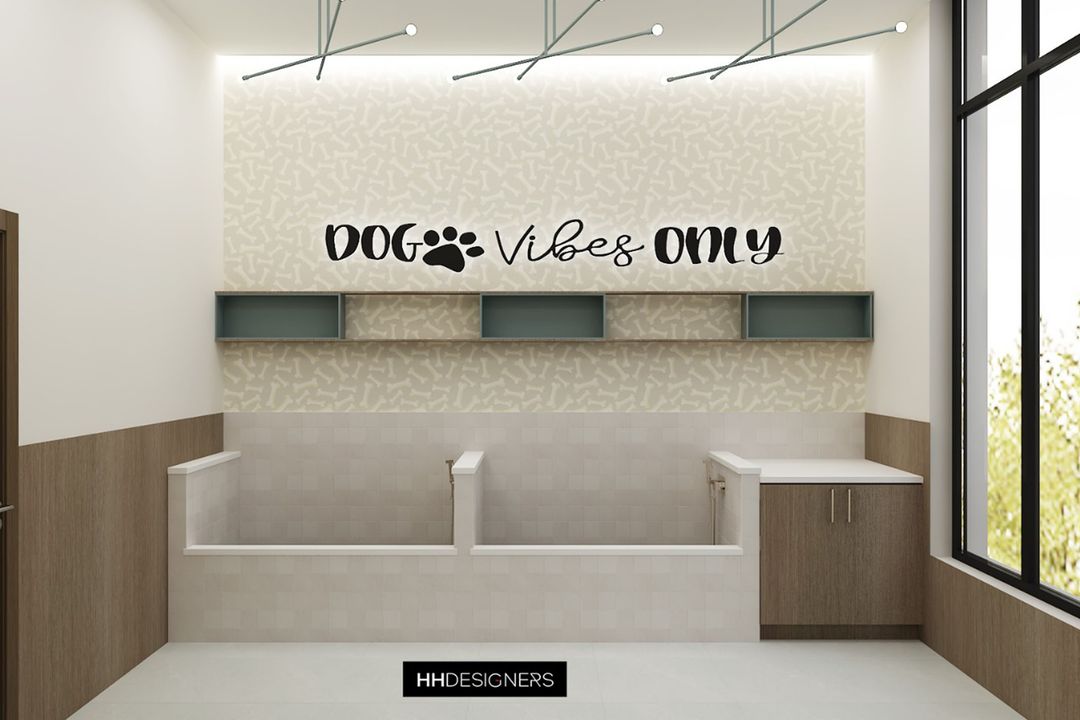
Northern Liberties is a strong example of how urban multifamily properties need a distinct design strategy.
In urban markets, residents often expect more than a basic apartment. They want lifestyle. They want convenience. They want design. They want a building that feels connected to the energy of the neighborhood.
For a project like Northern Liberties, the architecture and interior design need to consider:
HH Designers can help developers shape the interior experience so the building feels more than functional. It should feel like a place with a point of view.
In competitive urban rental markets, design differentiation can be a major advantage.
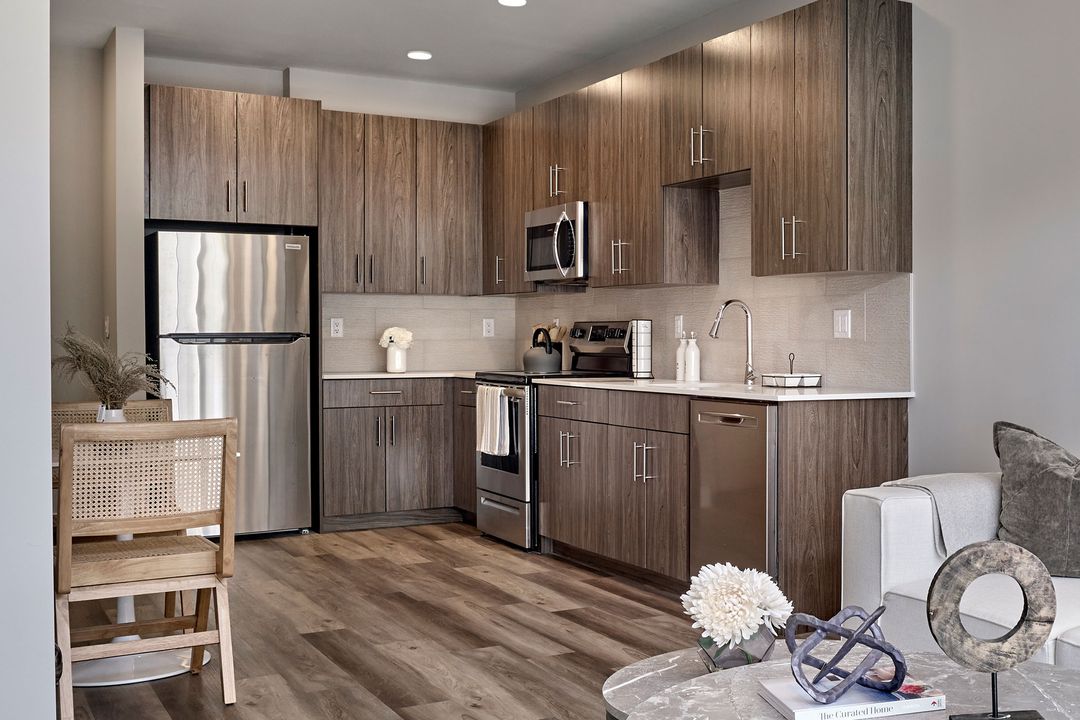
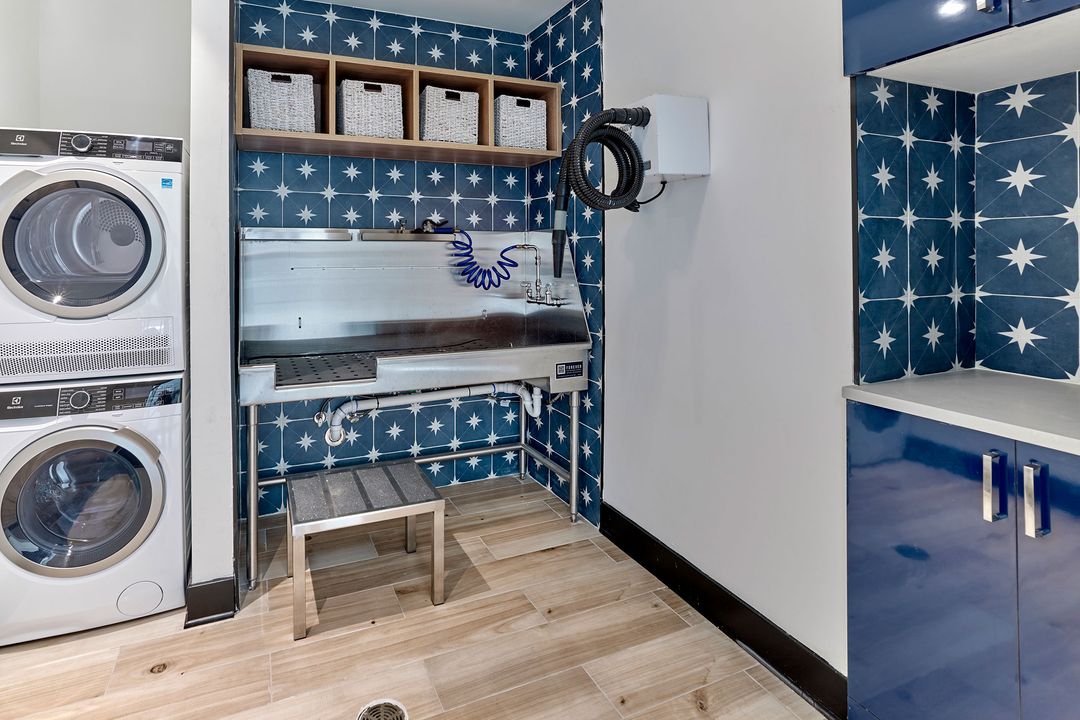
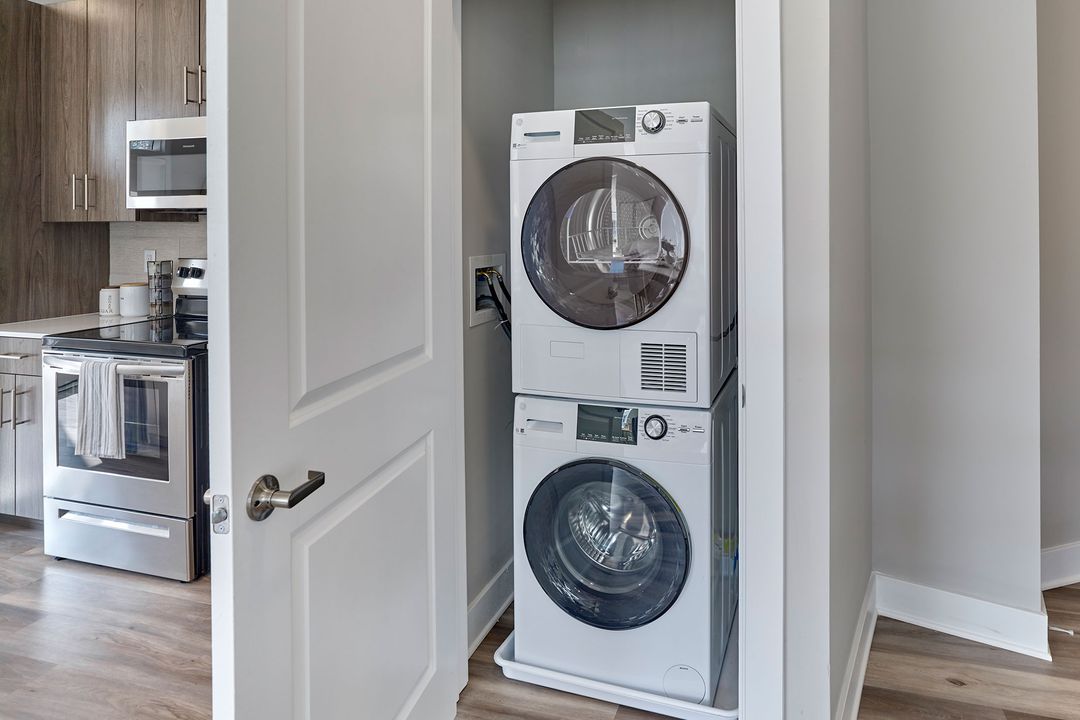
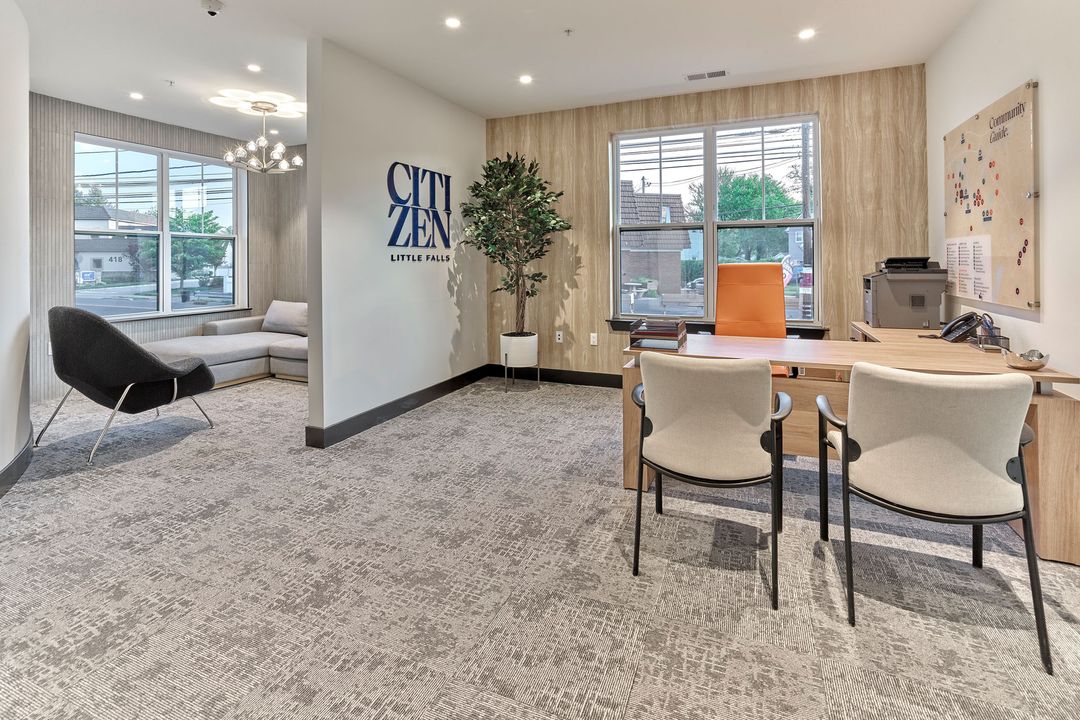
Citizen Little Falls highlights the need for multifamily properties to meet modern resident expectations.
Today’s residents are often looking for spaces that feel clean, polished, convenient, and thoughtfully designed. They want the comfort of home with the polish of hospitality.
A property like Citizen Little Falls may need to solve for:
HH Designers helps shape these decisions early, working alongside architects and developers to make sure the final building feels cohesive from the inside out.
This kind of coordination is especially important in multifamily design because many small decisions add up to the overall resident experience.
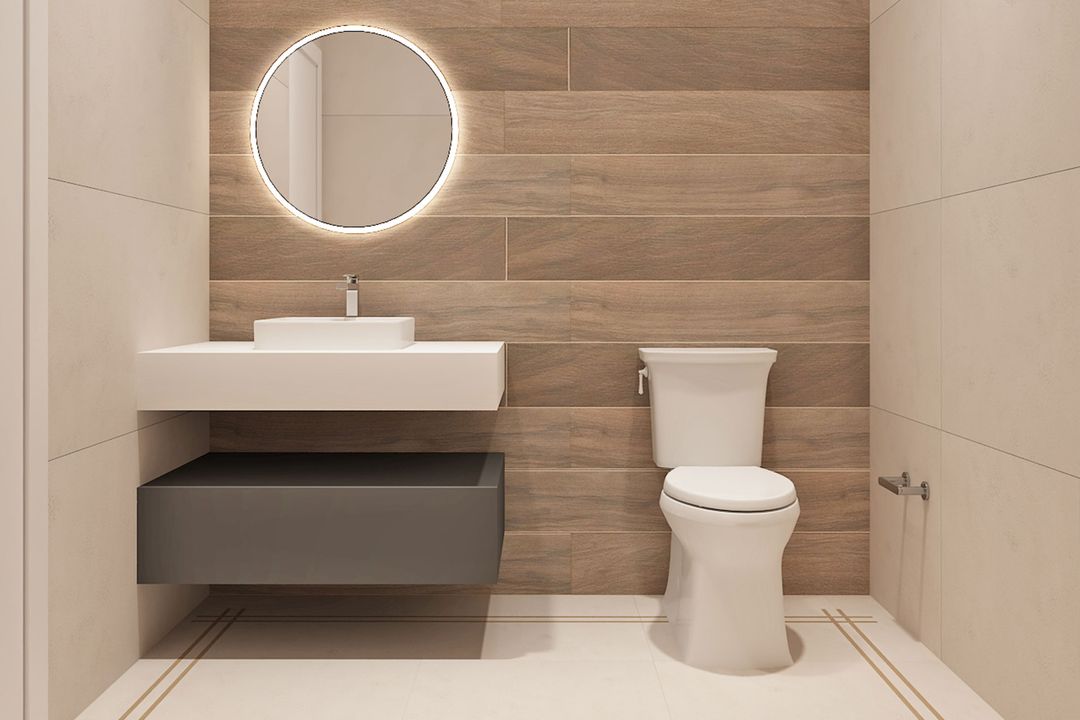
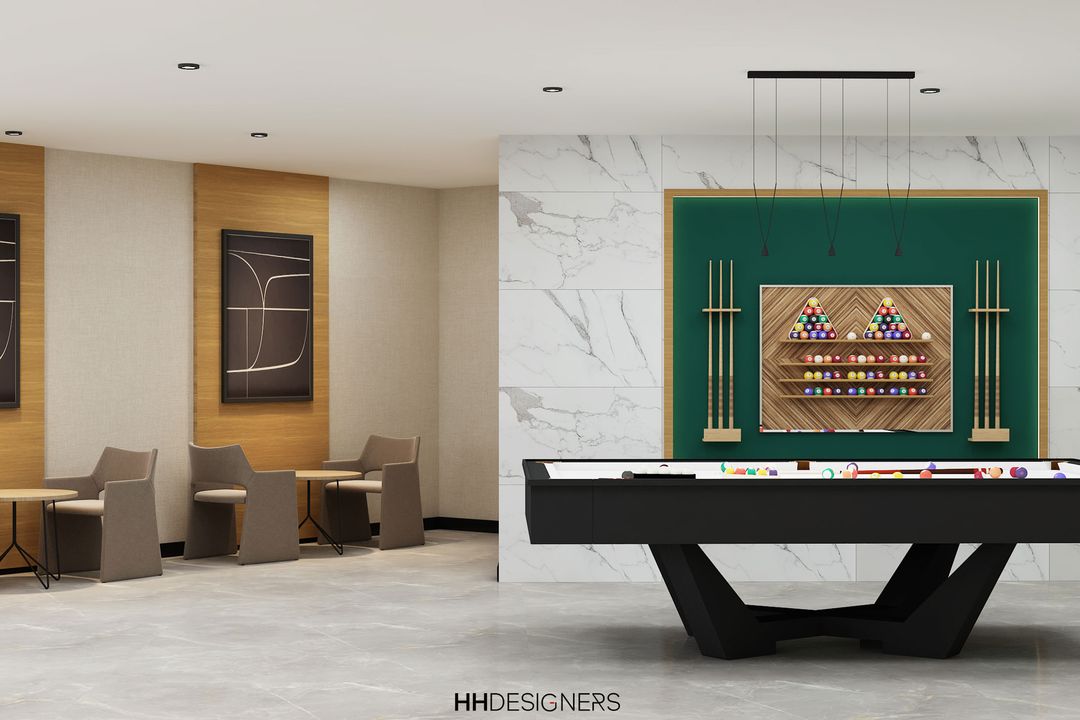
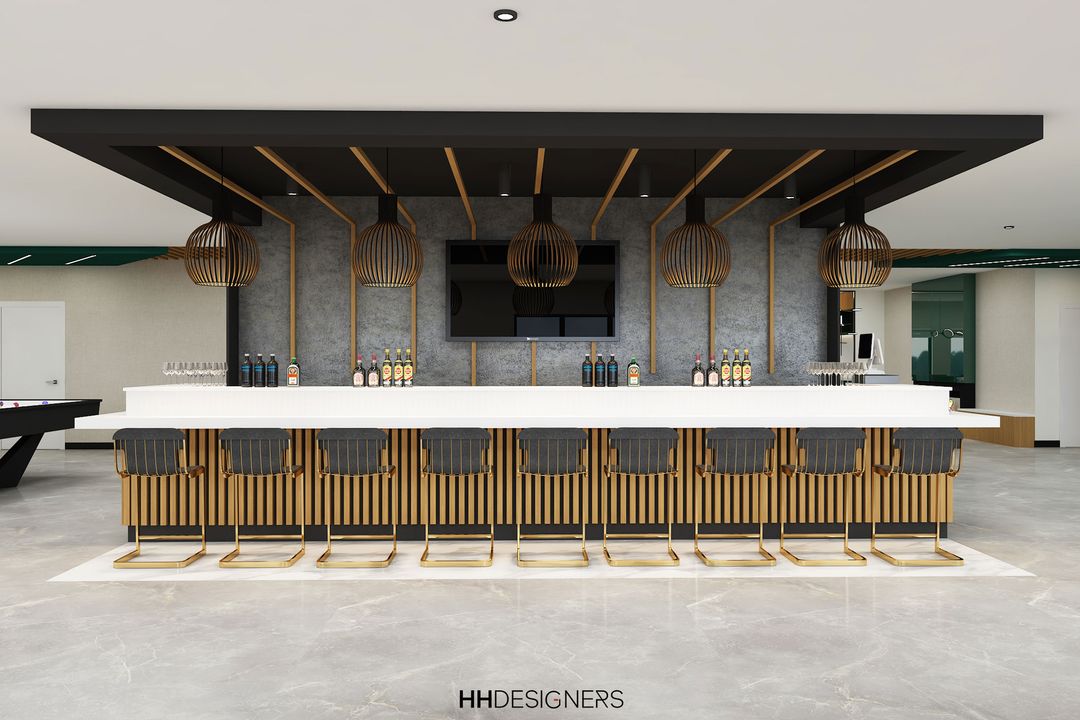
Kenilworth shows how smaller or more boutique multifamily projects can still create a strong architectural and interior design statement.
Not every multifamily building needs to feel massive or amenity-heavy. Some properties need to feel intimate, refined, and residential.
For a boutique multifamily project, important considerations include:
HH Designers can help owners and architects make boutique buildings feel premium through proportion, materiality, lighting, and detail.
In smaller multifamily projects, design precision matters even more because there is less room for wasted space or unclear decisions.
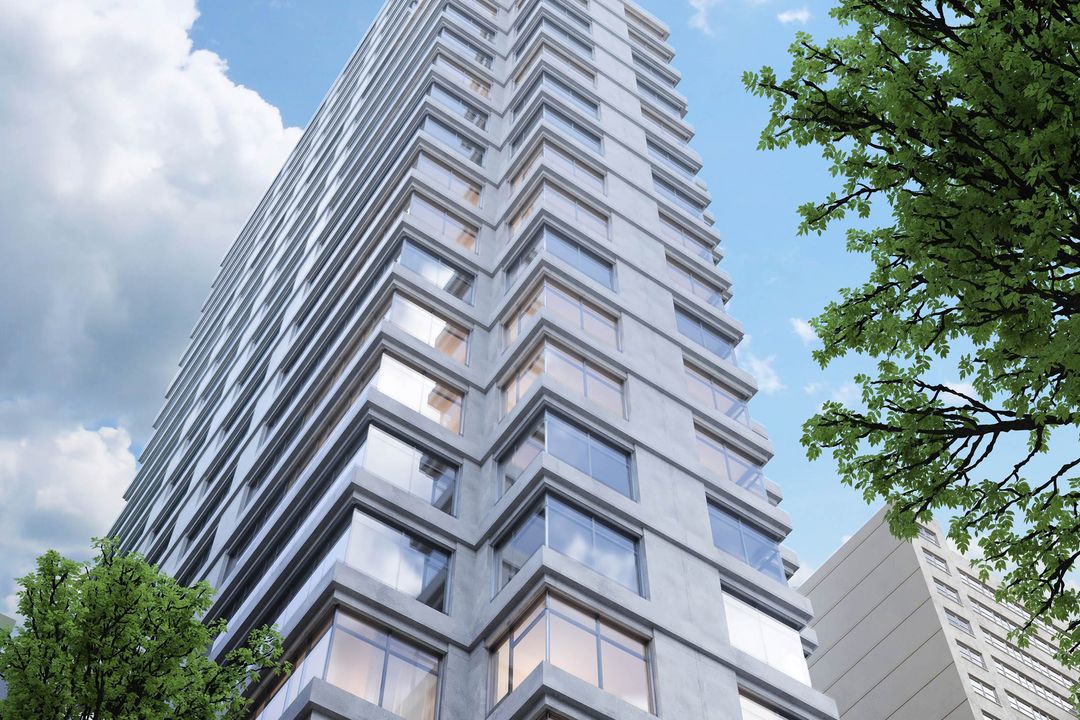
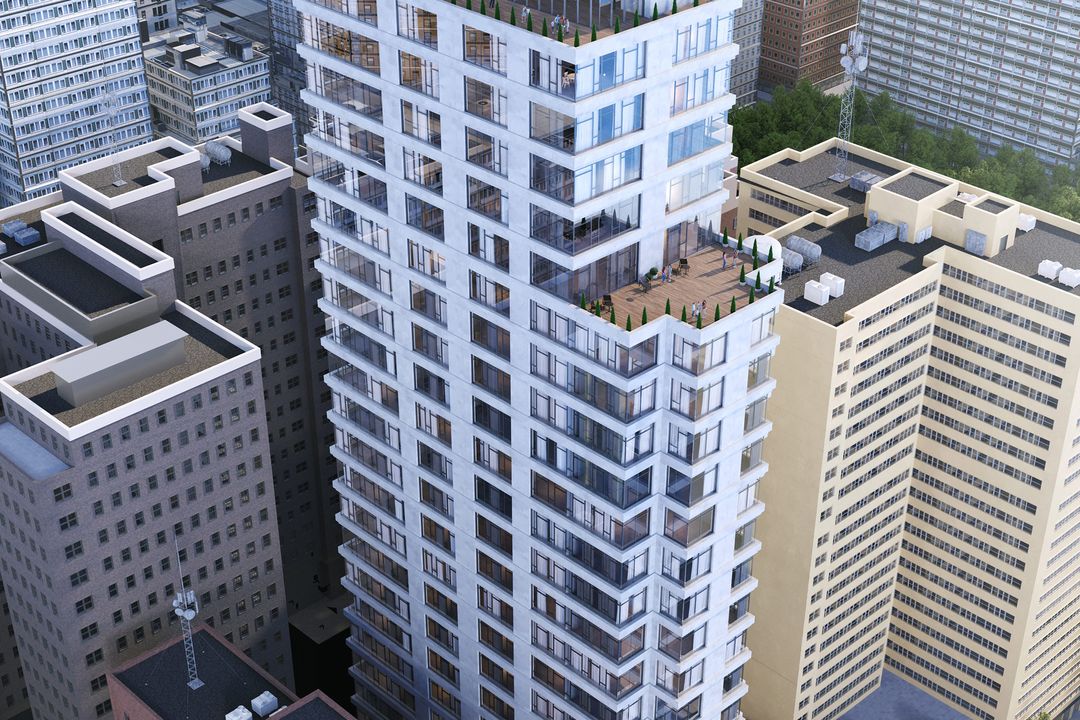
Walnut Tower reflects a different multifamily challenge: designing for a taller or more vertical residential experience.
In tower-style multifamily properties, the resident journey is shaped by sequence. People move from exterior to lobby, from lobby to elevator, from elevator to corridor, and from corridor into the unit. Each step needs to feel connected.
Key design considerations include:
HH Designers can help make vertical multifamily buildings feel cohesive rather than fragmented.
In taller properties, repetition can become a weakness if not handled carefully. The design needs enough consistency to feel unified and enough detail to feel intentional.
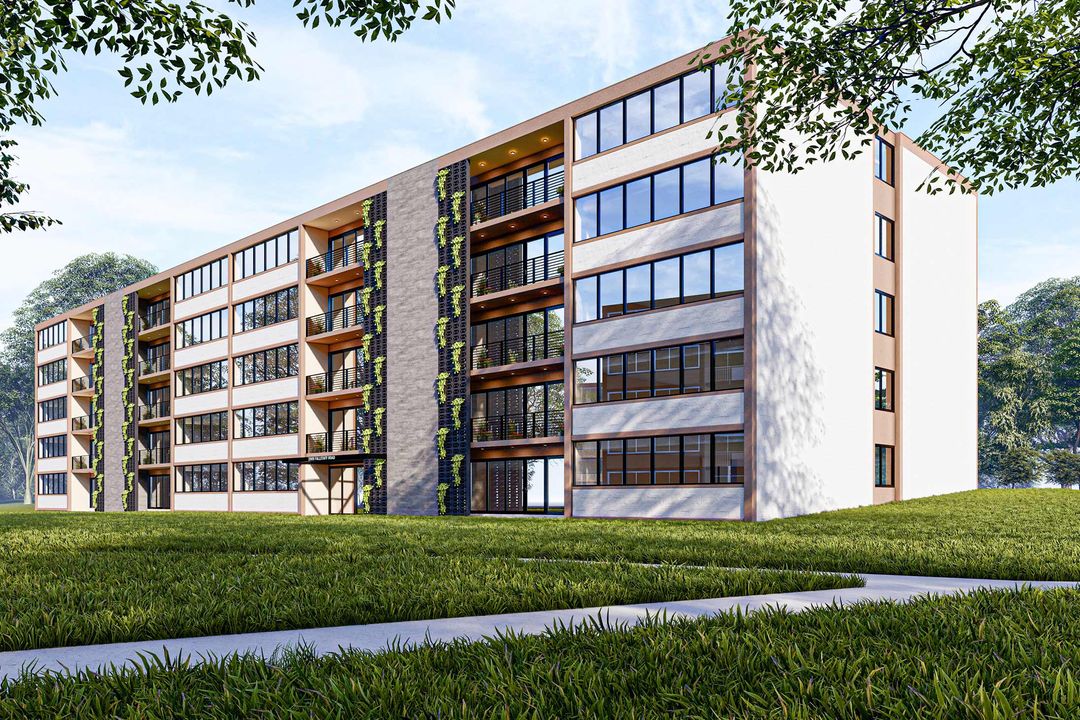
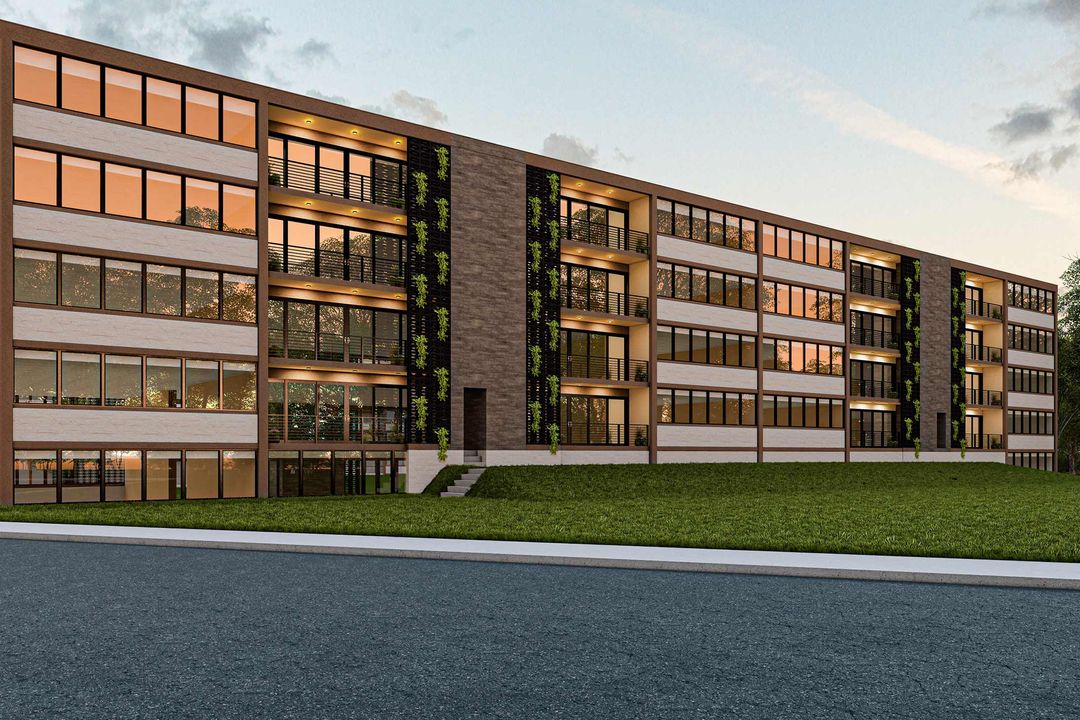
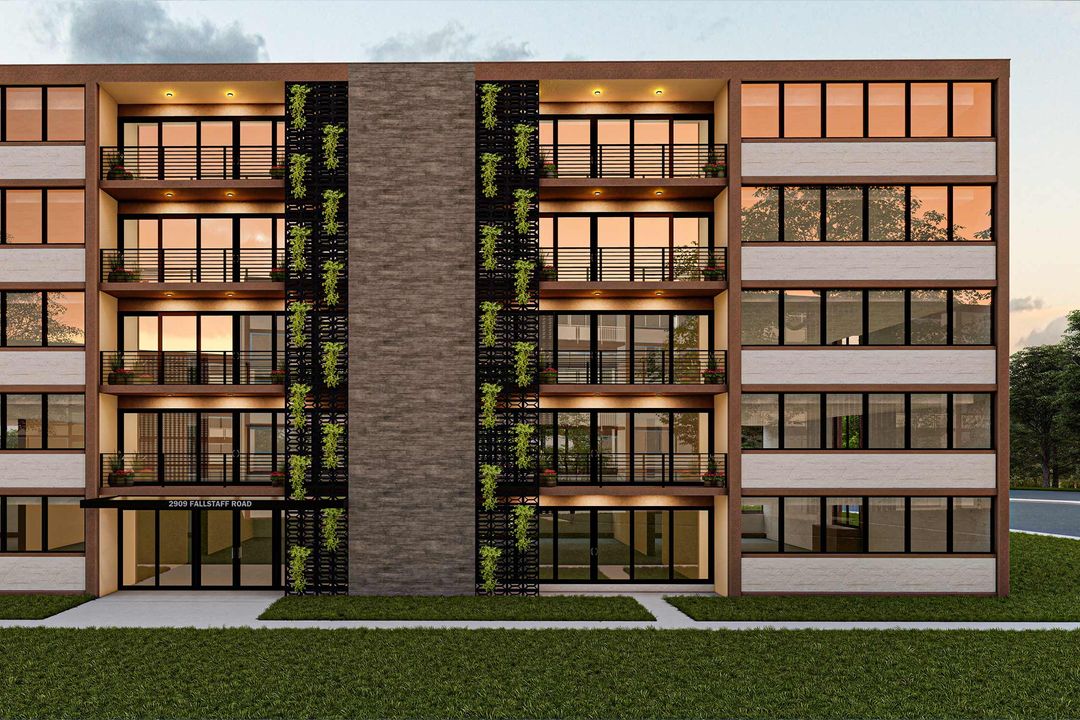
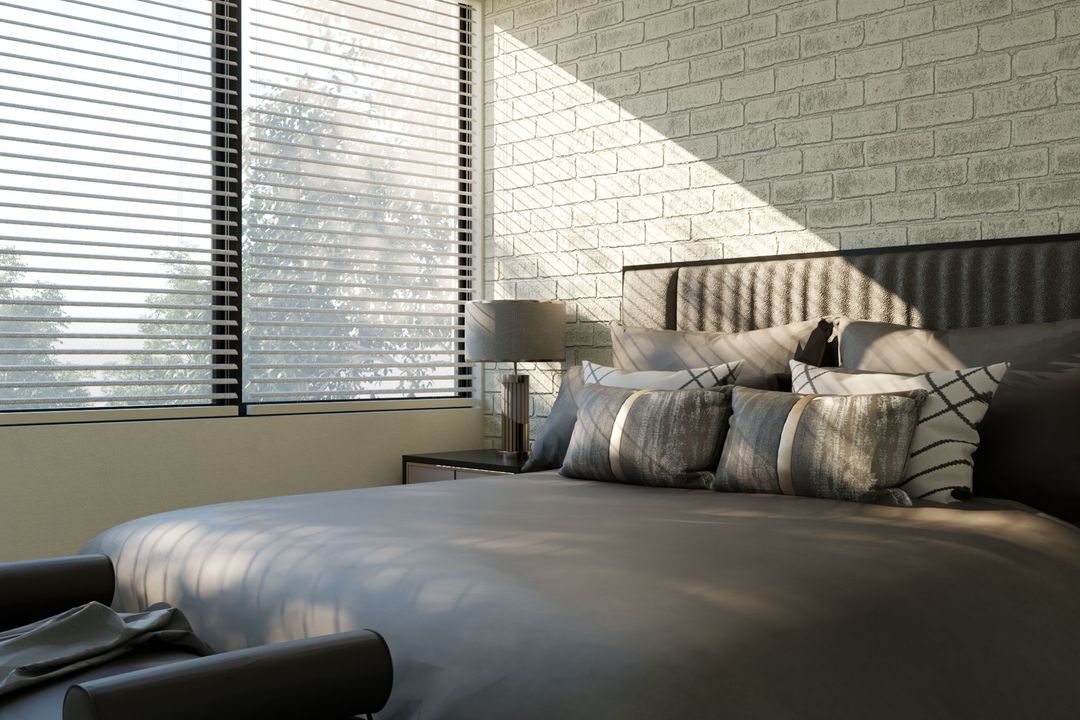
Flora Park demonstrates one of the central challenges in multifamily design: balancing scale with warmth.
Many apartment buildings struggle because they feel too large, too impersonal, or too standardized. Great multifamily design softens that experience by creating human-scaled moments throughout the property.
For a project like Flora Park, HH Designers can help think through:
The best multifamily buildings do not feel like mass housing. They feel like communities.
That is the difference design can make.
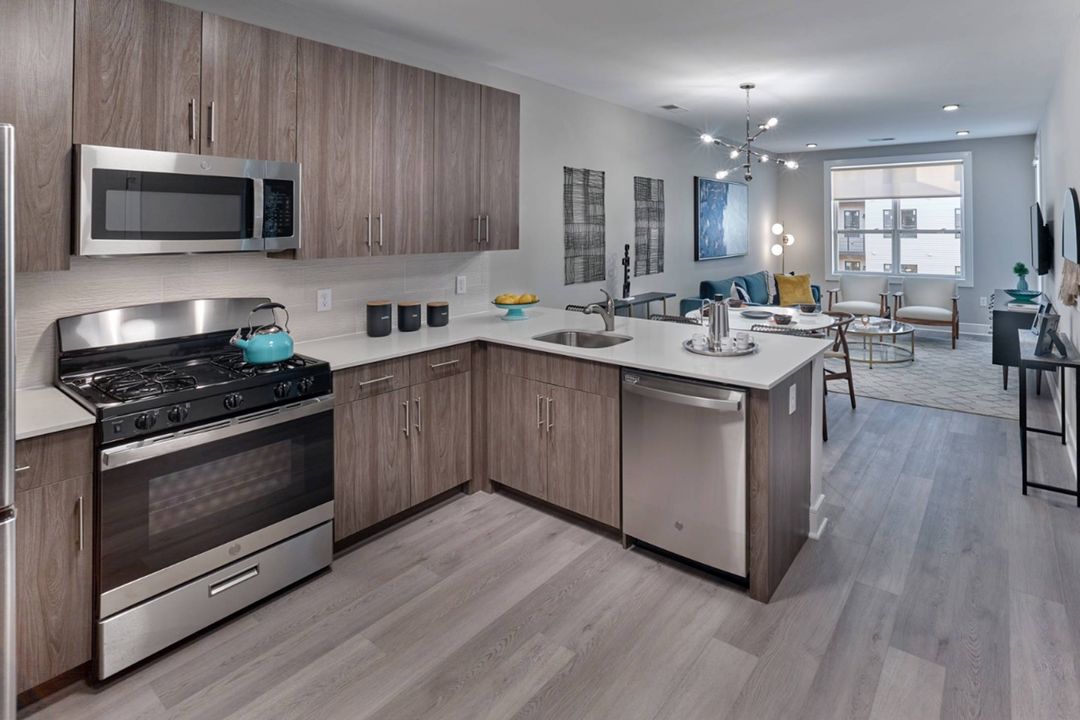
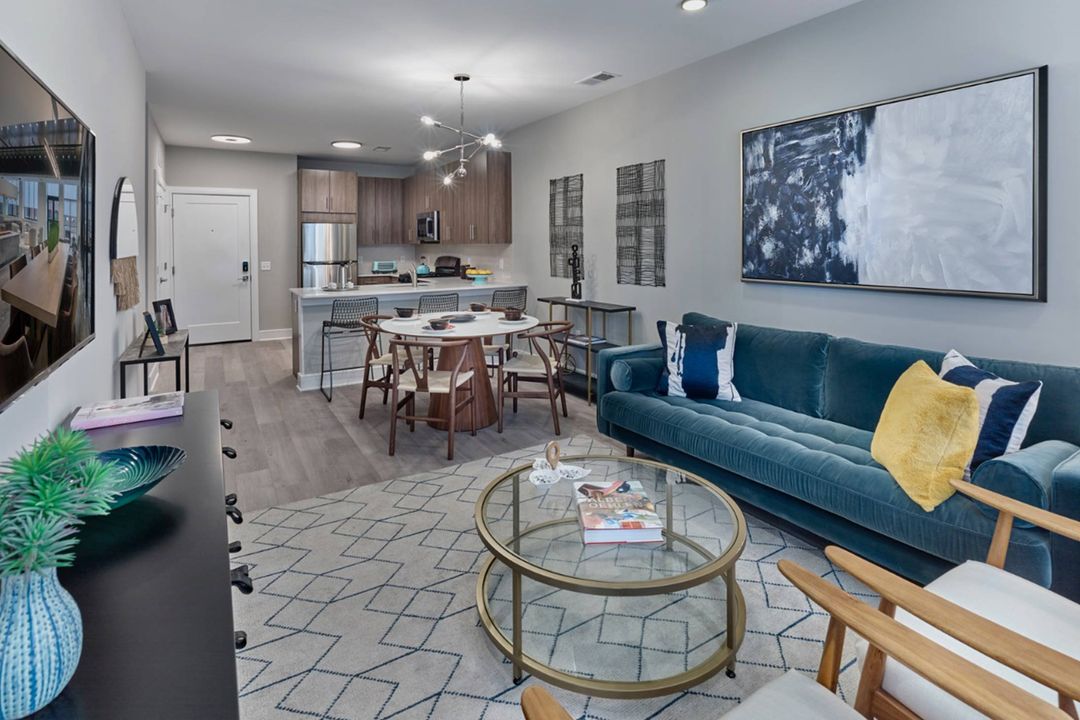
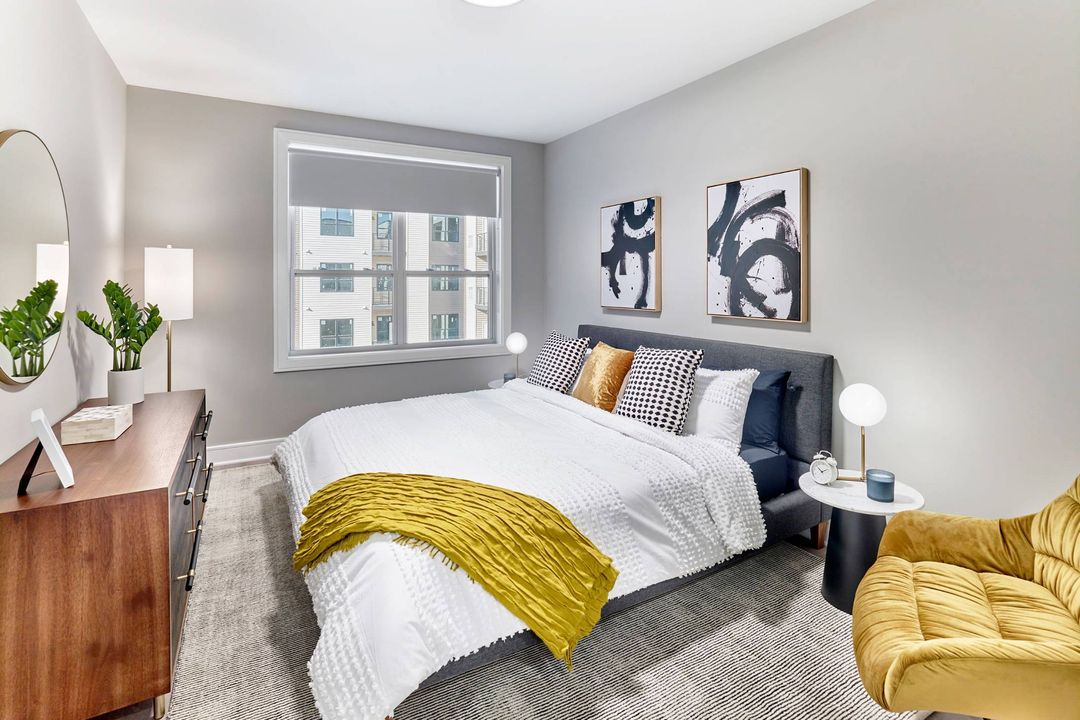
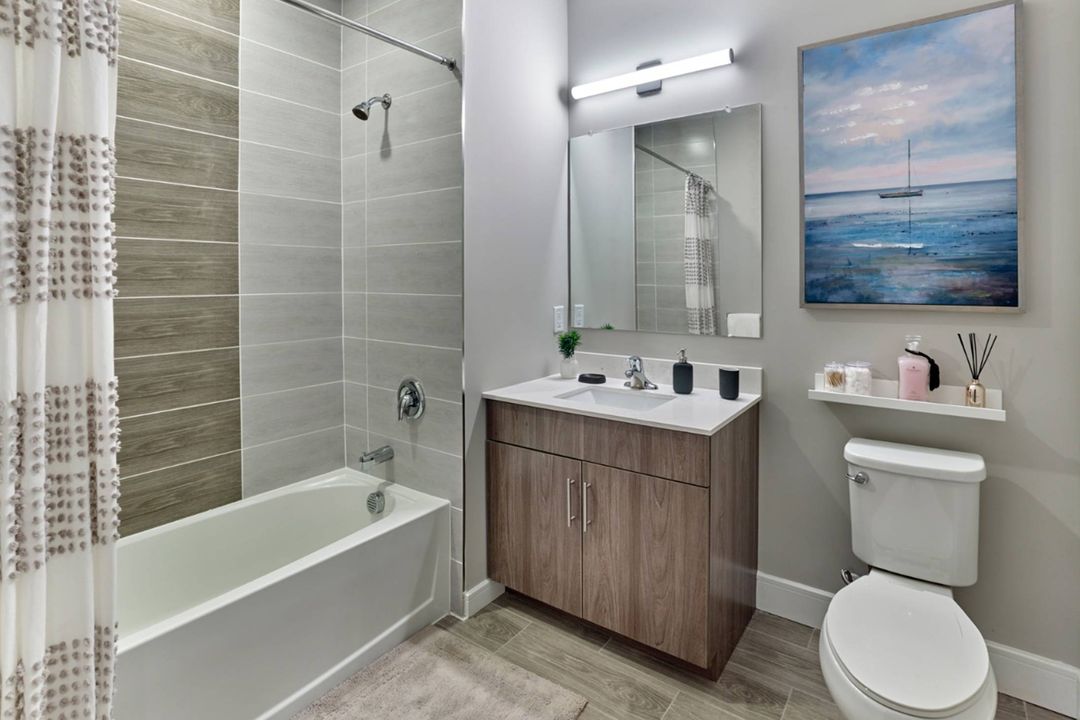
Citizen Linden is another example of how multifamily design can influence both resident experience and long-term property value.
For owners and developers, the interiors are not just visual. They are part of the asset strategy.
A well-designed multifamily property can support:
For a project like Citizen Linden, the design needs to create value across the full property experience.
HH Designers helps developers think through the building from the perspective of the resident, the leasing team, the operator, and the owner. That kind of holistic thinking is what separates average apartment buildings from properties that feel desirable and durable.
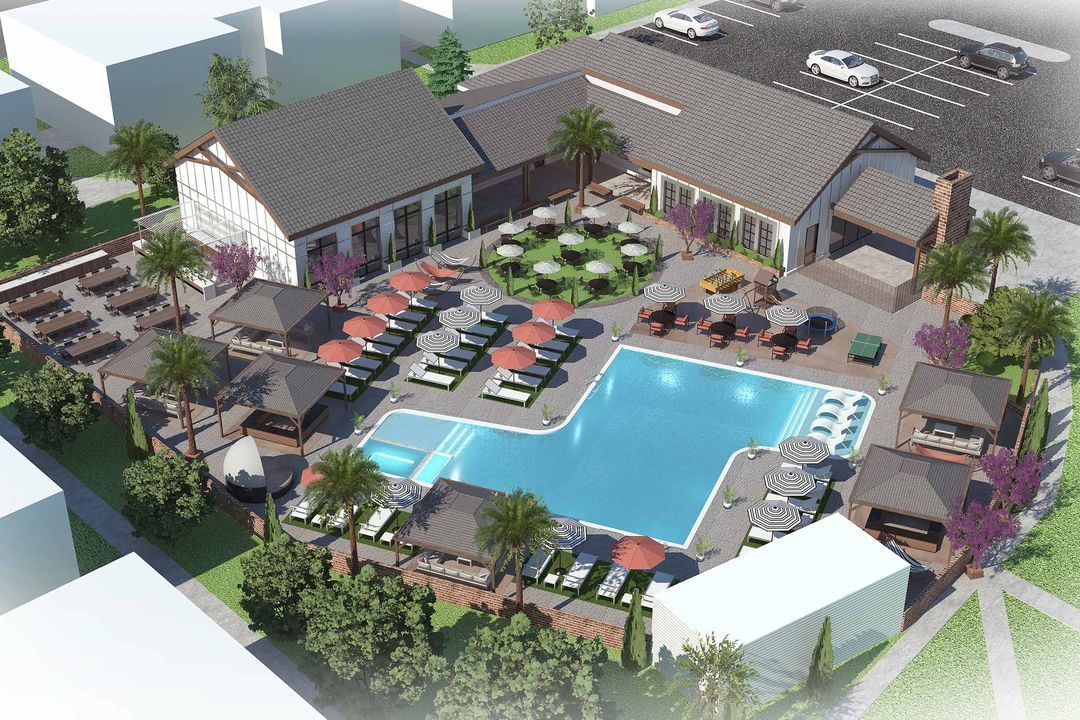
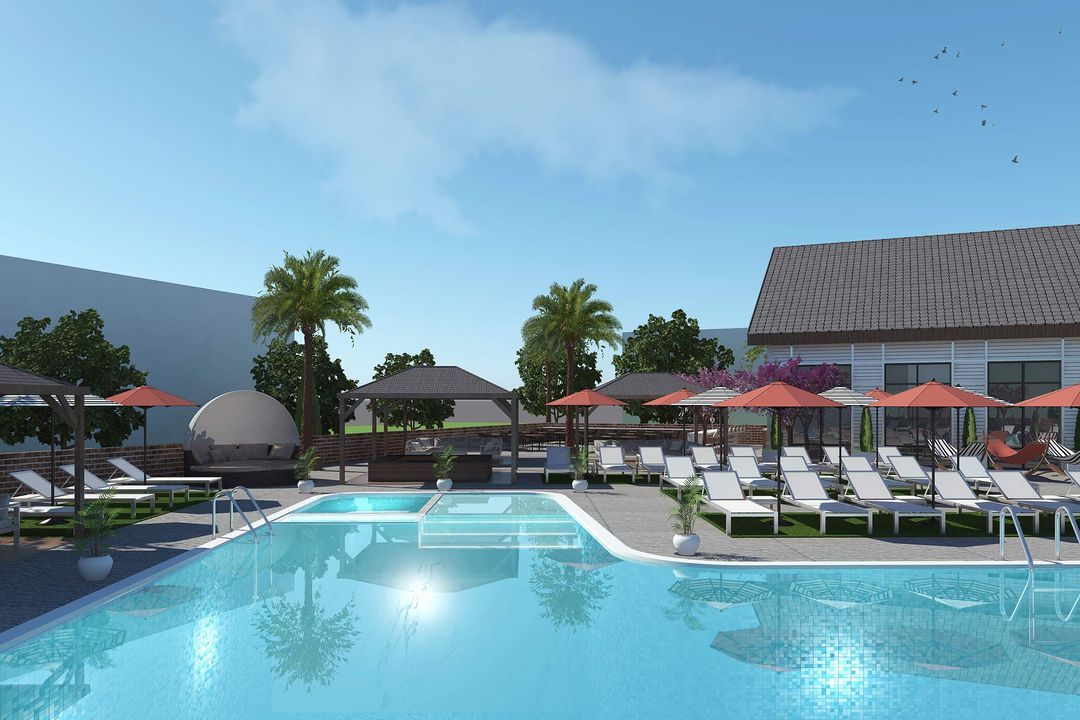
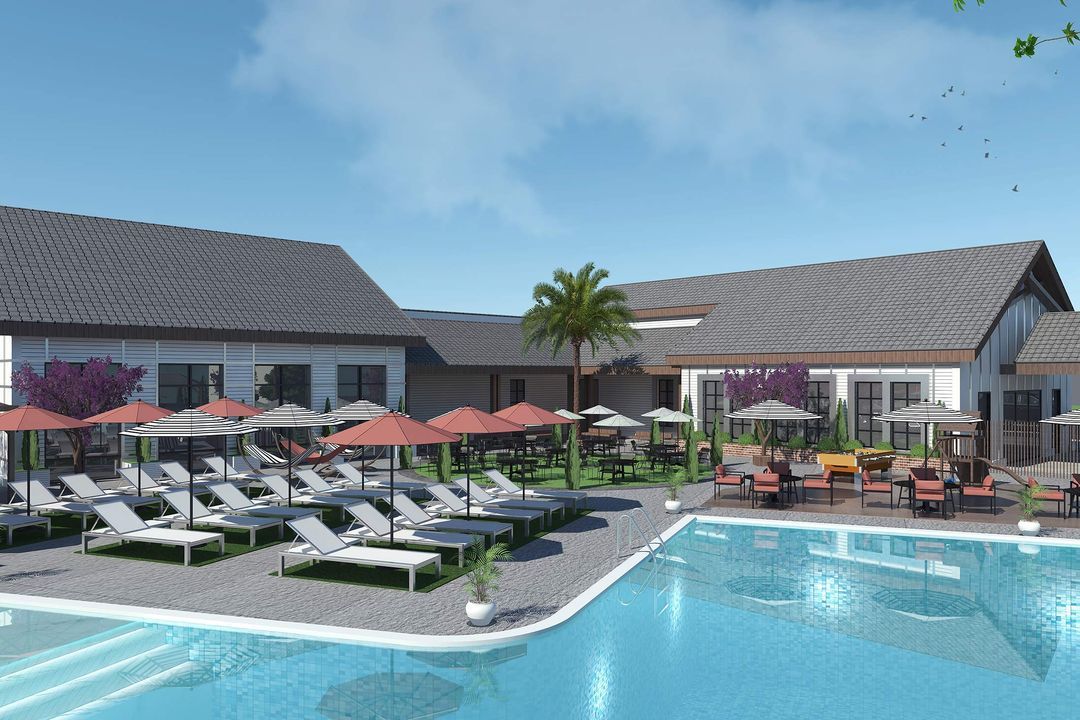
Oak Creek highlights the importance of livability in multifamily architecture.
A beautiful building still has to work for daily life. Residents need places to arrive, gather, relax, move, store, work, and live comfortably.
For a multifamily property like Oak Creek, the design may need to support:
HH Designers understands that livability is not a vague concept. It is built through specific design choices.
Where does the resident put packages? How does the lobby feel at night? Are corridors easy to navigate? Do common areas feel usable? Do unit finishes feel quality enough to support the rent or sale price?
These details shape how residents experience the property every day.
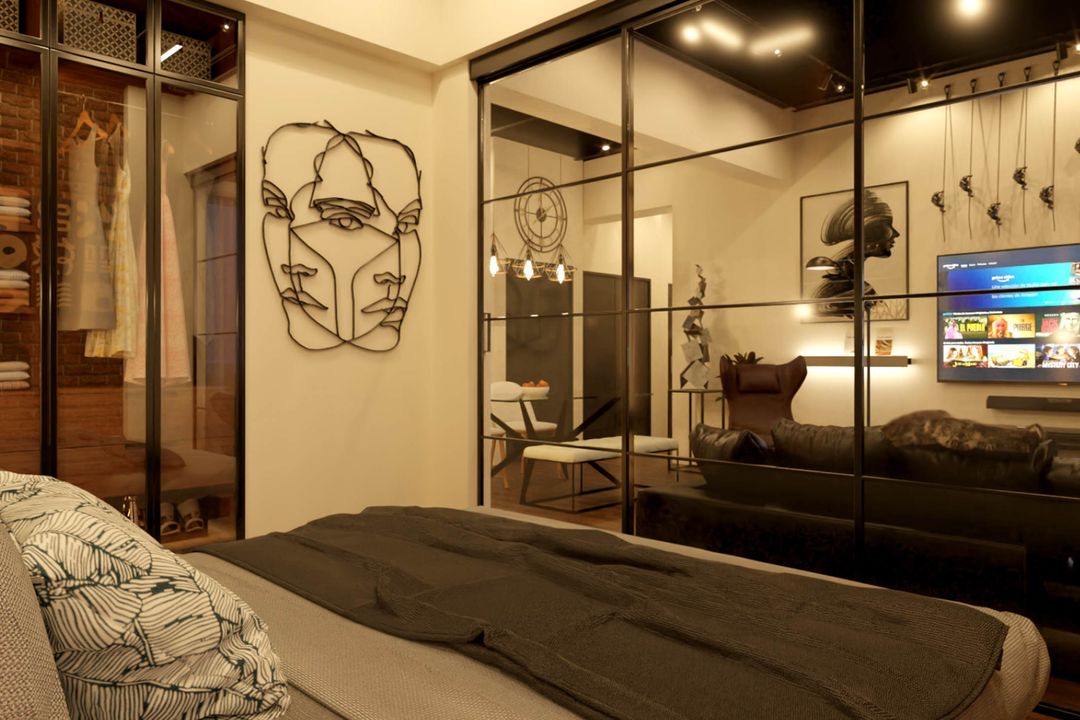
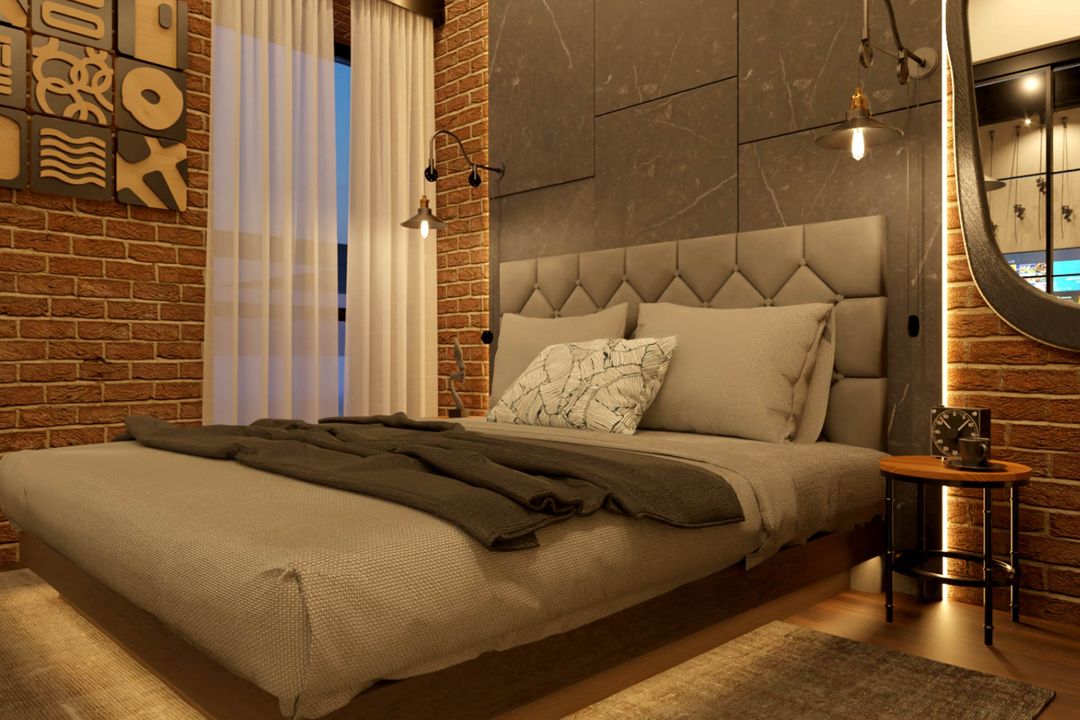
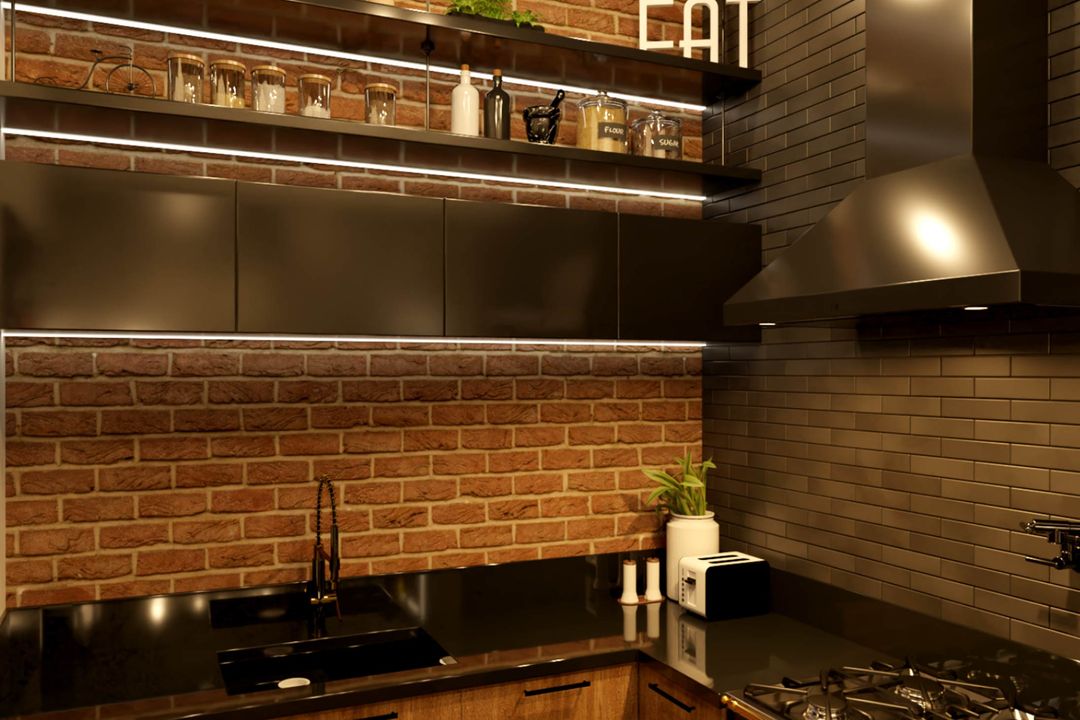
17 Mercer shows how a multifamily project can benefit from a clearer design identity.
In crowded residential markets, many buildings look and feel the same. Generic lobbies, standard corridors, basic finishes, and forgettable amenity spaces make it harder for a property to stand out.
A project like 17 Mercer benefits from design thinking around:
HH Designers can help define that identity before the building becomes locked into choices that are hard to change later.
This is especially important for developers who want a property to feel more elevated than competing options.
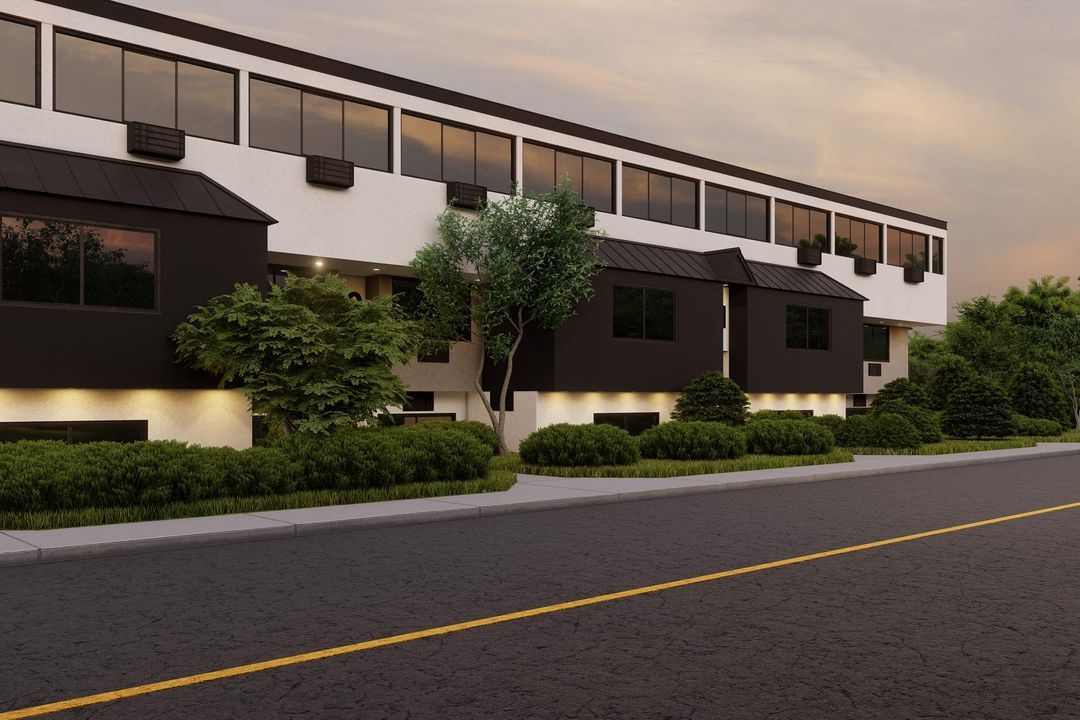
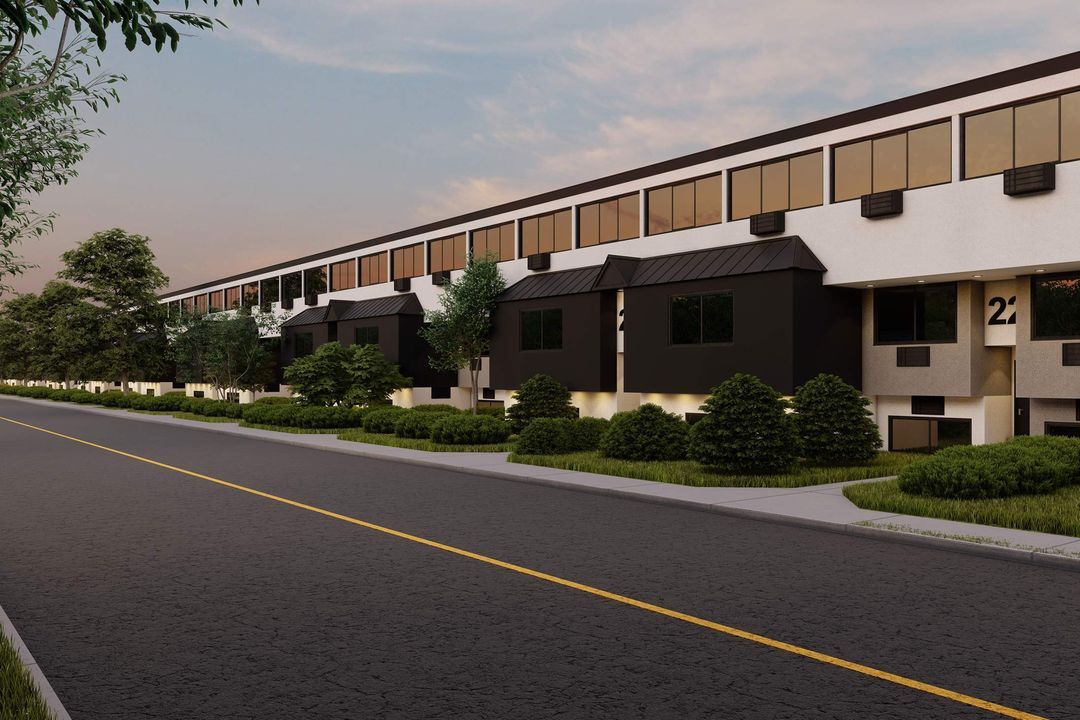
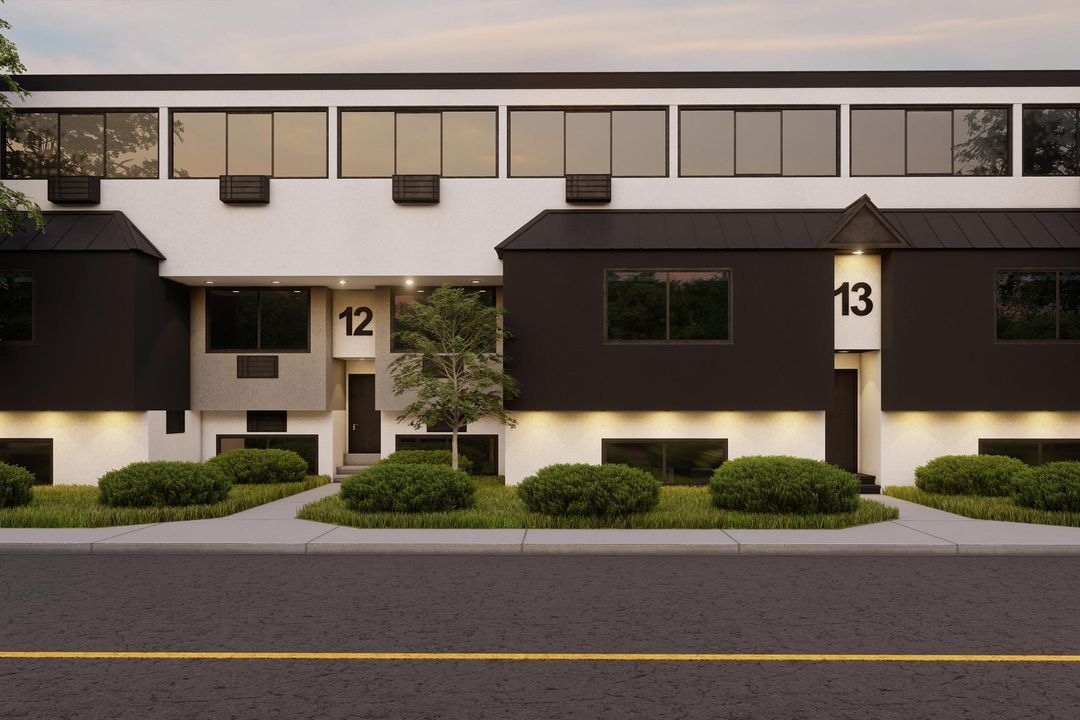
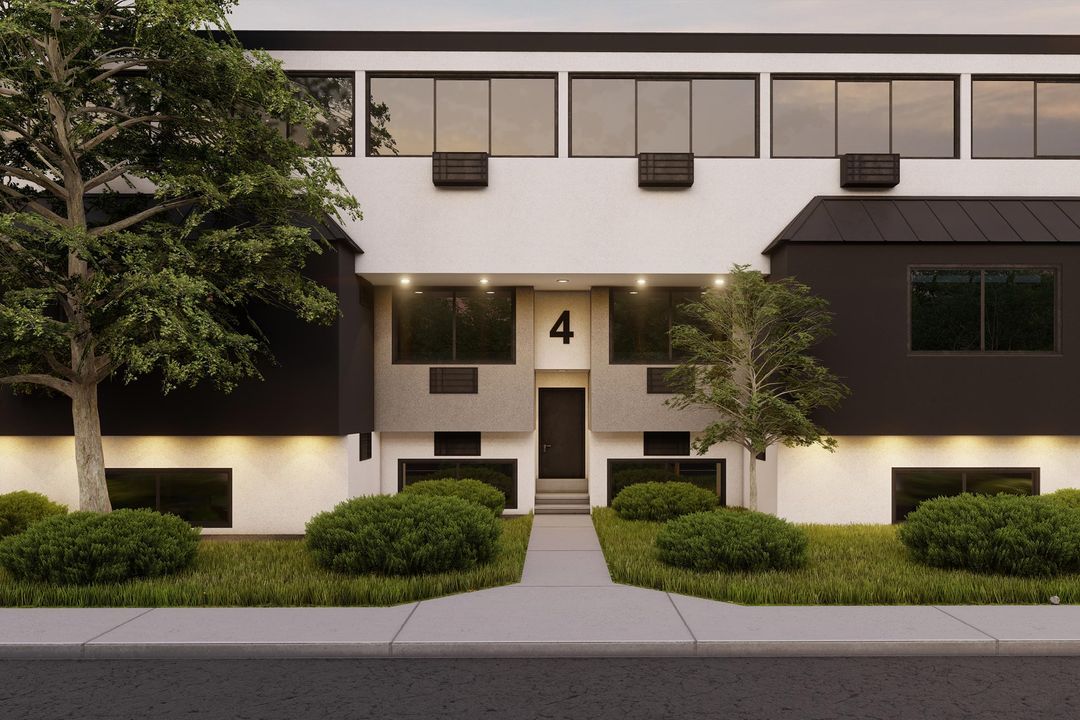
White Pond is a strong opportunity to think about multifamily design through the lens of calm and continuity.
Not every building needs to feel dramatic. Some properties succeed by feeling serene, warm, organized, and easy to live in.
For a project like White Pond, design considerations may include:
HH Designers can help create multifamily environments that feel polished without feeling forced.
For many residents, the most desirable building is not the loudest one. It is the one that feels effortless to live in.
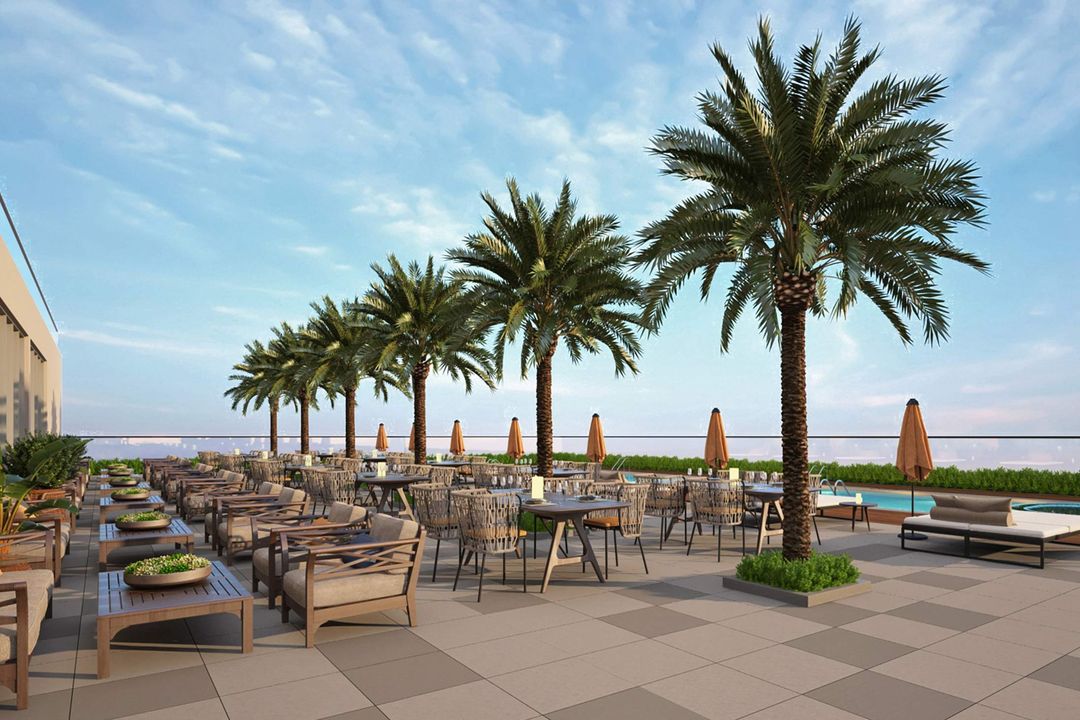
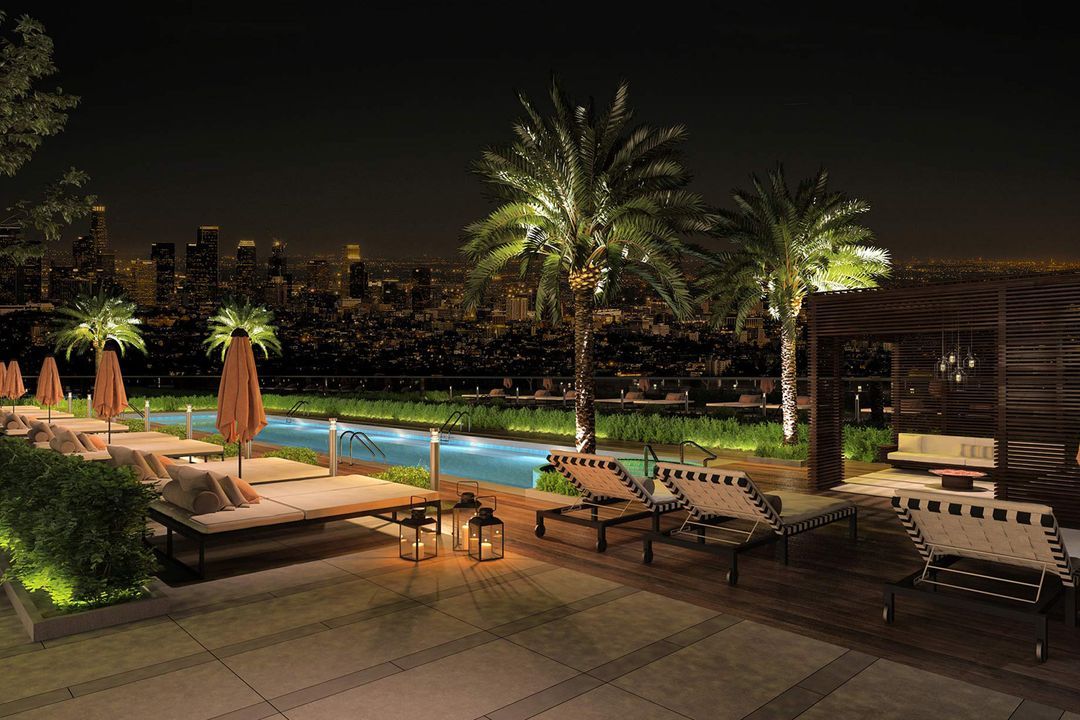
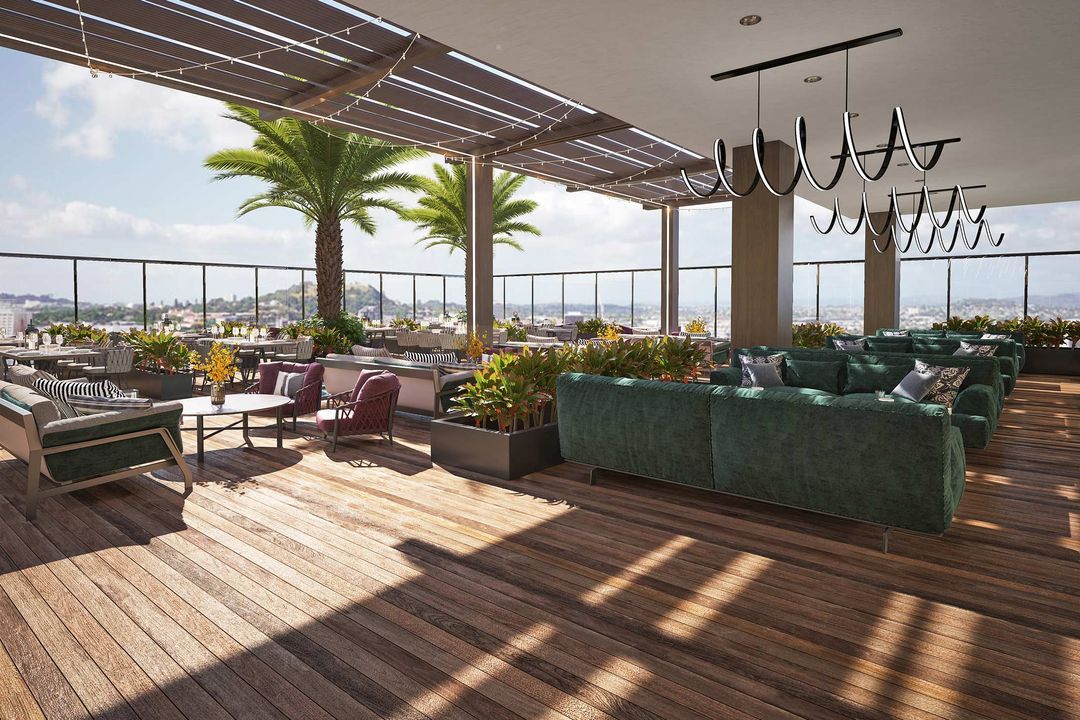
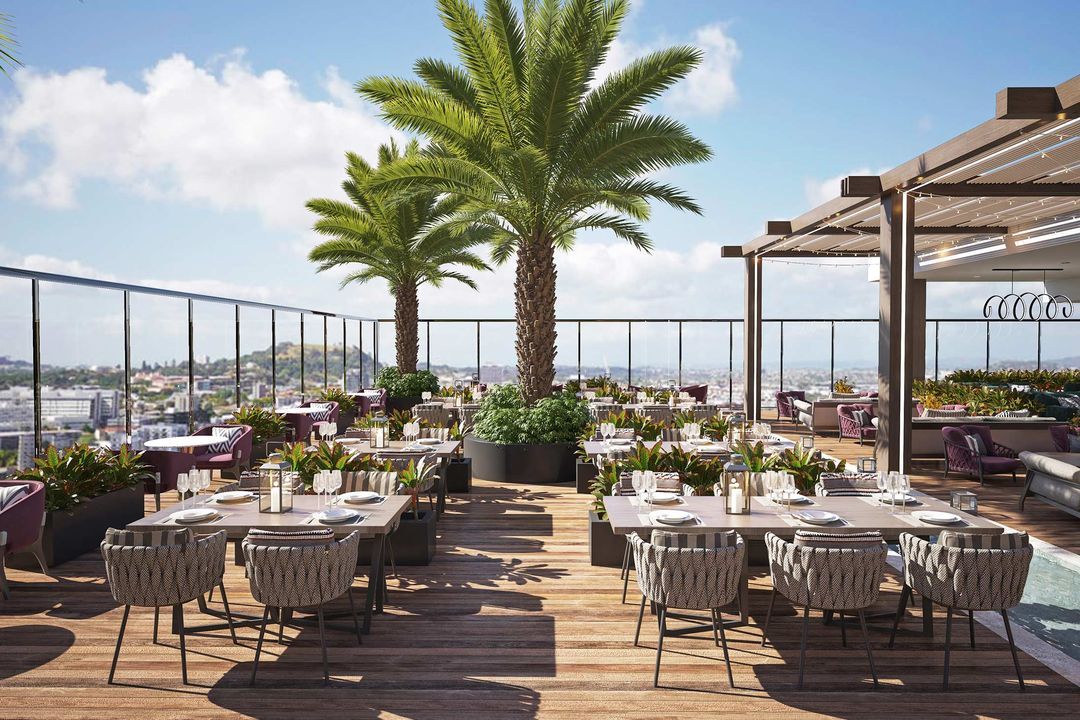
Rooftop points to one of the most important trends in multifamily design: the growing value of outdoor and amenity spaces.
Rooftops, terraces, lounges, courtyards, and shared outdoor areas can be major leasing drivers when they are designed well.
But they need to be more than leftover space.
A strong rooftop or amenity design should consider:
HH Designers can help developers create amenity spaces that feel purposeful, not performative.
A rooftop should not just check a box. It should become one of the reasons people choose the building.
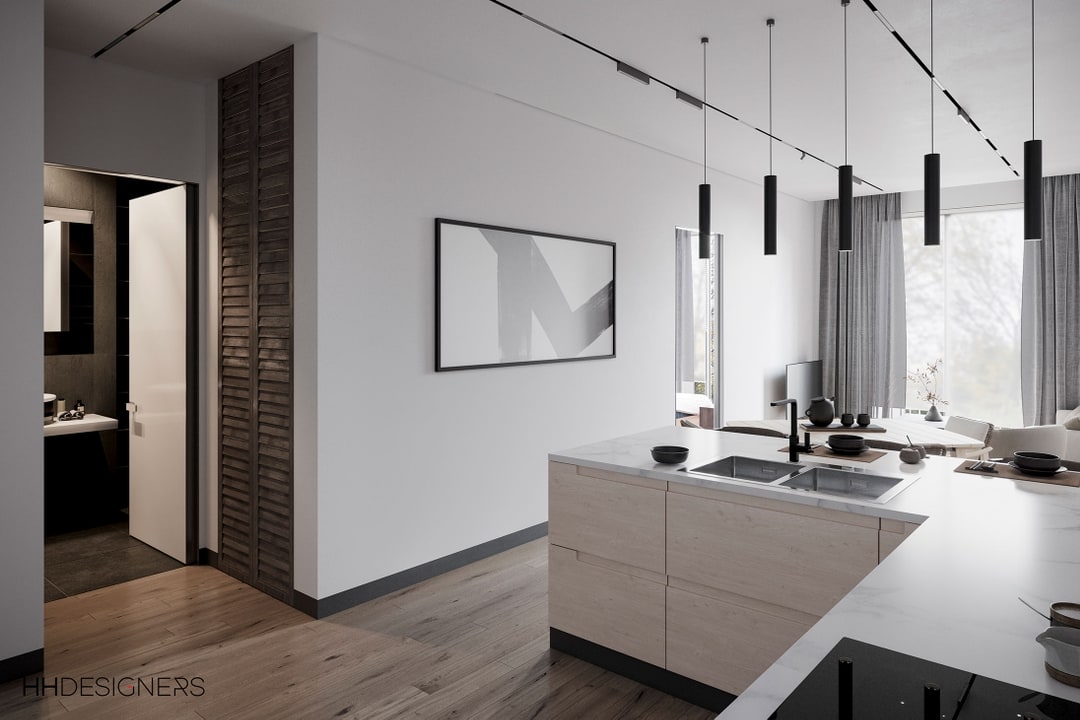
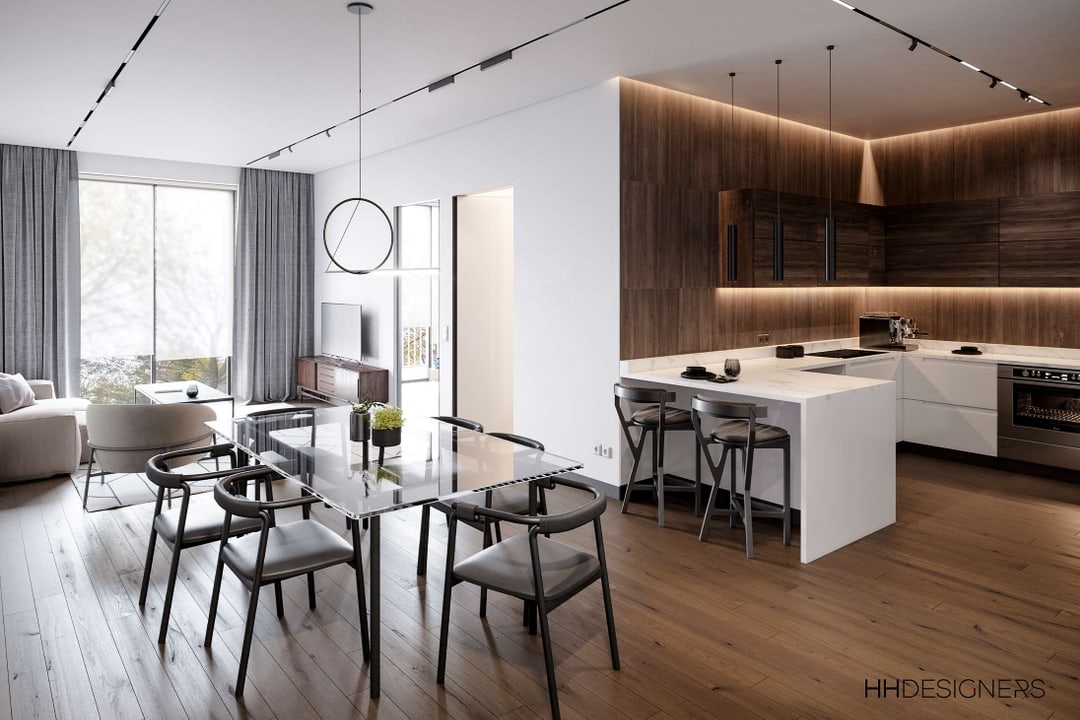
124 Central Ave offers an opportunity to think about how hospitality-inspired design can influence residential properties.
Some multifamily buildings benefit from borrowing ideas from boutique hotels, hospitality spaces, and lifestyle environments. This does not mean making the building feel commercial. It means making shared spaces feel more elevated, memorable, and service-oriented.
For a project like 124 Central Ave, design considerations may include:
HH Designers brings broad commercial and hospitality design experience into multifamily projects, which can be especially valuable for developers who want their buildings to feel more distinctive.
The best multifamily properties often borrow from hospitality while still preserving the comfort of home.
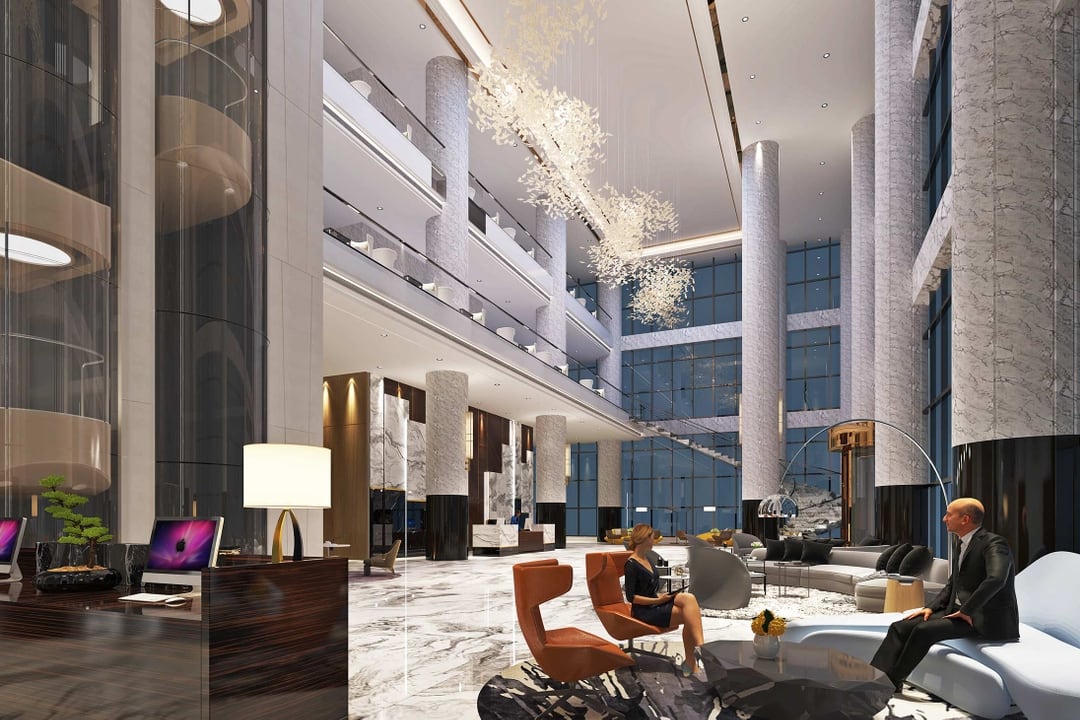
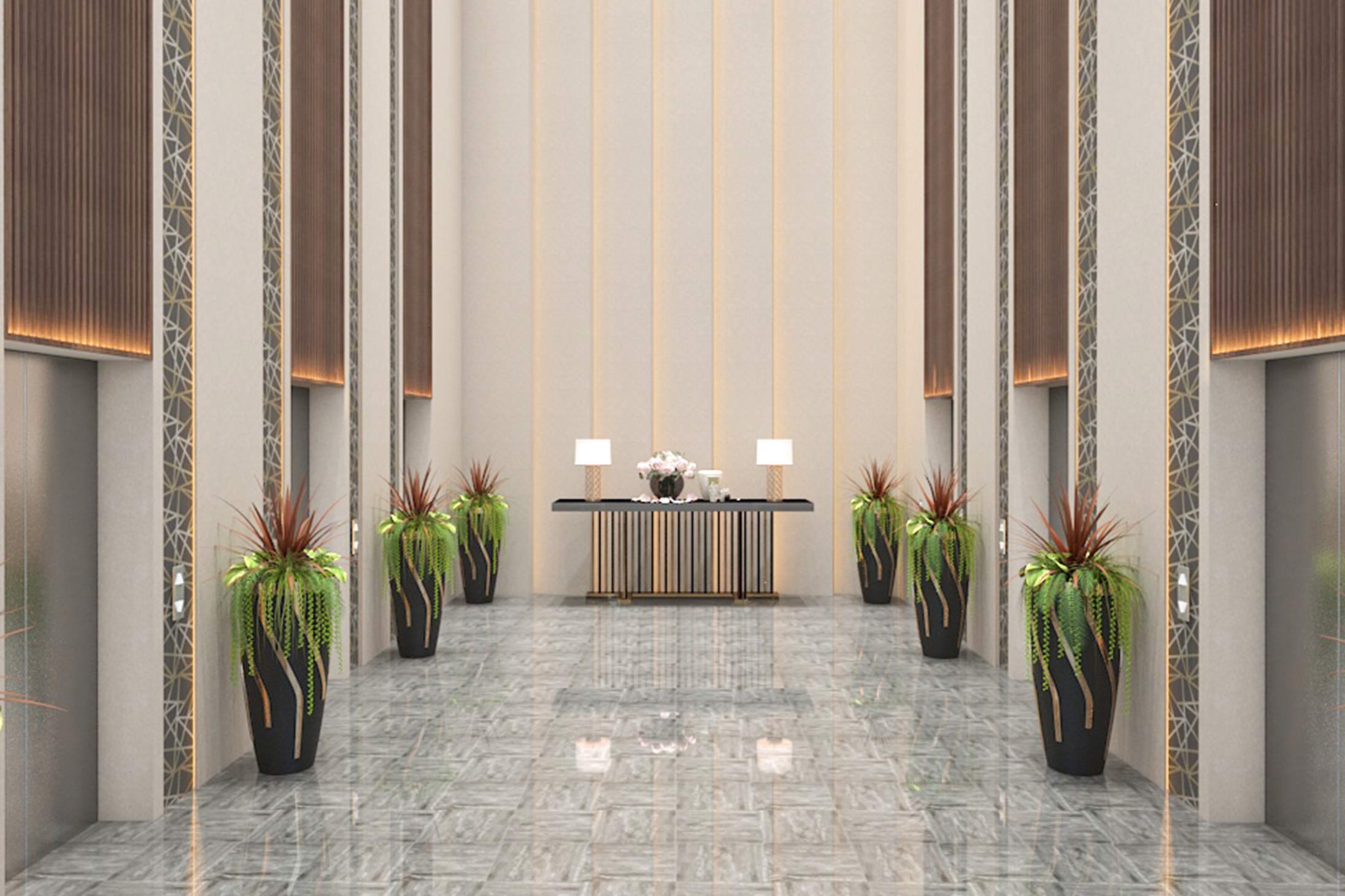
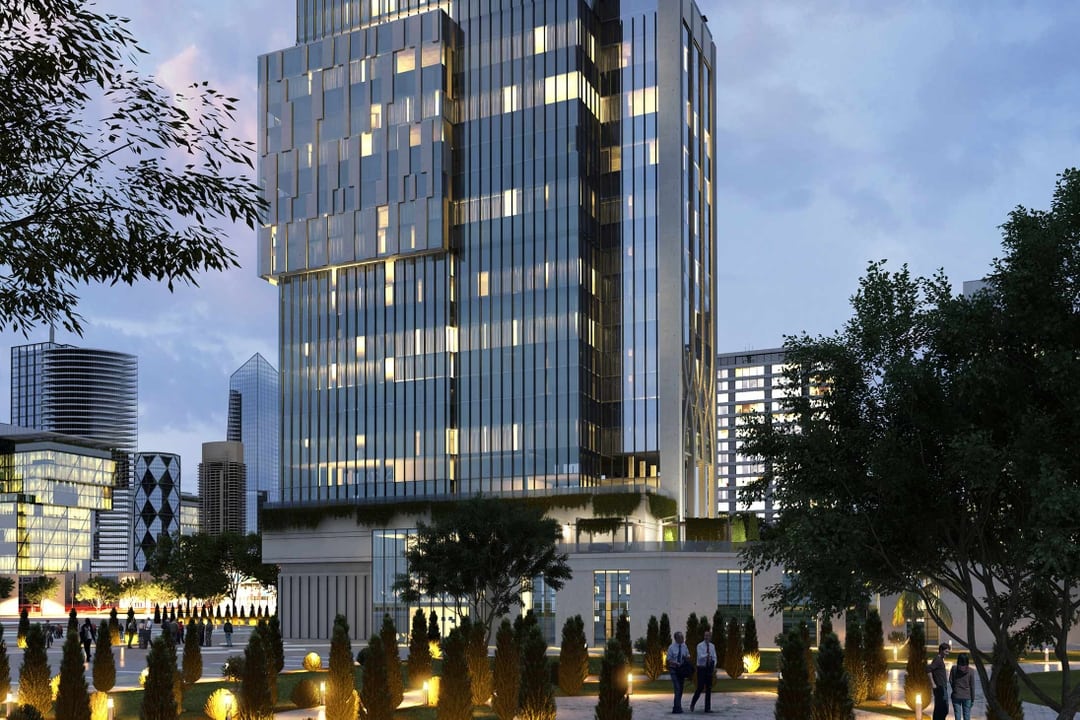
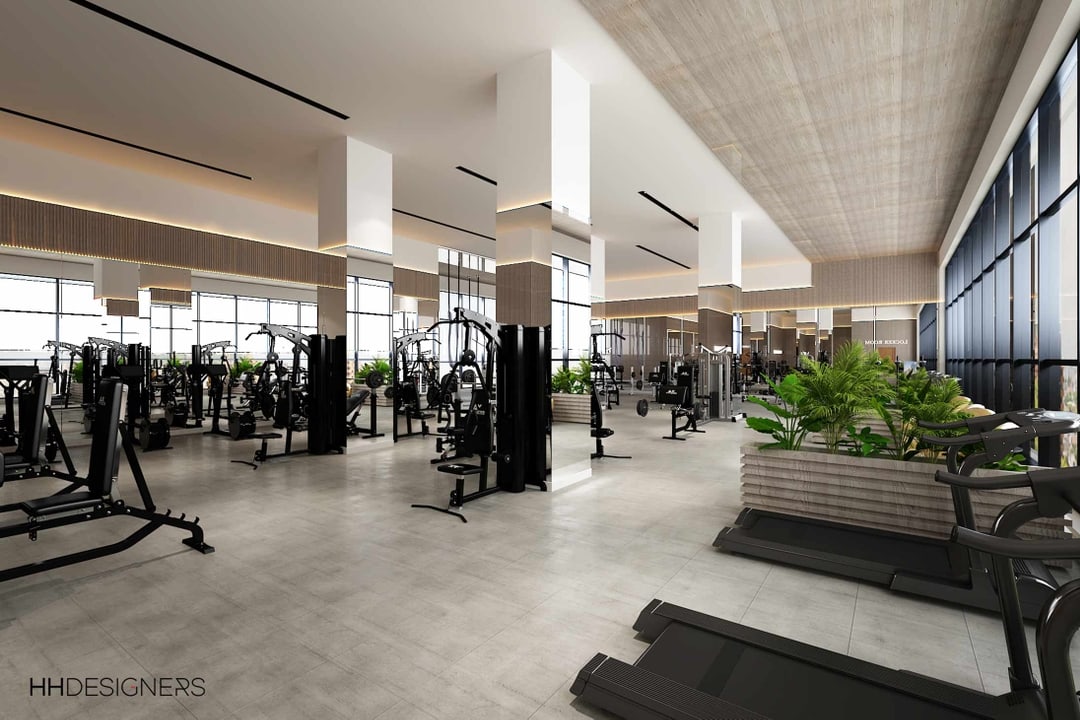
Chicago Towers reflects the challenges of larger urban multifamily environments.
Larger buildings require careful planning because the resident experience can easily become impersonal. The scale may be bigger, but the details still need to feel human.
Important design priorities include:
HH Designers can help larger multifamily properties avoid the coldness that sometimes comes with scale.
Even in a tower or large building, residents should feel that the environment was designed with care.
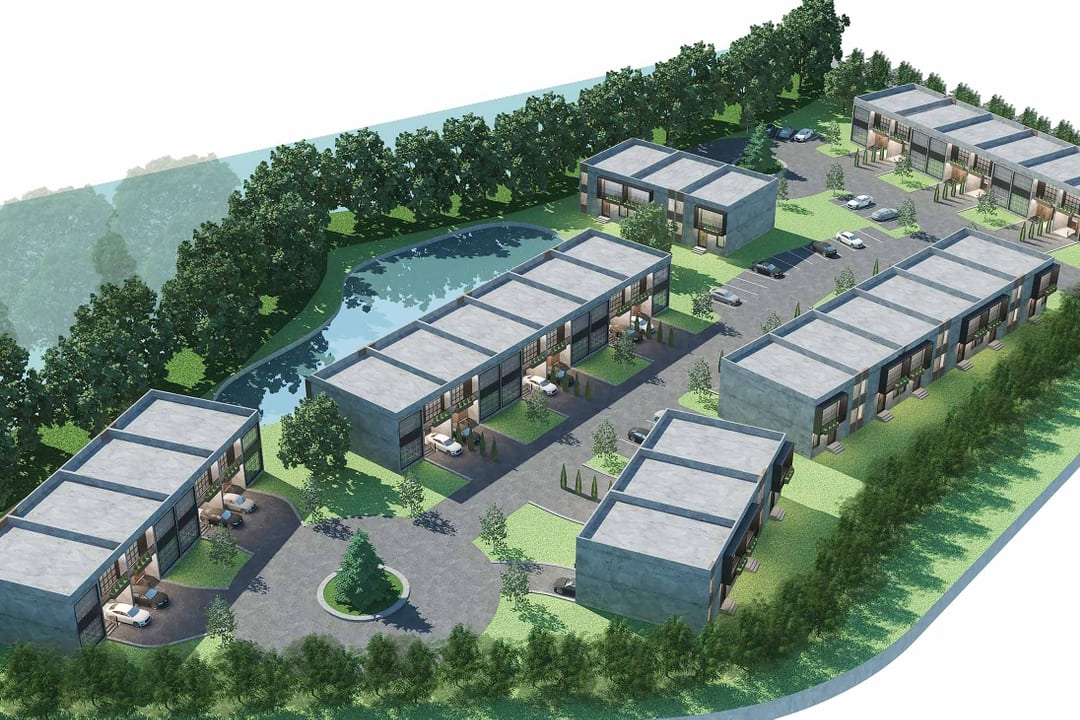
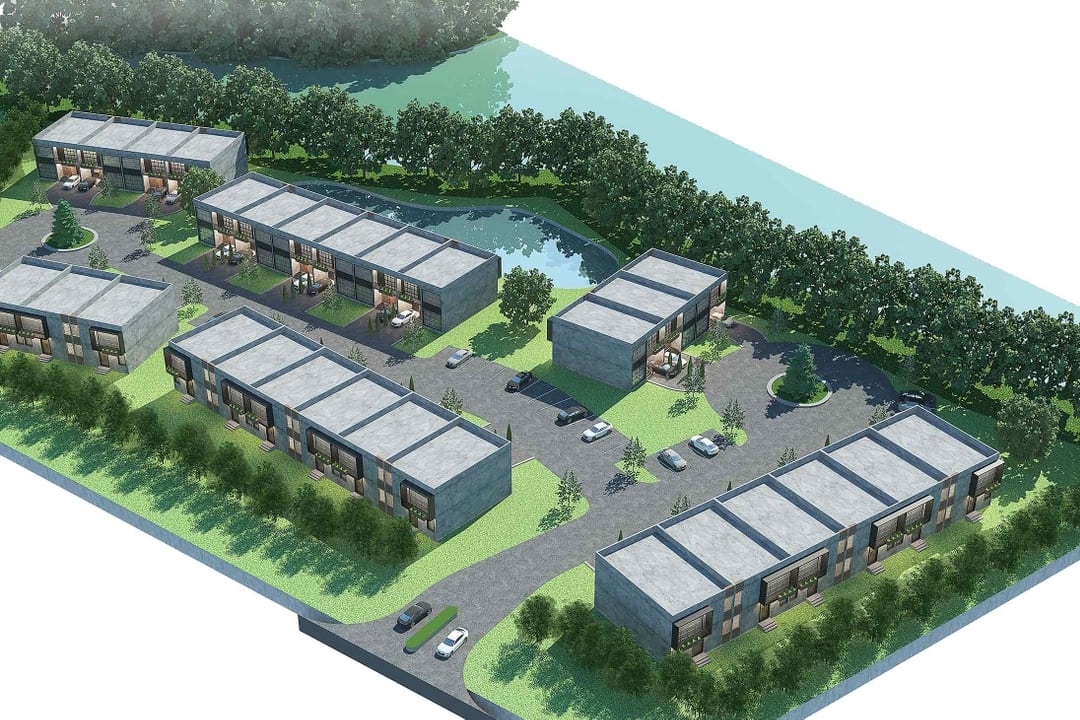
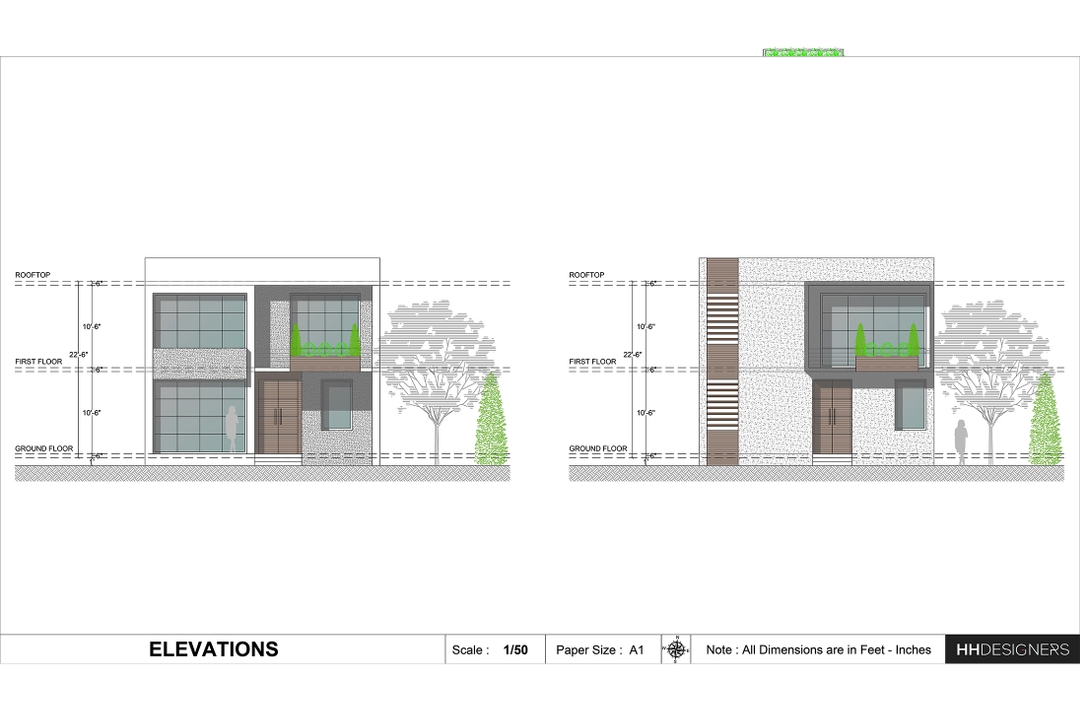
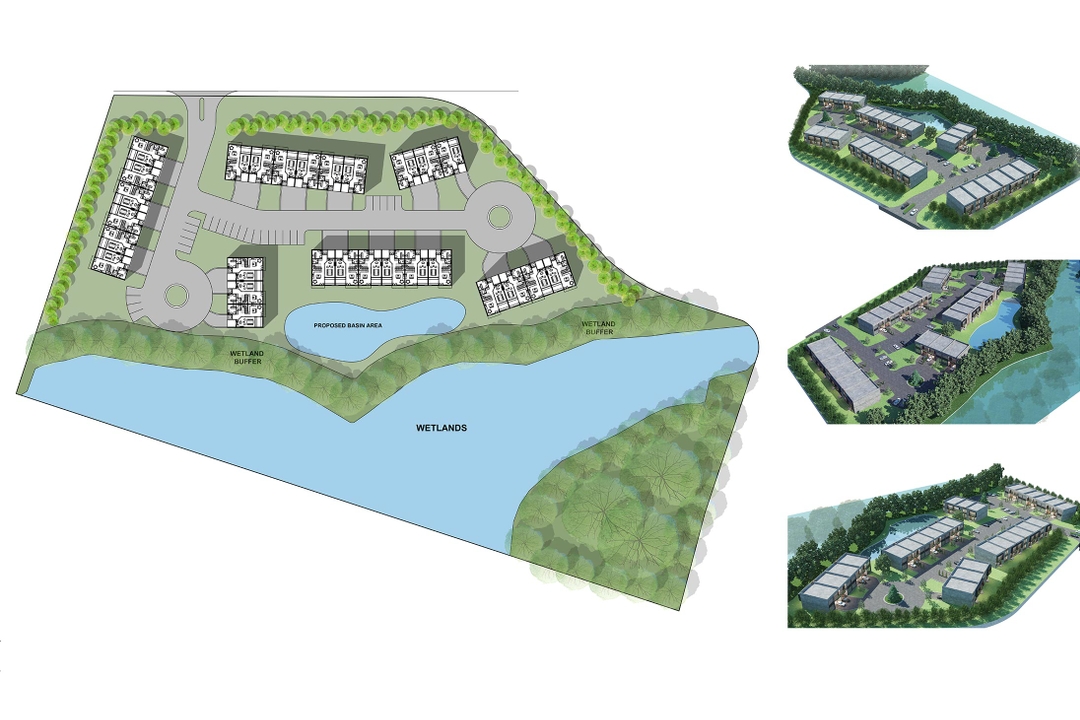
Feather Homes shows the value of bringing residential design sensitivity into multifamily planning.
Multifamily units are often smaller than single-family homes, which means the design has to be even more thoughtful. Every finish, layout decision, and spatial transition matters.
A project like Feather Homes may require thinking through:
HH Designers understands how to create residential warmth within multifamily constraints.
That is especially important for developers who want their units to feel desirable, not simply efficient.
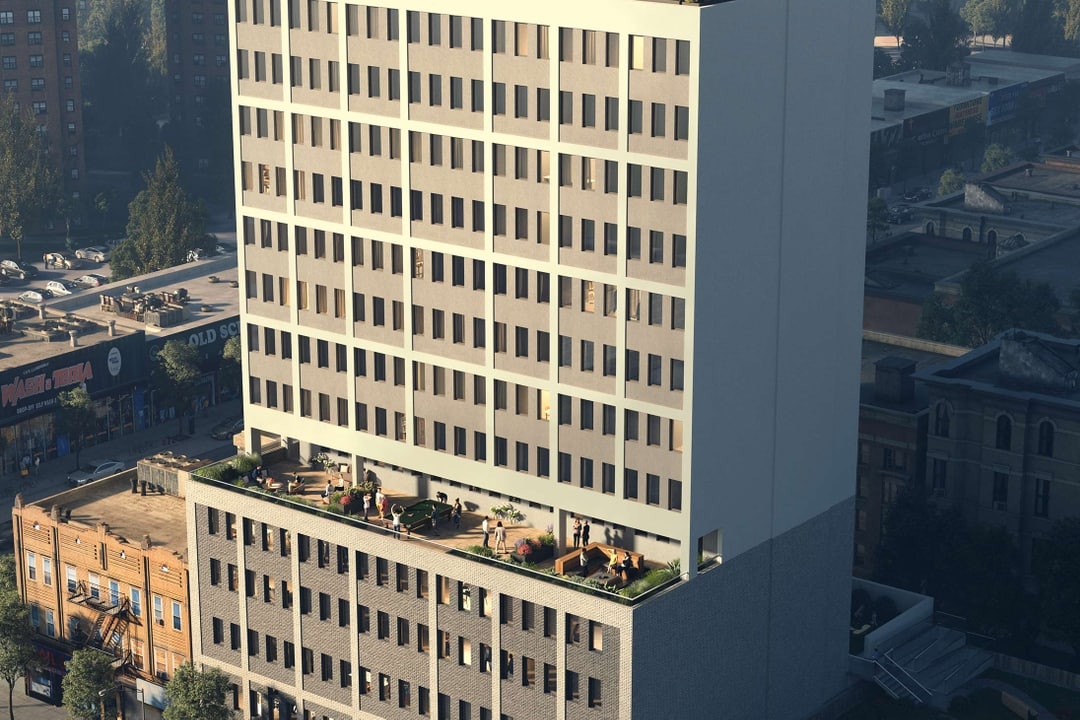
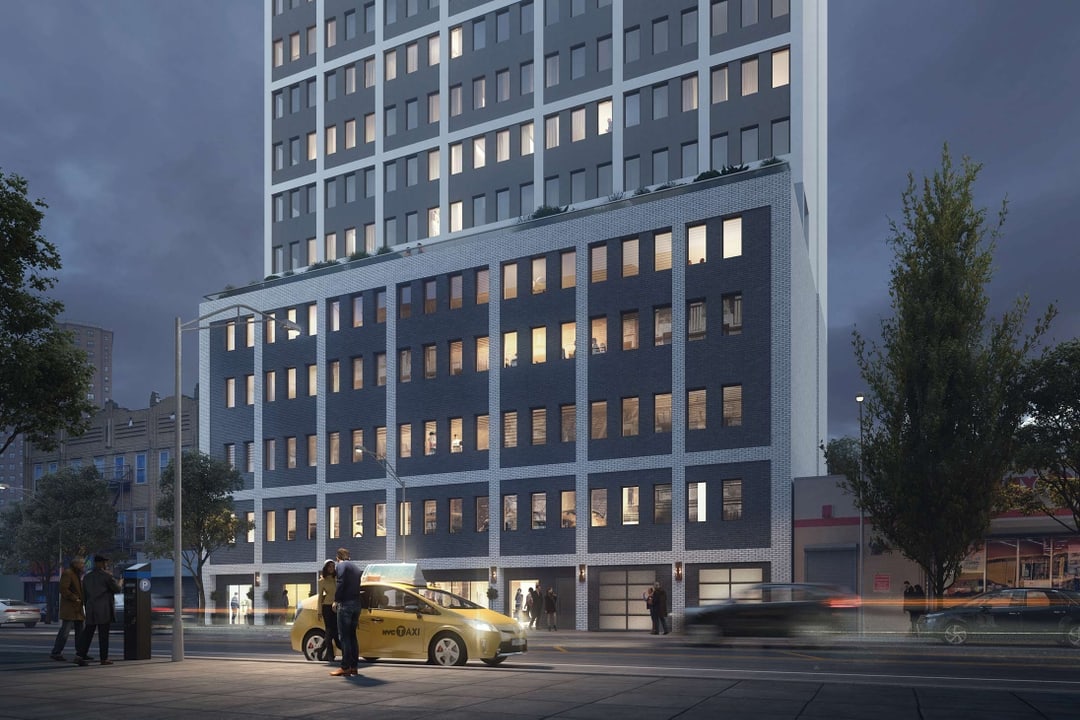
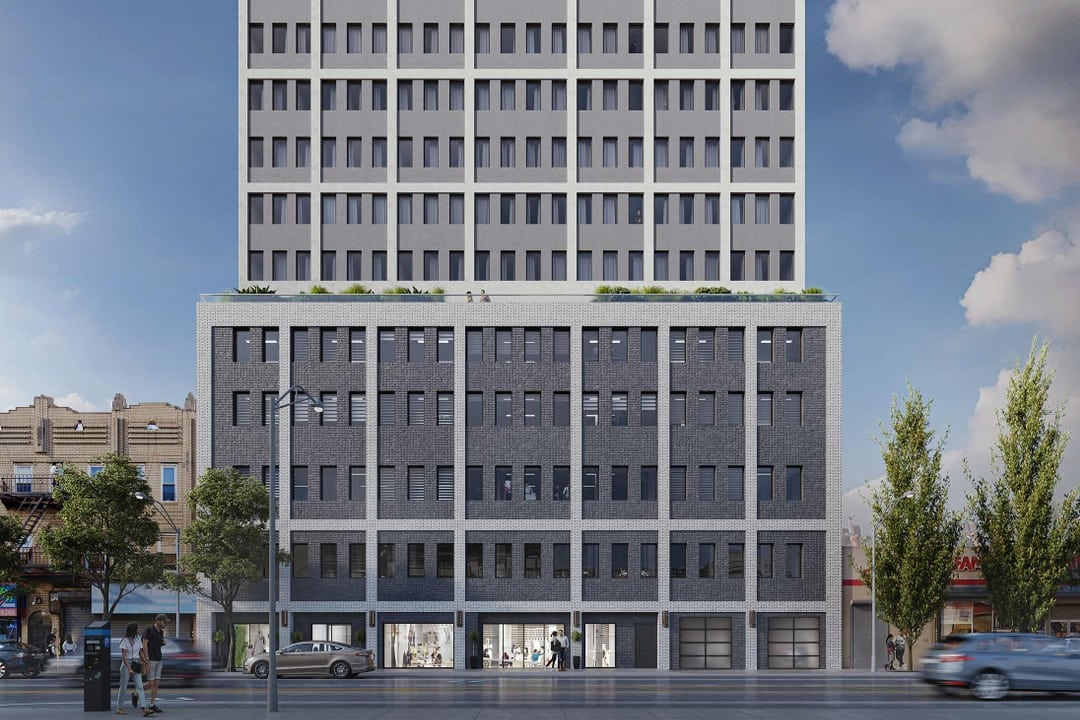
Mother Gaston is another example of how urban multifamily properties need to balance function, density, and identity.
In urban residential projects, the building has to work hard. It may need to support smaller units, high traffic, strong leasing expectations, and a diverse resident base.
Design considerations include:
HH Designers can help urban multifamily developers make practical spaces feel more intentional and desirable.
That difference can significantly affect how residents perceive the building.
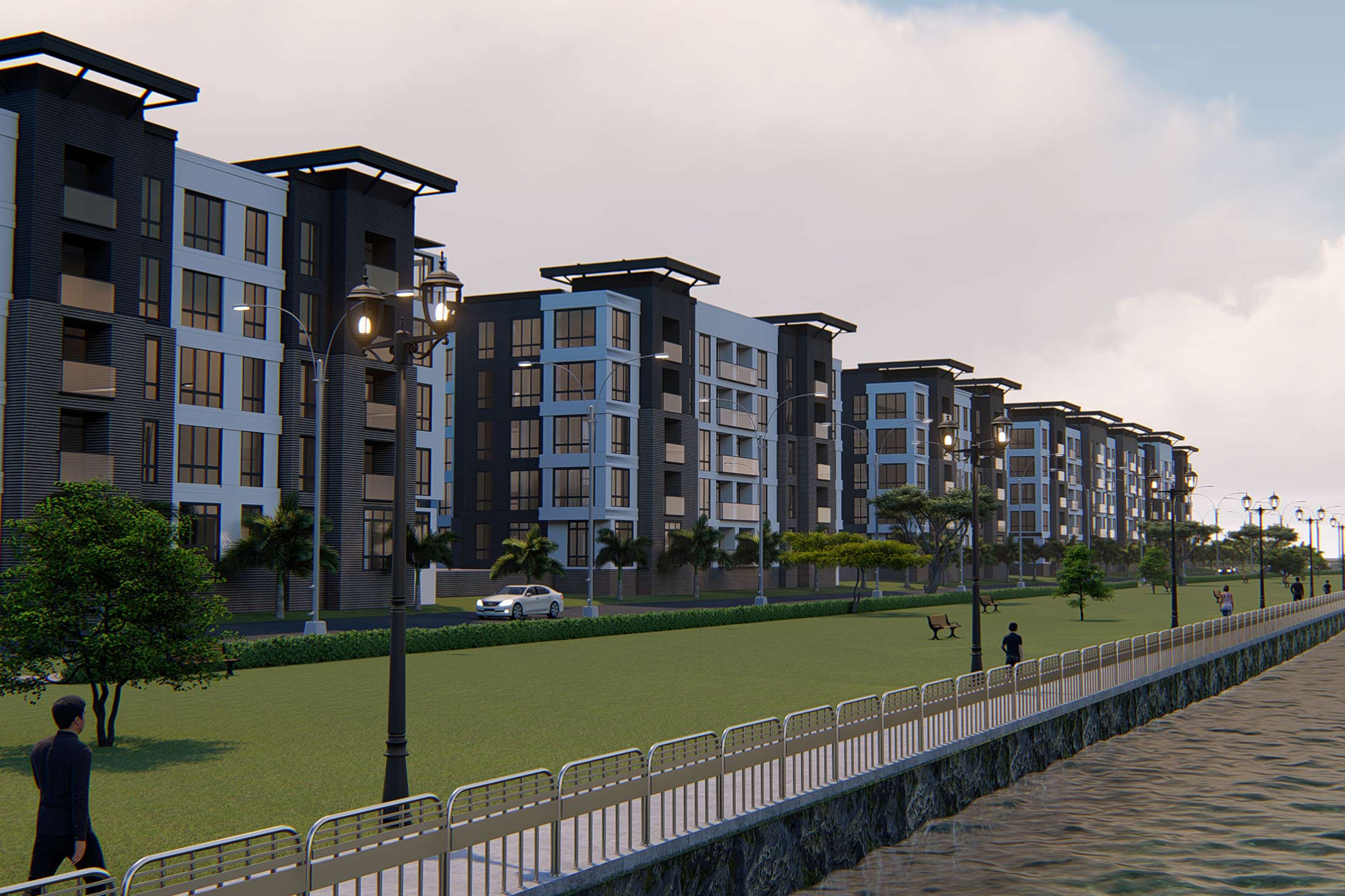
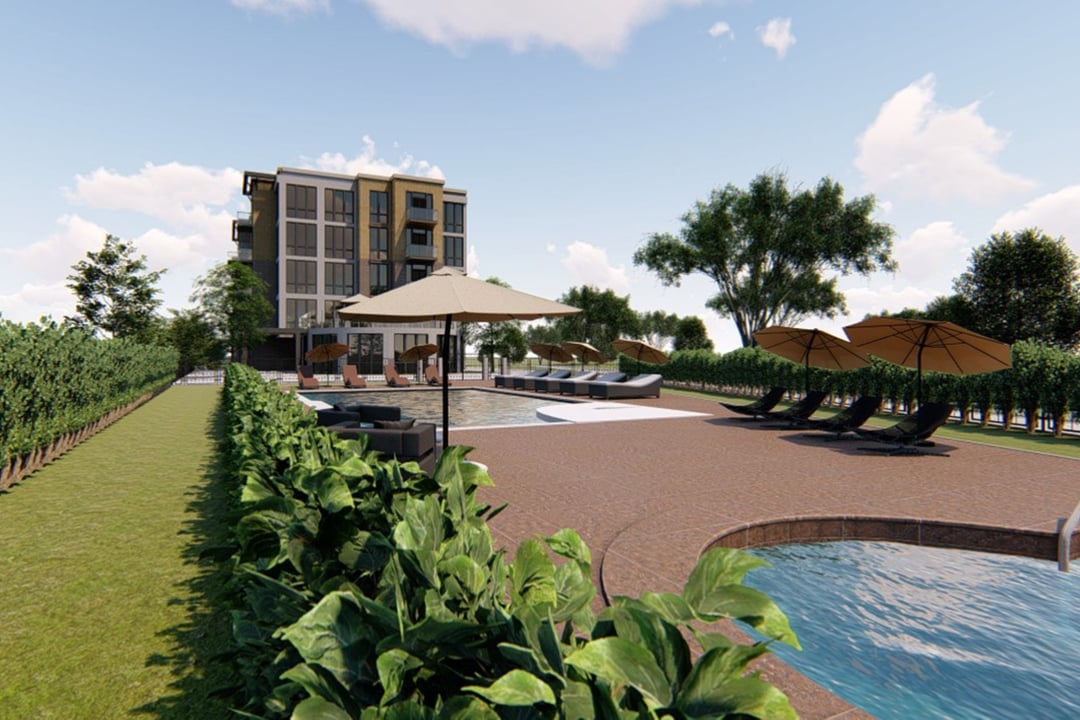
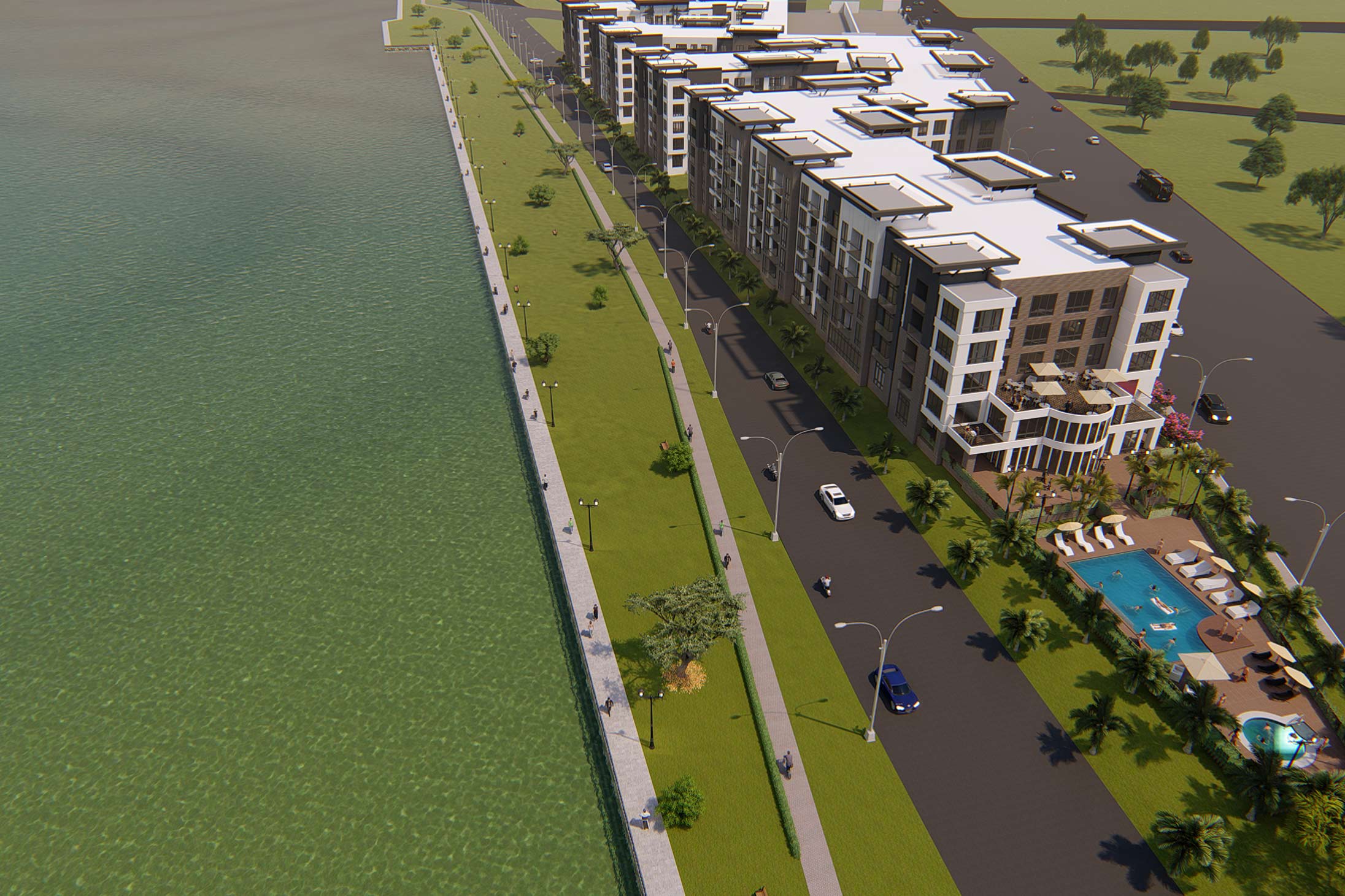
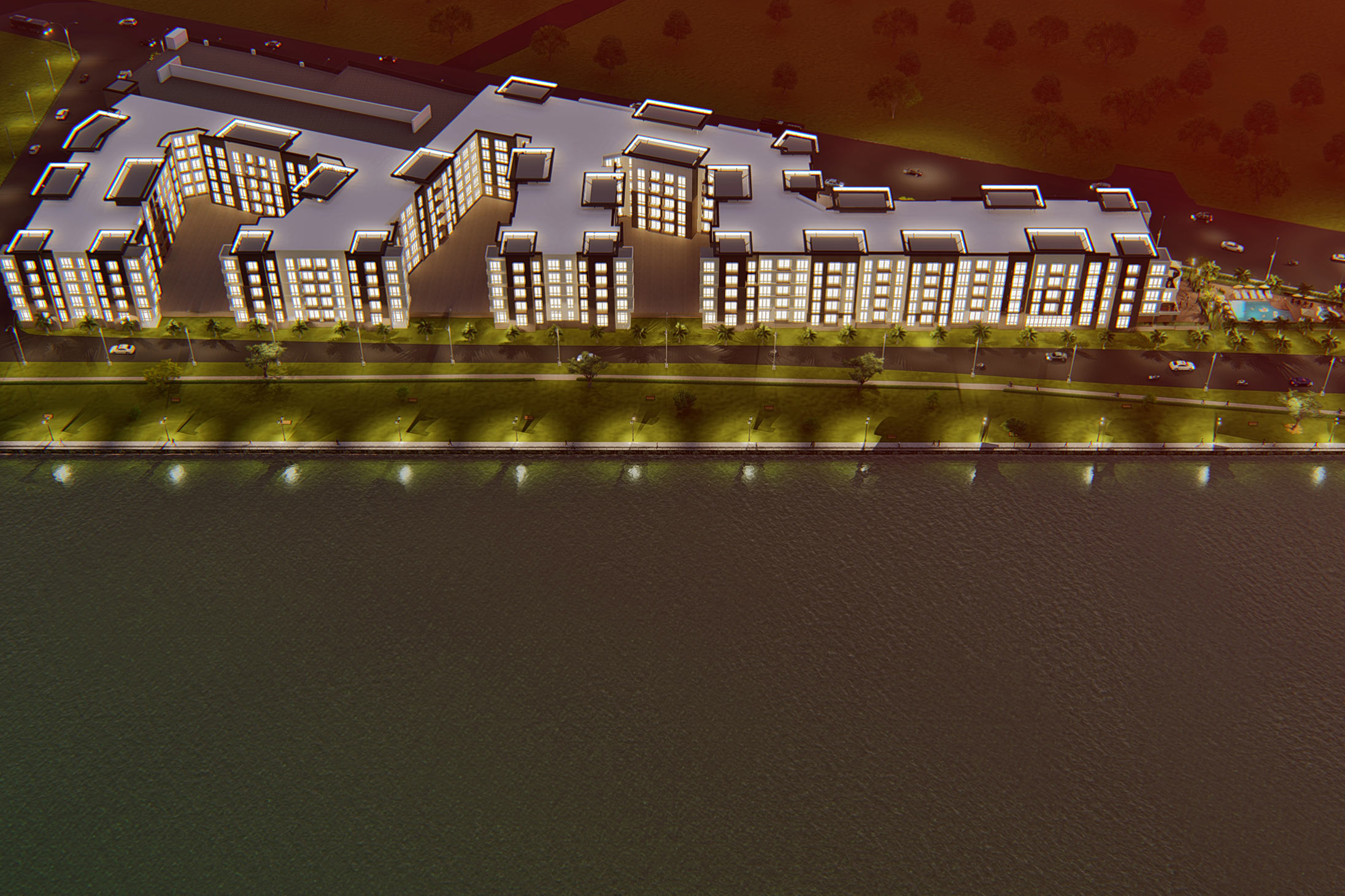
ScenicVue at Bayonne is a strong example of how multifamily design can make a property feel more elevated and memorable.
The name itself suggests the importance of experience and outlook. In projects like this, the interiors should complement the broader promise of the property.
Design considerations may include:
HH Designers can help developers shape multifamily buildings so that the experience feels aligned with the property’s positioning.
A building called ScenicVue should not feel ordinary. It should feel considered, elevated, and memorable.
Linden Stations highlights the importance of movement and access in multifamily design.
Transit-oriented, access-driven, or location-sensitive multifamily projects require a strong understanding of how residents come and go, how they interact with shared spaces, and how the building supports modern daily routines.
For a project like Linden Stations, the design may need to consider:
HH Designers can help create multifamily environments that feel organized, efficient, and elevated.
When a building is part of a resident’s daily rhythm, design has to support that rhythm beautifully.
HH Designers is not a licensed architecture firm, but the team plays a critical role in helping developers, architects, owners, and builders shape multifamily environments that people actually want to live in.
That role can include:
This is especially valuable in multifamily design because the resident experience depends on the relationship between architecture and interiors.
The building needs to function. The units need to live well. The common areas need to feel intentional. The amenities need to support lifestyle. The finishes need to last. The design needs to help the property lease, sell, or retain value.
HH Designers helps bring those priorities together.
If you are planning a multifamily building, apartment community, condo development, mixed-use residential project, or high-rise residential property, the architect is essential. But before plans are finalized, you should also think deeply about how the building needs to feel and perform.
Important questions include:
These are not decorative questions.
They are development questions.
The answers influence lease-up, resident satisfaction, perceived value, marketing performance, retention, and long-term asset strength.
That is why bringing HH Designers into the process early can be so valuable. The team can help clarify the resident experience before the project becomes locked into architectural decisions that may be difficult or expensive to change later.
One of the biggest mistakes developers make is treating interior design as the final layer.
They hire an architect, finalize the plans, begin construction, and only then start thinking seriously about the lobby, corridors, amenities, unit finishes, lighting, furniture, and resident experience.
That approach often leads to missed opportunities.
In multifamily design, the interior experience should influence the plan from the beginning. The target resident, leasing strategy, amenity program, unit mix, lifestyle positioning, and brand identity should all help shape the architectural decisions.
That is why HH Designers’ work in multifamily interior design is so valuable. The firm understands how to design multifamily spaces that are beautiful, but also strategic. The goal is not to decorate an apartment building. The goal is to create a residential environment that supports the property’s value, market position, and resident experience.
For more inspiration, HH Designers’ article on modern multifamily design examples offers additional examples of how thoughtful design can shape the way people experience apartment buildings and residential communities.
The strongest multifamily buildings do not feel accidental.
Every detail feels connected:
That kind of cohesion requires early planning, strong creative direction, and close coordination between the design team, architect, contractor, and developer.
HH Designers brings that level of vision to multifamily projects.
Whether the goal is to create a boutique apartment building, urban high-rise, residential tower, condo development, mixed-use property, rooftop amenity space, or large multifamily community, HH Designers helps transform the project from a building into a place people want to call home.
Multifamily architecture is about more than units, corridors, and amenities.
It is about creating a residential experience that supports the way people live.
The best multifamily buildings make strong first impressions, lease more effectively, feel better to live in, and hold their value over time. They do not feel generic. They feel intentional.
HH Designers has shown through projects like Seaside Heights, Montclair, Citizens Cedar Grove, Northern Liberties, Citizen Little Falls, Kenilworth, Walnut Tower, Flora Park, Citizen Linden, Oak Creek, 17 Mercer, White Pond, Rooftop, 124 Central Ave, Chicago Towers, Feather Homes, Mother Gaston, ScenicVue at Bayonne, and Linden Stations that multifamily spaces can be beautiful, functional, strategic, and deeply livable at the same time.
If you are planning a multifamily property and want it to feel elevated from the very beginning, HH Designers can help you work alongside the right architects and project partners to bring that vision to life.
Ready to create a multifamily building residents remember, choose, and love living in? Book a consultation with HH Designers and start designing a property that feels as exceptional as the vision behind it.
HHDESIGNERS is an international commercial interior design agency creating spaces that elevate the way people live, work and make their mark on the world.