1.22.2026

CEO, Principal Designer
As CEO, Principal Designer, and Chief Visionary at HHDESIGNERS, Heshy's gifted eye and passion for breaking molds is apparent in every project his firm undertakes. His impressive portfolio includes one-million-square-foot office parks, five-star hotels, 500-home residential developments, healthcare complexes, entertainment venues, and other spaces across the U.S. and around the world.
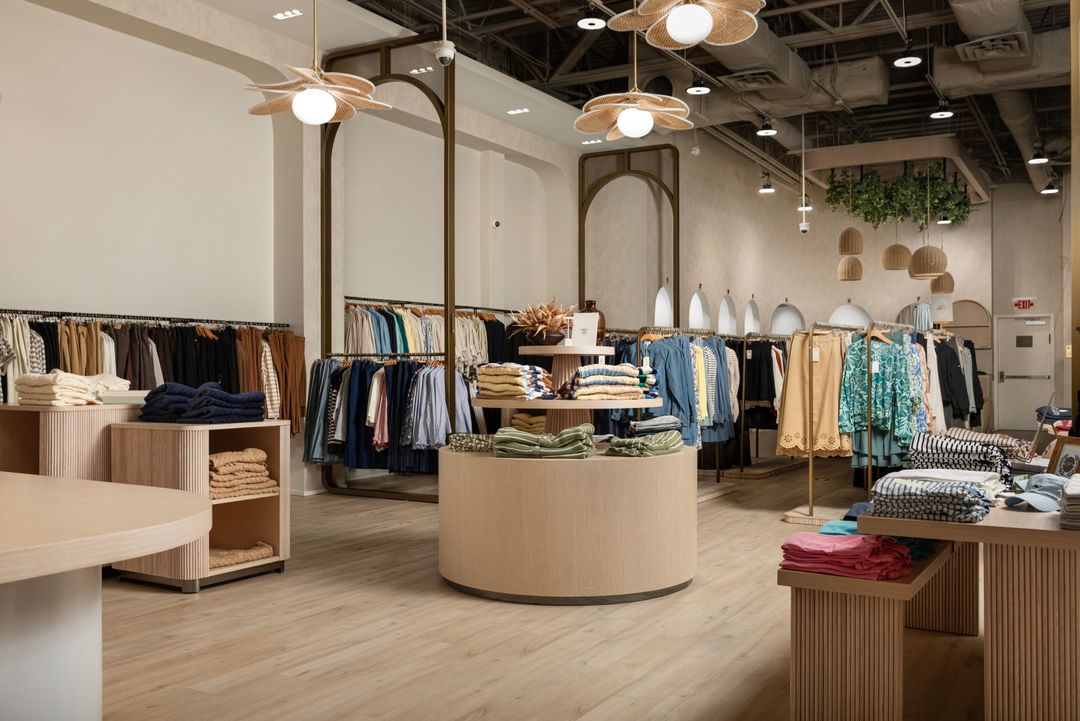
Luxury retail interior design has evolved far beyond shelving, mannequins, and transactional checkout counters. Today, physical retail spaces function as brand flagships, experiential environments, and emotional touchpoints that translate identity into space. As an interior design firm for retail environments, HH Designers approaches luxury retail projects as immersive brand narratives, where architecture, materials, lighting, and circulation work together to influence perception, behavior, and loyalty.
To explore HH Designers’ approach in more detail, visit our retail interior design expertise. We’re a trusted interior design firm in New Jersey.
Luxury retail once centered on exclusivity through scarcity: closed layouts, guarded entrances, and formal presentation. While craftsmanship and quality remain essential, modern luxury retail has shifted toward openness, experience, and emotional connection.
According to research published by Retail Design Institute, today’s luxury consumers seek environments that feel curated yet welcoming, aspirational yet human. Studies from Harvard Business Review confirm that immersive retail environments increase dwell time, brand recall, and purchase confidence.
Luxury retail interior design is no longer about displaying products alone. It is about staging an experience that aligns with brand values and customer lifestyle.
In short, a well-designed retail space is not decoration. It is strategy.
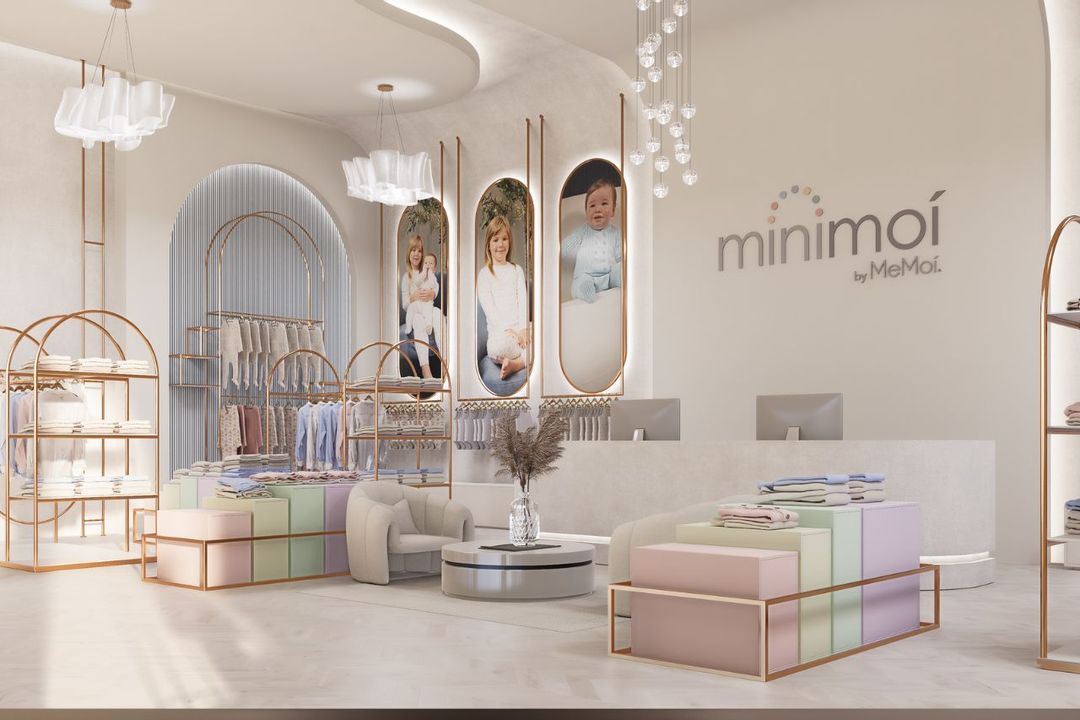
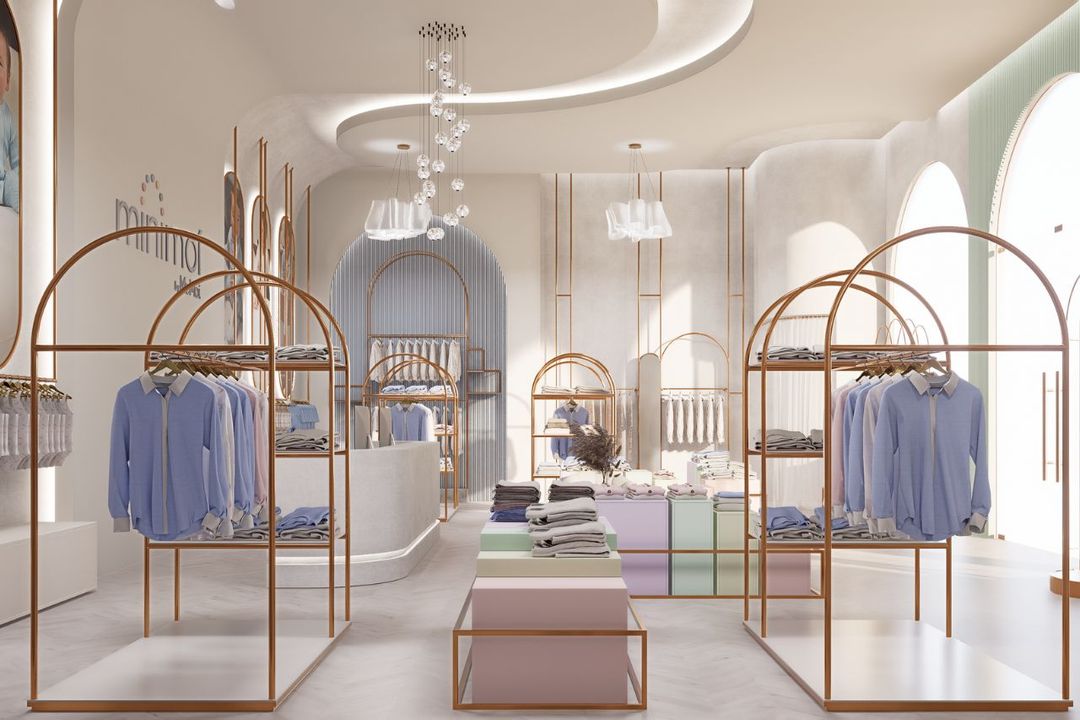
Minimoi exemplifies how luxury retail interior design can feel refined without being intimidating. HH Designers crafted an environment that balances high-end detailing with approachability, allowing customers to engage with the brand comfortably and confidently.
Soft neutral palettes create a calm backdrop that lets products take center stage. Custom millwork and display elements provide structure while maintaining visual lightness. Lighting is layered and intentional, highlighting merchandise without creating glare or harsh contrasts.
Circulation paths are intuitive and fluid, encouraging exploration rather than directing shoppers rigidly. Seating moments are integrated subtly, inviting pause and reflection, a critical element in luxury retail where decision-making is emotional as much as rational.
Design takeaway: Luxury retail thrives when the space feels curated, not controlled. Intimacy and elegance can coexist with openness.
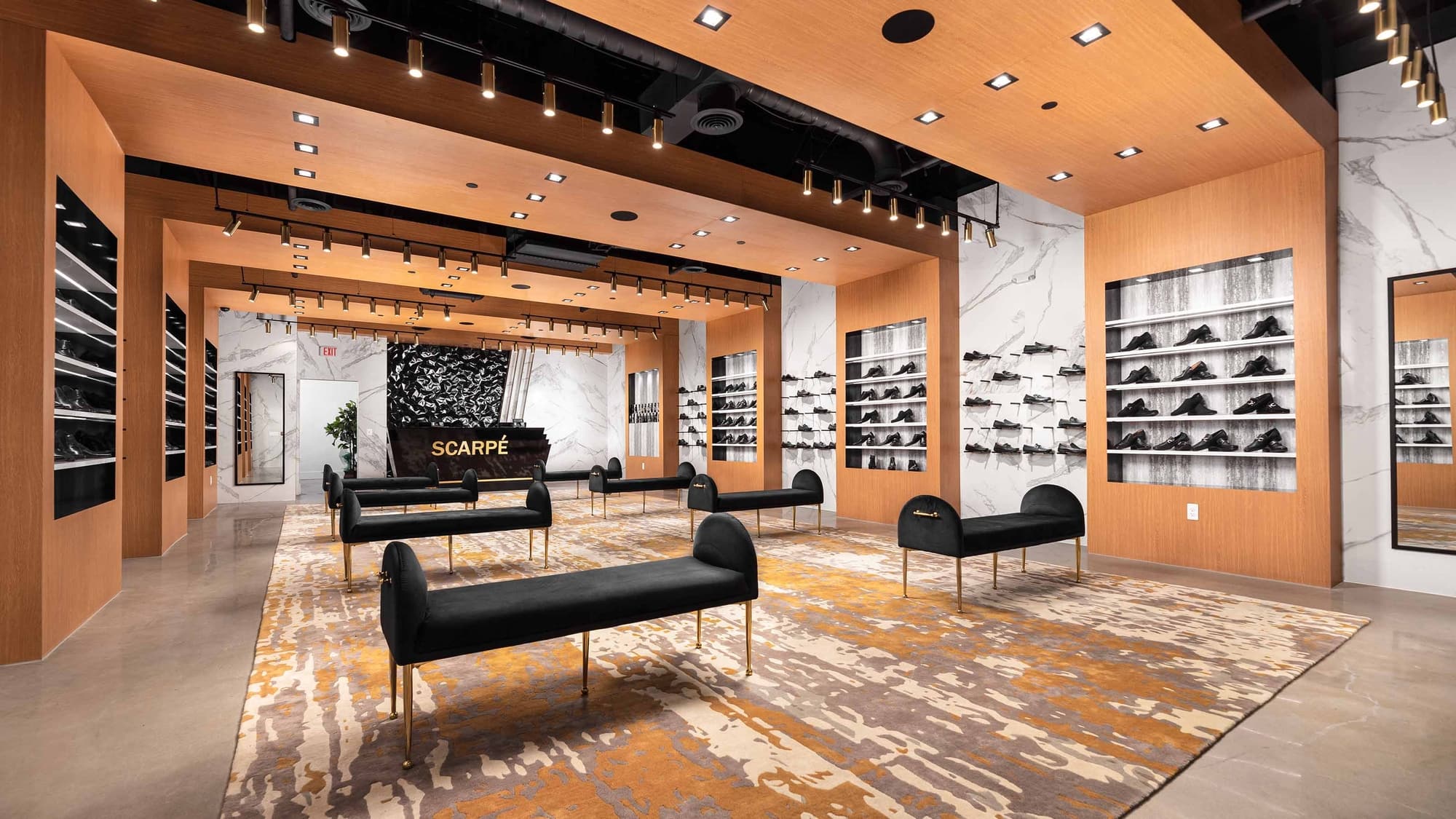
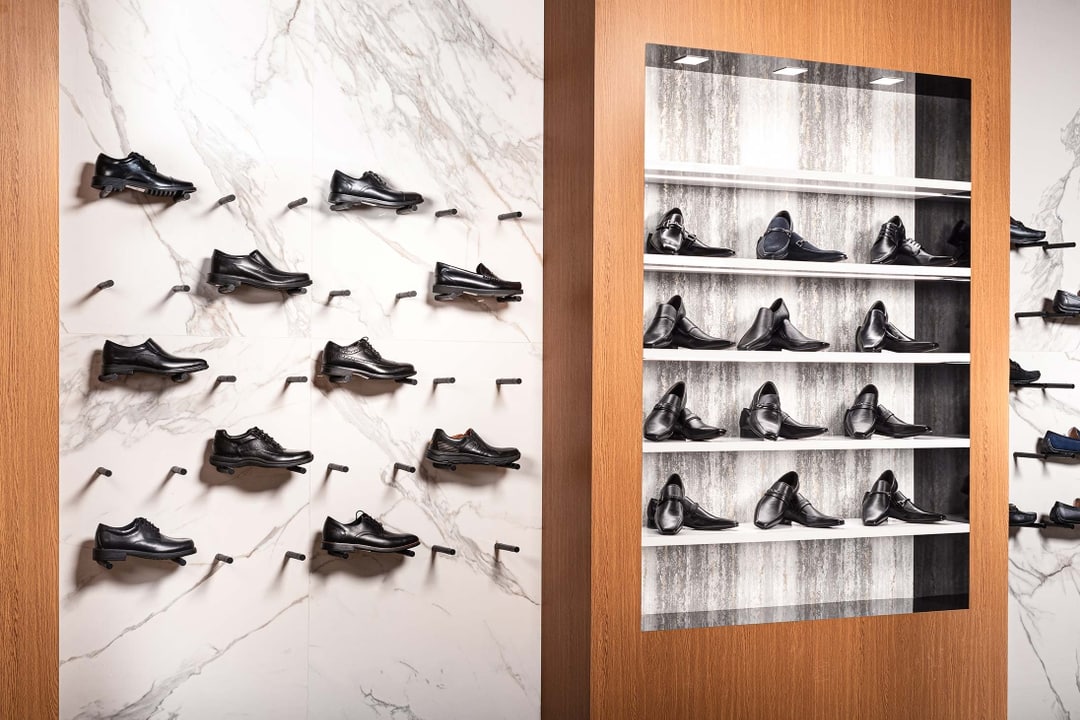
At Scarpe Shoes, HH Designers translated the brand’s focus on craftsmanship into a physical environment that celebrates detail. The interior design emphasizes material authenticity, tactile surfaces, and a restrained color palette that mirrors the quality of the product itself.
Custom shelving and display walls are designed with precision, allowing each item to be appreciated individually. Lighting plays a critical role, using focused illumination to enhance texture and form while maintaining a warm overall ambiance.
The layout avoids overcrowding, reinforcing the sense of exclusivity without alienating customers. Each display feels intentional, almost gallery-like, aligning with research from Retail TouchPoints that shows curated product presentation increases perceived value.
Design takeaway: When product quality is high, the interior design should act as a quiet amplifier rather than a distraction.
The Row demonstrates how restraint can be one of the most powerful tools in luxury retail interior design. HH Designers embraced minimalism not as austerity, but as confidence.
The space is defined by clean architectural lines, generous negative space, and a neutral material palette that allows form and proportion to speak. Lighting is soft and diffuse, creating an atmosphere of calm sophistication.
Every element is deliberate. There is no visual noise, no excess ornamentation. This design approach aligns with findings from the Journal of Consumer Research, which suggests that minimalist environments increase perceptions of brand authority and authenticity.
Design takeaway: In luxury retail, less can communicate more. Minimalism, when executed with precision, signals confidence and timelessness.
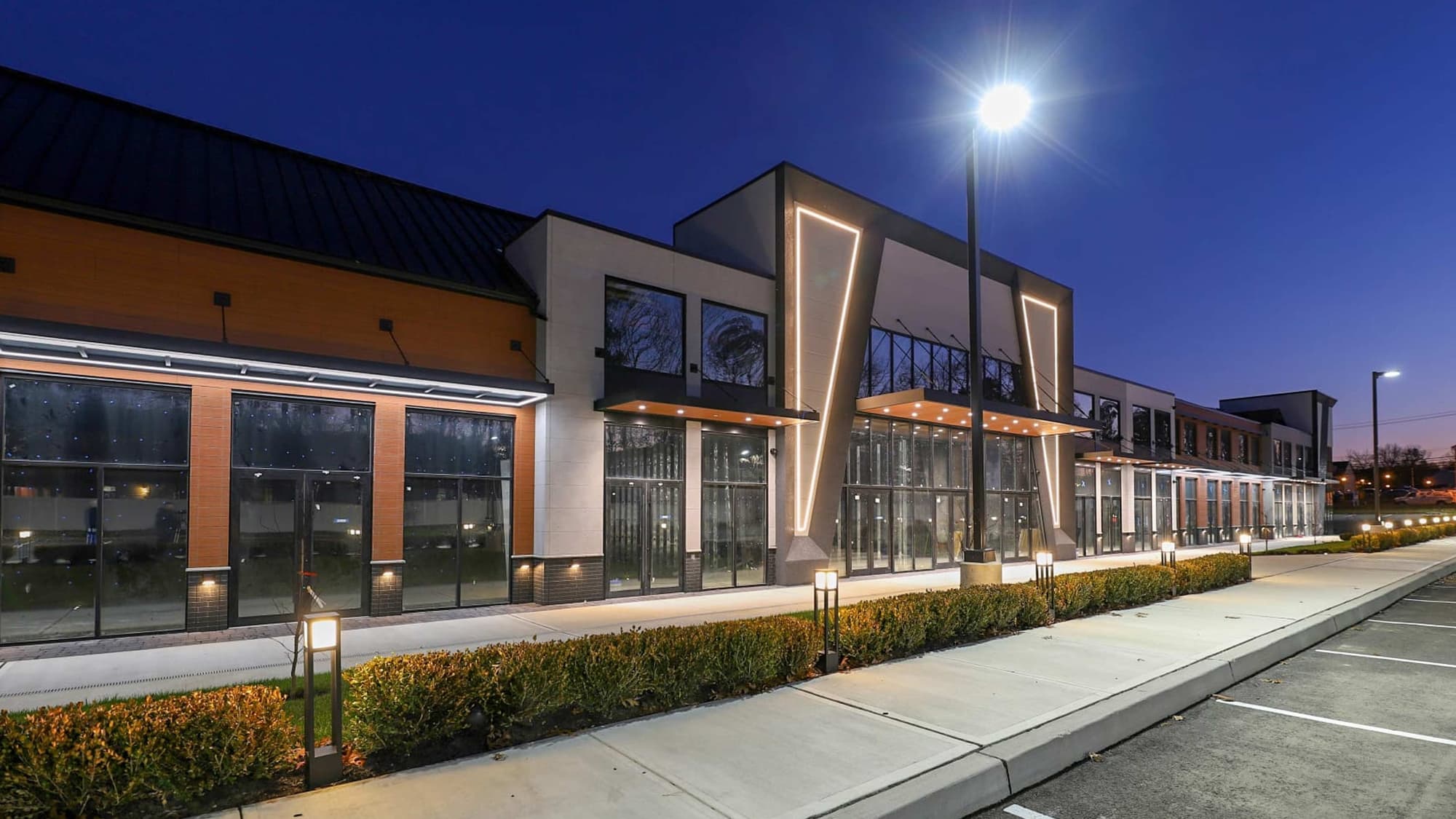
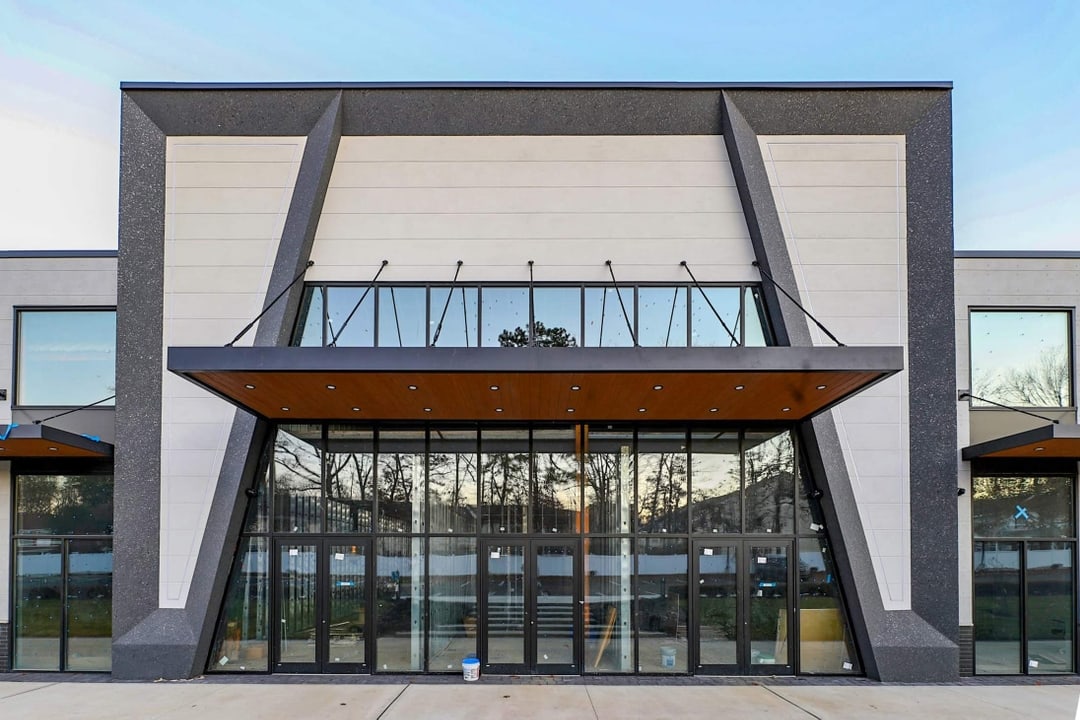
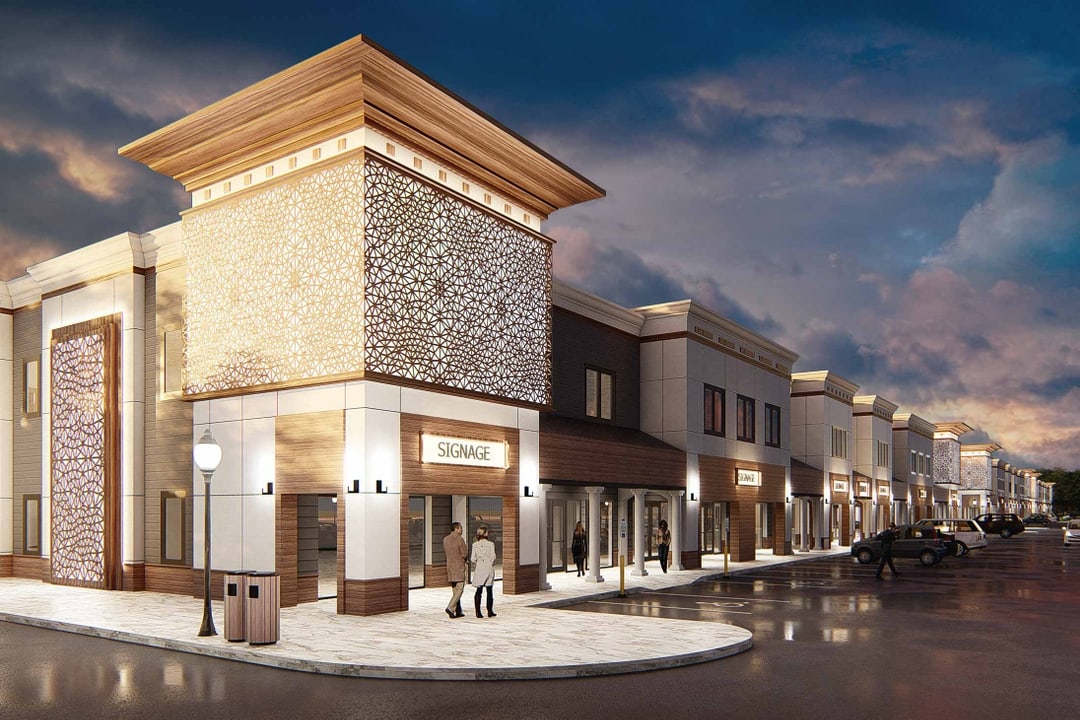
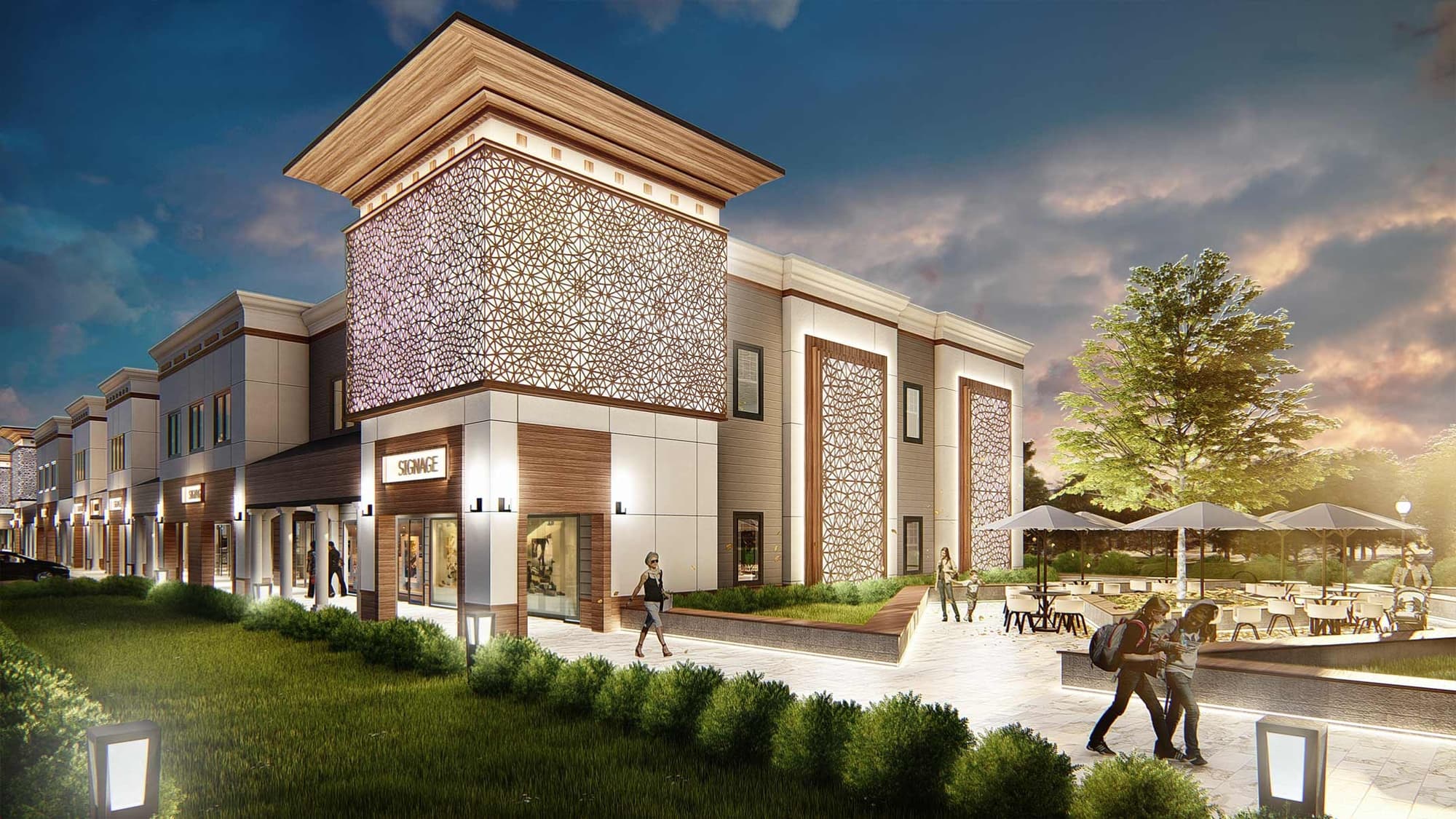
The Towne Shoppes illustrates how luxury retail interior design scales beyond a single storefront into a cohesive shopping experience. HH Designers approached the project as an ecosystem rather than a collection of individual spaces.
Material consistency, coordinated lighting strategies, and unified wayfinding establish a sense of place while allowing individual retailers to express their own identities. Common areas feel elevated yet accessible, supporting both leisurely browsing and purposeful shopping.
The design encourages dwell time through comfortable circulation paths, visual rhythm, and subtle moments of discovery. According to International Council of Shopping Centers research, environments that promote exploration increase overall sales performance across tenants.
Design takeaway: Luxury retail destinations succeed when the overall environment feels intentional, cohesive, and human-centered.
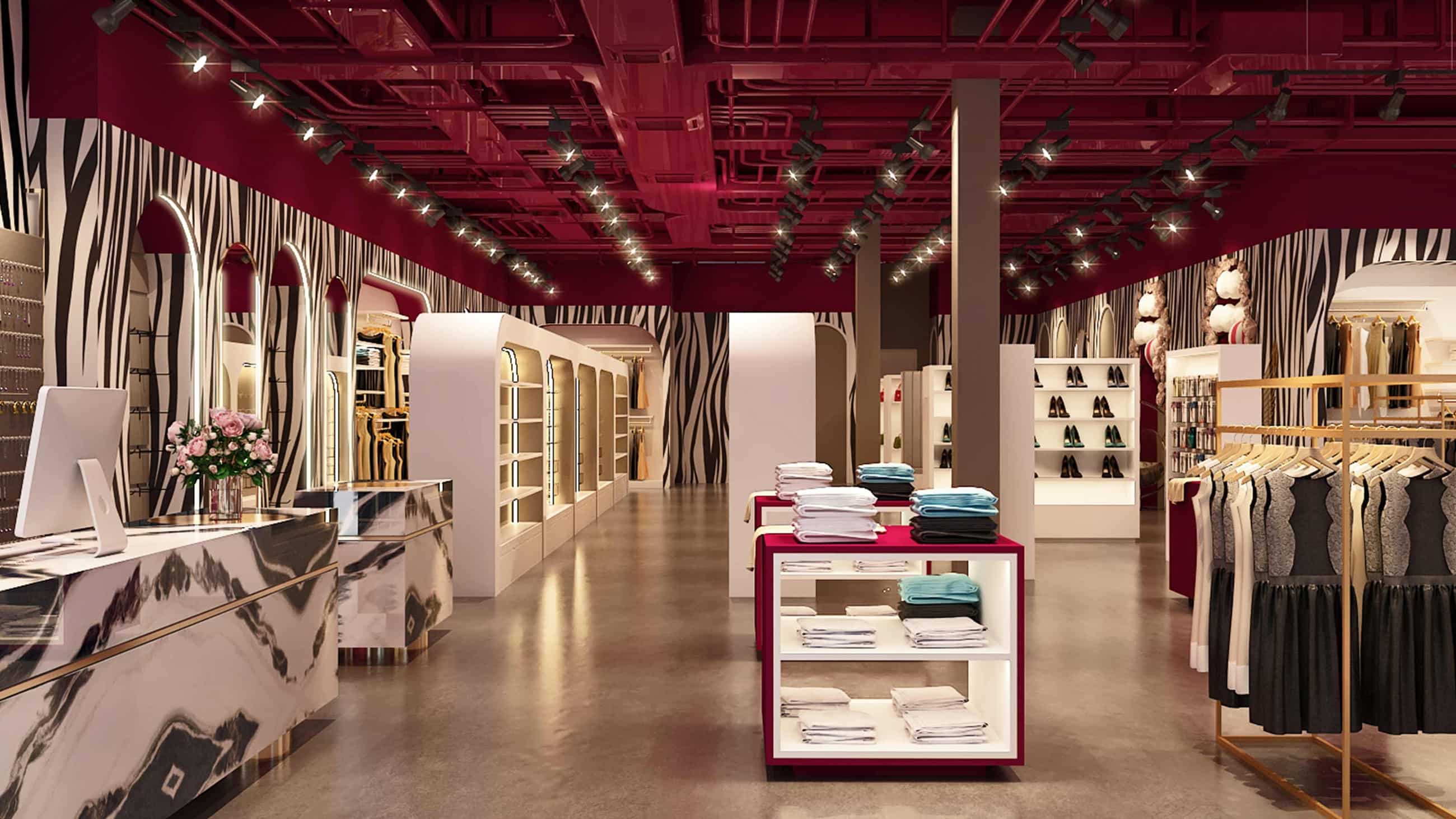

Double Header showcases how luxury retail can intersect with energy and personality without sacrificing refinement. HH Designers created an interior that reflects the brand’s dynamic character while maintaining high-end design standards.
Bold material contrasts, strategic lighting accents, and graphic elements create momentum throughout the space. Circulation is designed to guide customers naturally through product zones, storytelling moments, and interaction points.
Despite the energetic tone, the design maintains clarity and comfort. This balance aligns with insights from the Retail Design Institute, which emphasize that experiential retail must remain intuitive to avoid overwhelming customers.
Design takeaway: Experiential luxury retail works best when energy is balanced by clarity and comfort.
Luxury retail interior design operates at the intersection of psychology and environment. Research aggregated by the Environmental Design Research Association shows that spatial cues influence purchasing behavior more than price in luxury contexts.
Key findings include:
HH Designers integrates these insights across projects. At Minimoi, seating encourages reflection. At The Row, openness fosters confidence. At Scarpe Shoes, material authenticity reinforces craftsmanship.
Design is not neutral. It shapes emotion and decision-making.
Every luxury brand has a narrative. Interior design is how that narrative becomes tangible.
HH Designers begins each retail project with brand immersion, understanding:
From there, design elements such as materiality, lighting, spatial hierarchy, and display strategy are aligned to reinforce brand identity consistently.
A well-designed luxury retail space should feel unmistakably on-brand without relying on logos or overt messaging.
While aesthetics are critical, operational efficiency determines long-term success. HH Designers integrates back-of-house planning, storage solutions, and staff workflows into the design process from the start.
Clear sightlines improve staff awareness. Flexible display systems allow seasonal refreshes without full renovations. Durable materials reduce maintenance costs and downtime.
According to the National Retail Federation, operational inefficiencies directly impact customer satisfaction. Luxury retail design must therefore support both experience and execution.
Design takeaway: The most beautiful store fails if it does not function effortlessly.
Lighting is one of the most powerful tools in luxury retail interior design.
HH Designers employs layered lighting strategies that include:
Color temperature and light distribution are calibrated to flatter products and people alike. Poor lighting can undermine even the most carefully selected finishes.
Luxury retail environments demand materials that feel premium and perform under heavy foot traffic.
HH Designers prioritizes:
Material cohesion across storefronts, interiors, and common areas strengthens brand perception and longevity.
Luxury retail must evolve. HH Designers designs flexibility into each project through modular displays, adaptable lighting systems, and layouts that can be refreshed without structural changes.
This approach aligns with recommendations from the Retail Design Institute, which emphasizes adaptability as a core principle of future-ready retail environments.
Luxury retail interior design is no longer about selling products alone. It is about creating environments that express identity, build trust, and invite connection. The most successful retail spaces feel intentional, immersive, and human.
HH Designers’ luxury retail portfolio, including Minimoi, Scarpe Shoes, The Row, The Towne Shoppes, and Double Header, demonstrates how design can elevate brand presence while supporting operational excellence.
The future of luxury retail belongs to brands that understand space as storytelling. Through thoughtful design, that story becomes unforgettable.
To explore how interior design can transform retail environments and brand performance, partner with an interior design firm for retail spaces that understands luxury is not just seen, it is
HHDESIGNERS is an international commercial interior design agency creating spaces that elevate the way people live, work and make their mark on the world.