1.20.2026
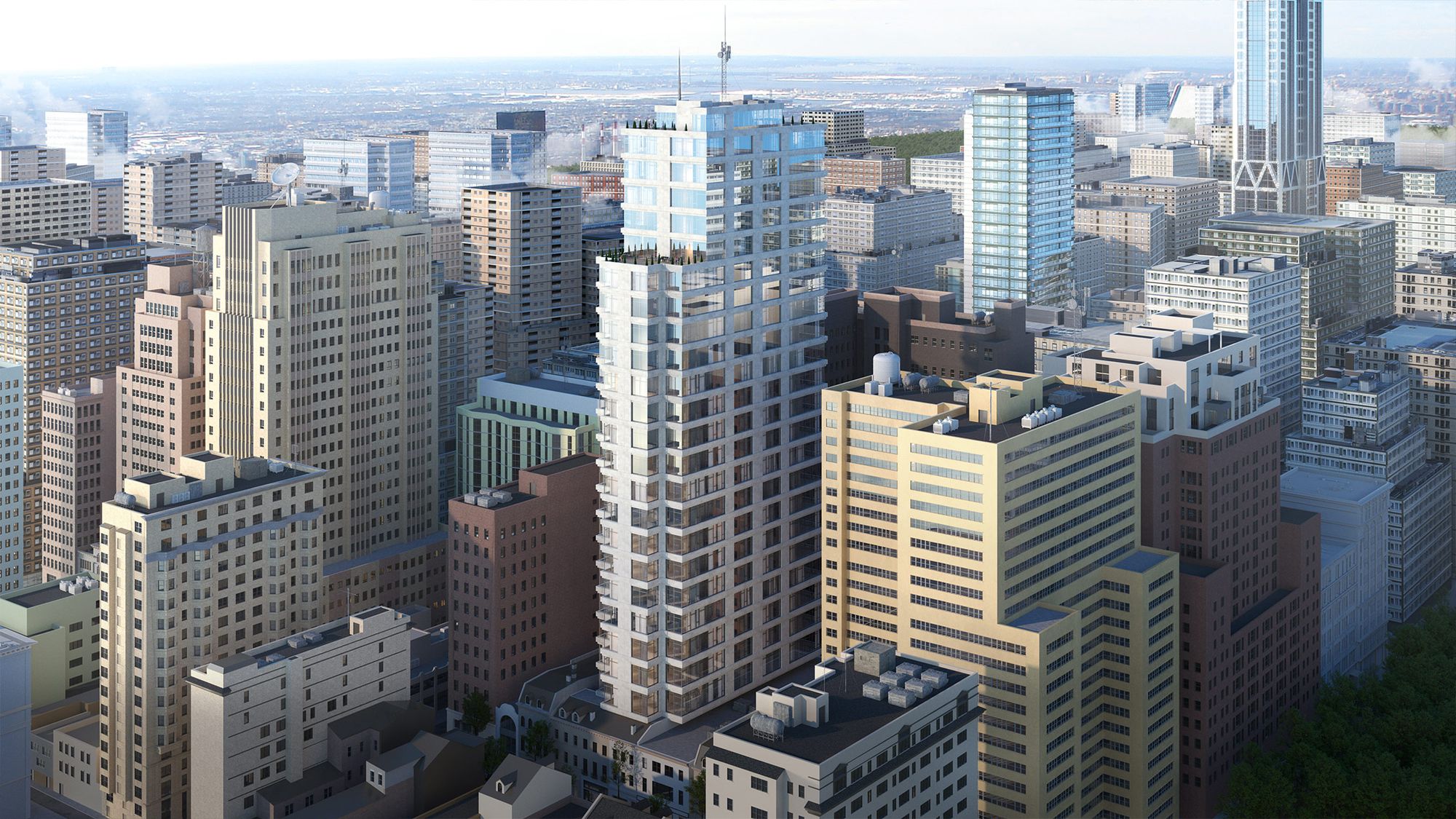
Luxury high-rise residential towers are a category of multifamily design where expectations are exceptionally high and where details matter at every scale. Residents are not only paying for square footage. They are paying for a daily experience that begins at the curb, continues through the lobby and amenities, and extends into private residences where comfort, privacy, acoustics, and craftsmanship must be flawless.
If you are planning a new luxury tower or repositioning an existing building, interior design is one of the most powerful levers you have to shape brand perception, leasing velocity, resident satisfaction, and long-term asset value. It is also one of the most complex design challenges in multifamily because high-rises combine hospitality-level expectations with strict life safety requirements, vertical circulation realities, and operational complexity.
Before we dive in, here are two helpful internal resources to explore alongside this guide: our multifamily interior design case studies and our overview as an interior design firm for multifamily.
Luxury high-rise towers share some similarities with other multifamily projects, but they differ in a few key ways that dramatically influence design strategy.
In high-rise living, residents and guests experience a building vertically. That means the arrival sequence, elevator experience, and corridor design carry more weight than in mid-rise or garden-style communities. People judge the building by how smooth and quiet the transition feels from street to residence.
In luxury towers, residents expect quiet, even in dense urban environments. They expect their unit to feel insulated from neighbors, street noise, elevator machinery, trash chutes, and amenity spaces. Interior design plays a big role here through material selection, detailing, and planning decisions.
Luxury towers compete with hotels, private clubs, and top-tier resorts. Lobbies are expected to feel curated. Amenity spaces are expected to look and operate like a premium destination. Even package rooms and mail areas need to feel intentional rather than purely functional.
In luxury residential, a cohesive identity is part of the product. Interior design helps translate a brand promise into real, daily touchpoints. Residents should feel the building’s personality consistently across the lobby, hallways, elevators, amenity levels, and residences.
A successful luxury high-rise starts with a clear point of view. This is not about picking finishes early. It is about aligning the building’s identity with the market, target buyer or renter, and long-term operational reality.
Luxury can mean different things depending on the market and the audience. A young professional luxury renter may value co-working lounges, wellness programming, and bold design statements. A luxury condo buyer may value quiet elegance, durable premium materials, private storage, and security. A global buyer may value brand recognition, art-forward interiors, and concierge services.
A practical way to align stakeholders is to define a resident persona and a usage pattern:
Once you answer these questions, design decisions become easier and more consistent.
Luxury towers often fall into one of these positioning styles:
Each lane can be done well. The key is consistency.
Luxury design feels stronger when it is rooted in place. That does not mean theme design. It means selecting materials, art, and details that feel authentic to the city, neighborhood, or coastal context. It also means responding to views, climate, and site conditions. A tower with waterfront views should not feel like it was designed for a downtown financial district and vice versa.
In a luxury high-rise, the arrival experience is one of the most value-defining parts of the building. Residents may experience it multiple times per day. Guests may judge the building within seconds.
A strong arrival starts outside:
Luxury towers should avoid the feel of a loading zone at the front door. Even if the building has significant service needs, the resident-facing arrival should feel calm and intentional.
A transitional space helps create a psychological shift from city energy to residential calm. This is where material change matters. You can use:
Luxury tower lobbies typically need to deliver three things at once:
Designing the lobby often includes:
A common luxury mistake is over-designing the lobby visually while under-designing it operationally. Residents and staff notice immediately if circulation is awkward, sightlines are poor, or sound bounces.
Elevators are one of the most frequent pain points in high-rise living. Great design cannot fix mechanical capacity, but it can improve the perceived experience.
Elevator cabs are intimate, repeated experiences. Interior design decisions that matter:
Luxury elevator interiors should feel consistent with the building’s overall brand and not like a generic upgrade.
The elevator lobby sets the tone for each floor. Key elements:
Many luxury towers include destination dispatch elevators and access control. Interior design should anticipate the physical infrastructure:
Corridors are often treated as leftovers in multifamily projects. In luxury high-rise living, corridors are part of the brand.
Even before finishes, the spatial proportion matters:
If corridor width is fixed, design can still improve perceived space through lighting and material strategies.
Corridor lighting should accomplish:
Layered lighting typically includes:
Corridors are sound highways. Noise travels through hard surfaces and door gaps. Design strategies include:
A luxury unit entry should feel like a private residence, not an apartment. Unit entry design can include:
Luxury towers often have impressive amenity lists. The question is whether residents use them consistently and whether they feel genuinely high-end.
A strong amenity strategy is not about quantity. It is about the right mix and how spaces support real resident behavior. Consider:
Luxury amenities should feel curated and integrated, not like a checklist.
Many successful towers organize amenities into zones:
Zoning helps prevent noise conflicts. For example, a calm co-working lounge should not share a wall with a game room.
Luxury towers increasingly need wellness to feel like a boutique studio. Design features that elevate wellness spaces:
Outdoor amenity areas often define the luxury perception, especially in warm markets. Key design considerations:
Many towers add co-working. Few design it well. A strong co-working amenity includes:
Luxury lounges should feel inviting and layered:
Luxury residents notice operational friction immediately. Package rooms, trash rooms, service corridors, and staff areas may not be glamorous, but they influence daily satisfaction.
Package volume has increased dramatically across residential. Luxury towers should plan:
Trash rooms should feel clean and controlled. Design decisions include:
If residents regularly encounter service areas, it can degrade the luxury feel. Ideally:
Unit interiors are where luxury becomes personal. Buyers and renters may be impressed by a lobby, but they decide to stay because the residence feels comfortable, quiet, and timeless.
Even in smaller units, an entry moment matters. Design can create:
Luxury tower kitchens often need to balance sleek minimalism with real cooking needs. Key considerations:
Luxury bathrooms should feel like a retreat:
Unit comfort is closely tied to sound:
Luxury residents care about storage. Design strategies:
If the tower has outdoor space, it should feel integrated:
Luxury is as much about detailing and performance as it is about appearance. Selecting materials that look premium but wear poorly can create long-term dissatisfaction.
Residents notice what they touch every day:
In luxury towers, these items should feel substantial, consistent, and durable.
A common mistake is using overly commercial materials in residential spaces. Luxury design should use durable materials that still feel warm:
Luxury towers feel more expensive when the material palette is cohesive across public spaces, corridors, and unit entries. That does not mean everything matches. It means everything feels intentional.
Lighting is one of the most important value multipliers in luxury interior design, and also one of the most common places where projects underperform.
Layered lighting typically includes:
Luxury environments often feel warmer and calmer because color temperature is consistent and flattering. A mix of mismatched color temperatures can make a building feel cheap quickly.
Many residents return home after dark. The nighttime experience of the lobby, corridors, elevators, and entry points should feel safe, beautiful, and calming. Lighting, reflections, and material choices all play a role.
Many luxury towers use art and curation to differentiate. This can be approached strategically.
Luxury residents can tell when art was selected as an afterthought. Curated art programs, local artist partnerships, or bespoke installations can elevate perception significantly.
In luxury towers, signage should feel integrated. It should not look like an office building.
Design strategies include:
High-rise projects involve strict code and life safety requirements. Interior design needs to work in harmony with:
A luxury aesthetic should never fight these realities. The best projects integrate requirements cleanly so they fade into the background.
Sustainability is becoming a core expectation in luxury multifamily. Wellness is too. Interior design can support both through:
Many developers pursue certifications such as LEED or WELL depending on project goals. Even without a certification, adopting the underlying principles can strengthen the product.
Not every project is new construction. Many owners are repositioning older towers that have strong locations but dated interiors.
Luxury design must match the market’s willingness to pay. A strong design partner helps calibrate finishes and scope so the investment aligns with achievable rent premiums or sale pricing.
Renovations require careful phasing:
When done well, renovation can feel like a brand relaunch rather than a disruption.
Luxury towers fail to meet expectations when a few predictable issues show up. Avoiding these pitfalls can protect both resident satisfaction and long-term asset value.
If package rooms overflow, if concierge sightlines are poor, or if amenity rooms are hard to reserve and manage, residents feel friction daily.
Luxury needs a point of view. Mixing too many finish stories can make a tower feel like it lacks identity.
Flat lighting, mismatched color temperatures, and cheap fixtures immediately weaken the luxury feel.
Noise complaints are expensive. Acoustics should be integrated early through materials and detailing strategies.
A well-designed amenity mix matters more than a long amenity list. Design should reflect real resident patterns.
Luxury high-rise residential towers succeed when design is more than visual. The best projects deliver a consistent, calm, high-performing experience across every touchpoint: the arrival, lobby, elevators, corridors, amenities, and private residences. They feel curated without being precious. They feel premium without being impractical. They feel timeless without being boring.
If you are planning a new high-rise tower or repositioning an existing one, interior design should be approached as an experience strategy, not just a finish selection exercise. A thoughtful design partner helps align brand, operations, resident expectations, and long-term durability.
To explore recent examples and see how modern multifamily environments come together, review our multifamily interior design case studies. And if you are evaluating design partners for a tower or multifamily portfolio, learn more about HH Designers as an interior design firm for multifamily.
Interior design for high rise luxury towers requires a deeper focus on vertical living, acoustics, privacy, and operational flow. Unlike mid rise or garden style multifamily, high rise buildings rely heavily on elevators, shared amenity levels, and interior circulation. Design decisions must address sound control, security, and a consistent experience from curb to residence. Luxury towers also compete directly with high end hospitality, which raises expectations for finishes, lighting, and service-driven spaces.
Interior design plays a major role in first impressions, tour experience, and long term resident satisfaction. Lobbies, amenity spaces, and model units often determine whether a prospective renter or buyer moves forward. In competitive urban markets, well designed interiors can directly support higher rents, faster absorption, and stronger brand perception. Poorly designed interiors often lead to longer vacancy periods and more frequent resident complaints.
While unit interiors matter, residents often judge a tower by its shared spaces first. The arrival sequence, lobby, elevator experience, corridors, and amenity spaces strongly influence perception. Fitness centers, lounges, and outdoor terraces also play a major role. Inside the unit, kitchens, bathrooms, and flooring quality are usually the most scrutinized elements.
The key is selecting materials that look refined but are engineered for high traffic and long term performance. This includes performance fabrics, durable flooring systems, high quality hardware, and finishes that resist staining and wear. Luxury does not require fragile materials. The best projects use thoughtful detailing and high quality construction to achieve both beauty and longevity.
Interior design should be involved as early as possible, ideally during schematic design. Early involvement allows the design team to influence space planning, amenity layouts, vertical circulation experiences, lighting strategies, and operational workflows. Waiting until later phases often limits design impact and can result in missed opportunities or costly changes.
Luxury tower amenities are expected to function more like private clubs or boutique hotels. This means higher expectations for material quality, acoustics, lighting, and operational planning. Fitness spaces often need to feel like studios rather than basic gyms. Lounges must support both social and quiet use. Outdoor amenities must be designed carefully for wind, sun, and privacy at height.
Branding is critical. Luxury towers are often marketed as lifestyle products, not just residences. Interior design helps express that brand through material palettes, lighting, art, signage, and spatial experience. A cohesive brand story across all interior spaces helps differentiate the building in a crowded market and supports long term value.
Privacy is addressed through multiple design strategies. These include acoustic separation between units, corridor sound control, thoughtful unit entry detailing, elevator lobby buffering, and careful placement of amenity spaces. Interior finishes, door assemblies, and layout decisions all contribute to how private a residence feels.
Yes. Flexible layouts, durable materials, adaptable amenity spaces, and timeless design decisions all help future proof a building. Technology integration, such as access control and smart building systems, should be planned in coordination with interior design so spaces can evolve without major renovation.
Common mistakes include overdesigning aesthetics while underplanning operations, using materials that wear poorly, ignoring acoustics, underinvesting in lighting, and designing amenities that look impressive but do not match resident behavior. Another frequent issue is a lack of cohesion across spaces, which can make a building feel disjointed rather than truly luxurious.
Renovations require careful phasing, resident communication, and design decisions that respect existing constraints. Interior design often focuses on high impact upgrades such as lobbies, amenities, corridors, and kitchens or bathrooms within units. A strong renovation strategy balances visual transformation with minimal disruption and realistic return on investment.
Timeless proportions, restrained color palettes, high quality materials, and strong detailing help interiors remain relevant longer. Avoiding overly trendy finishes and focusing on craftsmanship, lighting, and spatial quality ensures the design continues to feel premium years after completion.
High rise luxury towers are complex environments that combine hospitality expectations, residential comfort, building codes, and operational realities. An interior design firm with deep multifamily experience understands how to align all of these factors. This results in spaces that are not only beautiful but also functional, durable, and supportive of long term asset performance.
HHDESIGNERS is an international commercial interior design agency creating spaces that elevate the way people live, work and make their mark on the world.