1.20.2026
Condominium buildings occupy a unique and demanding position within multifamily real estate. Unlike rental properties, condos are not only places where people live. They are long-term investments, lifestyle statements, and personal assets. Buyers scrutinize every design decision because they are committing to ownership, not a lease term. As a result, interior design for condominium buildings must balance market appeal, durability, governance realities, and long-term relevance in ways that other residential typologies do not.
Whether you are developing a new condominium building, repositioning an existing asset, or upgrading common areas for an established association, interior design directly influences perceived value, resale performance, and resident satisfaction. Poor design decisions can become long-term liabilities. Thoughtful design choices can elevate a building’s reputation for decades.
To see how contemporary multifamily environments are being designed today, explore our multifamily interior design case studies. You can also learn more about HH Designers as an interior design firm for multifamily.
Condo interior design differs from apartment design in several critical ways. Understanding these differences is essential before making any design decisions.
Condo residents are owners. They evaluate finishes, detailing, and durability through a long-term lens. Materials that might be acceptable in a rental building often feel insufficient in a condo context. Owners notice wear more quickly because they feel personally invested in the building’s condition.
In rental properties, finishes can be updated as units turn over. In condos, common area finishes often remain for many years. Replacing them requires board approval, assessments, and disruption. This means interior design must prioritize longevity and adaptability.
In condo buildings, interior design becomes part of the building’s identity. Buyers and brokers reference the lobby, corridors, amenities, and overall aesthetic when marketing units. A dated or poorly executed interior can directly impact resale pricing.
Condo projects must account for HOA or condo association governance. Decisions often involve multiple stakeholders, budgets are scrutinized closely, and transparency is essential. A good interior design strategy anticipates these realities and provides clarity around cost, maintenance, and long-term performance.

Strong condominium interiors begin with a clear and realistic design vision. This vision should align with the building’s market positioning, buyer profile, and geographic context.
Not all condos are designed for the same audience. Common buyer profiles include:
Understanding the buyer profile helps determine how bold or restrained the design should be.
Interior design must match the achievable sales price. Over-designing can hurt returns, while under-designing can limit appeal. The goal is not extravagance but alignment. Buyers expect the lobby and amenities to reflect the price they paid for their unit.
A coastal condo should not feel like a downtown office building. A historic urban condo should not feel generic. Design should subtly reference climate, neighborhood character, and lifestyle without resorting to clichés.
The lobby is the most visible and emotionally charged interior space in a condominium building. It serves residents, guests, prospective buyers, and delivery services. It must balance elegance with practicality.
The arrival experience begins before residents step inside:
Condo lobbies should feel calm and welcoming, not transactional.
A successful condo lobby typically includes:
Unlike rental buildings, condo lobbies are not constantly refreshed. Design should avoid overly trendy elements that will date quickly.
Natural stone, wood, metal accents, and high-quality wall finishes tend to perform well over time. The goal is to create a lobby that looks intentional even after years of daily use.

In condominium buildings, elevators are shared daily by owners and guests. Their design and performance influence perception more than many realize.
Elevator interiors should feel cohesive with the rest of the building:
Owners notice cheap finishes immediately in elevator cabs.
Floor lobbies act as a buffer between public and private space. Good design includes:
These spaces should feel calm and private, reinforcing the sense of home.
Corridors are one of the most overlooked elements in condominium interior design. They are also one of the most complained-about when done poorly.
Owners expect quiet. Corridor design should include:
Noise issues are difficult and expensive to fix later, making early planning critical.
Corridor lighting should feel warm, consistent, and layered. Avoid flat, overly bright lighting that makes spaces feel like hotels or offices.
Long corridors benefit from:
These strategies help corridors feel intentional rather than leftover space.
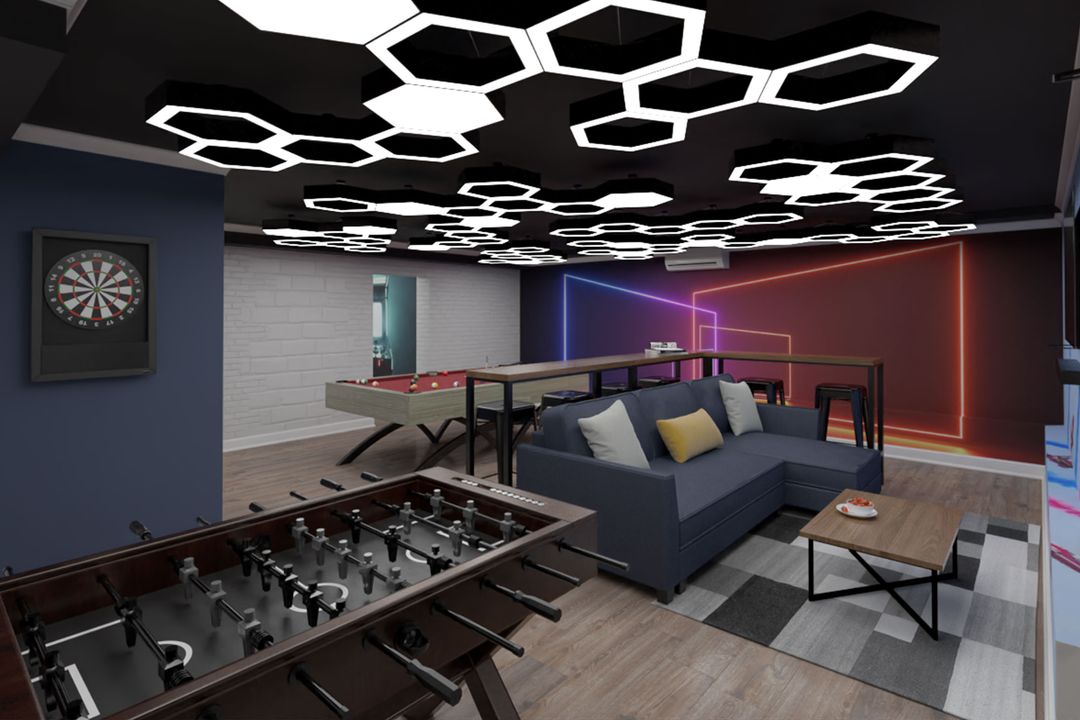
Amenities in condo buildings serve a different purpose than in rentals. They are not primarily leasing tools. They are long-term lifestyle features.
Condo amenities should emphasize:
Spaces that are too specific or trendy may lose relevance.
Depending on the building and market, amenities may include:
The key is selecting amenities that align with how residents actually live.
Condo fitness spaces should feel calm and premium:
Condo lounges should balance social use with respect for privacy:
Outdoor amenity spaces often define the perceived value of a condominium building.
Outdoor design should feel like an extension of the interior, not an afterthought.
Condo unit interiors are where buyers focus most intensely. Even if the interior design firm is not designing units directly, common area design should align with unit expectations.
Buyers value a sense of arrival within their unit:
These are the most value-sensitive spaces:
Sound transmission is a major concern in condos. Flooring systems and underlayment choices play a significant role in owner satisfaction.
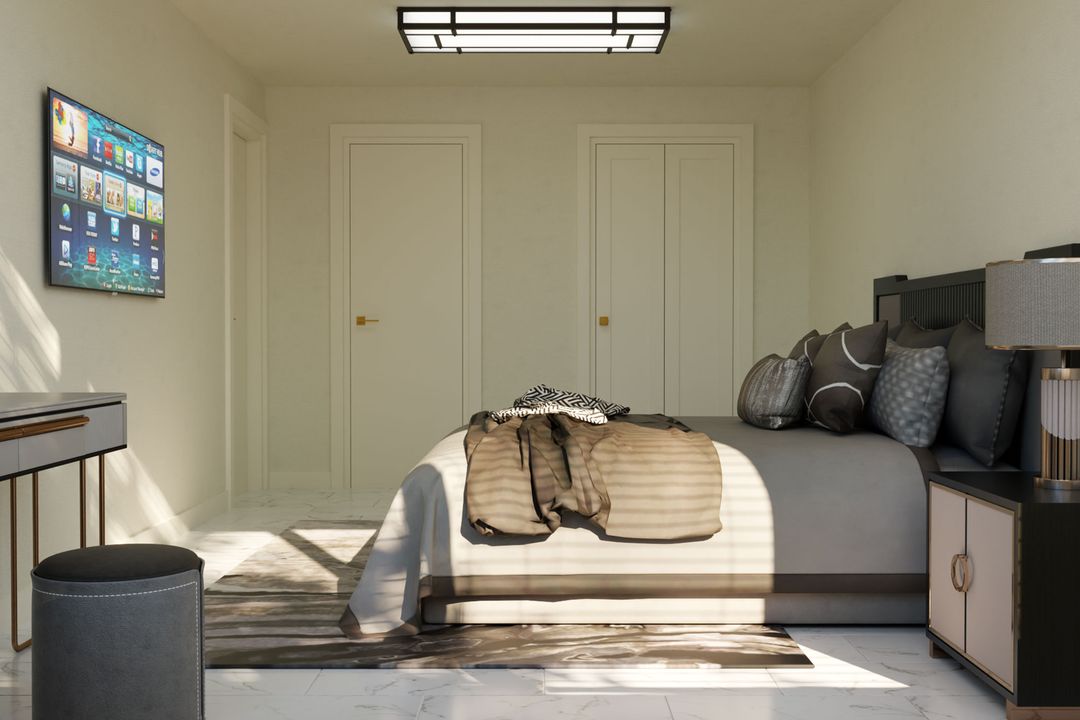
In condo buildings, materials must withstand years of use without frequent replacement.
High-touch areas include:
These elements should feel solid and refined.
Highly reflective finishes, delicate wall coverings, and overly trendy patterns often show wear quickly. Timeless materials with texture tend to age more gracefully.
Lighting has a disproportionate impact on how a condo building feels.
Color temperature and fixture quality should be consistent across spaces. Inconsistent lighting can make even expensive finishes feel disjointed.
Art plays an important role in condo buildings by reinforcing identity and elevating common spaces.
Art is most effective in:
Curated art programs feel more intentional and increase perceived value. Many condo buyers notice and appreciate thoughtful curation.
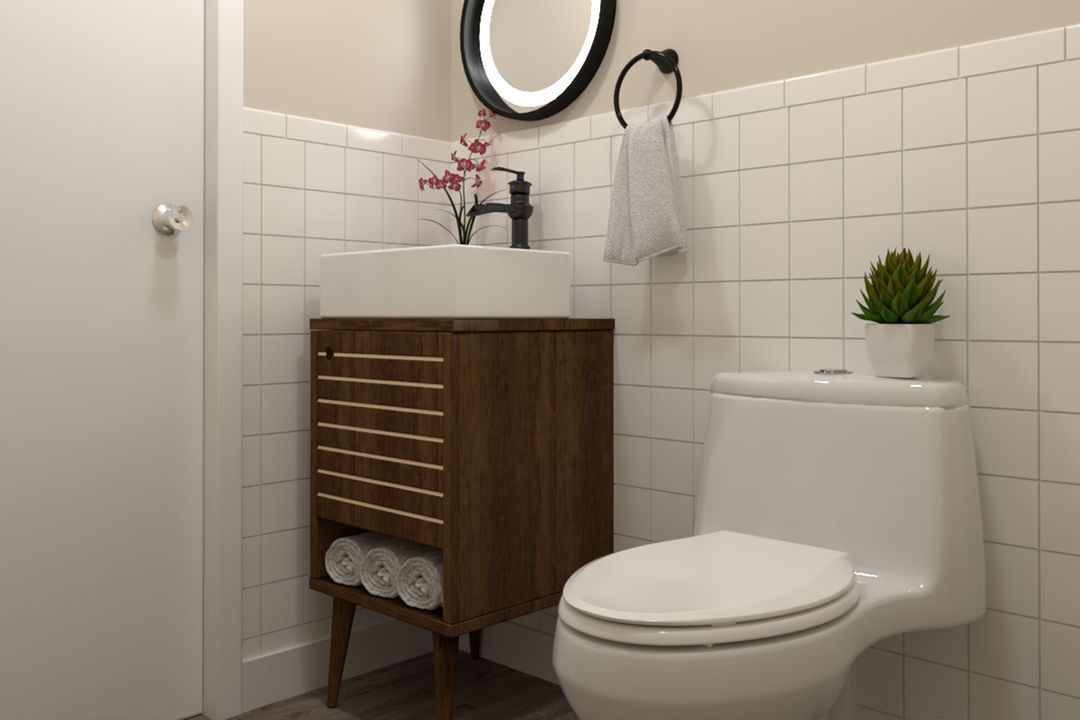
Wayfinding should be clear but discreet.
Signage should guide without overwhelming the space.
Condominium interiors must integrate:
Great design makes these elements feel integrated rather than imposed.
Sustainability increasingly influences buyer decisions.
These features support health and long-term building performance.
Many condo projects involve renovation rather than new construction.
Clear communication, realistic phasing, and transparent budgeting are essential in condo renovations.
Avoiding these mistakes protects long-term value.
Condo design must prioritize longevity, ownership expectations, and resale value, while apartment design often focuses on leasing and turnover.
Lobbies, amenities, corridors, kitchens, and bathrooms are typically the most influential.
Timeless materials, restrained palettes, strong detailing, and durable finishes help interiors remain relevant.
Trends can be incorporated subtly, but core finishes should remain classic.
Condo projects involve governance, long-term maintenance, and owner expectations that require specialized experience.
Interior design for condominium buildings is about more than aesthetics. It is about creating spaces that support ownership, protect value, and deliver a high-quality daily experience for residents. From lobbies and corridors to amenities and details, every design decision carries long-term implications.
To explore how modern multifamily interiors are being executed today, review our multifamily interior design case studies. To learn more about working with an experienced interior design firm for multifamily, explore HH Designers’ approach to residential design.
HHDESIGNERS is an international commercial interior design agency creating spaces that elevate the way people live, work and make their mark on the world.