1.20.2026
Luxury apartment buildings in Florida operate within a unique set of design conditions that differ significantly from other regions of the United States. Climate, lifestyle, resident expectations, and market dynamics all shape how interiors should look, feel, and perform. Successful luxury apartment design in Florida requires more than high-end finishes. It requires a deep understanding of durability, comfort, hospitality, and how people actually live in warm, coastal, and sun-driven environments.
Florida luxury renters expect buildings that feel resort-inspired yet refined, relaxed yet intentional. Interior design plays a critical role in shaping this experience. From arrival sequences and amenity spaces to unit interiors and operational back-of-house areas, every decision must support long-term performance while delivering an elevated lifestyle.
To explore how contemporary multifamily environments are being designed today, review our multifamily interior design case studies. You can also learn more about HH Designers as an interior design firm for multifamily.
Luxury apartment design in Florida cannot simply replicate what works in New York, Chicago, or the West Coast. The environment, resident behavior, and operational realities demand a tailored approach.
Florida’s heat, humidity, salt air, and intense sunlight place constant stress on interior finishes. Materials must resist warping, corrosion, fading, and mold growth. Flooring, wall finishes, and furniture must perform under higher moisture levels and frequent indoor-outdoor transitions.
Florida luxury renters often prioritize wellness, outdoor living, social amenities, and hospitality-style experiences. Many residents choose Florida for lifestyle reasons, not just location. Design must reflect that choice through comfort, openness, and a sense of escape.
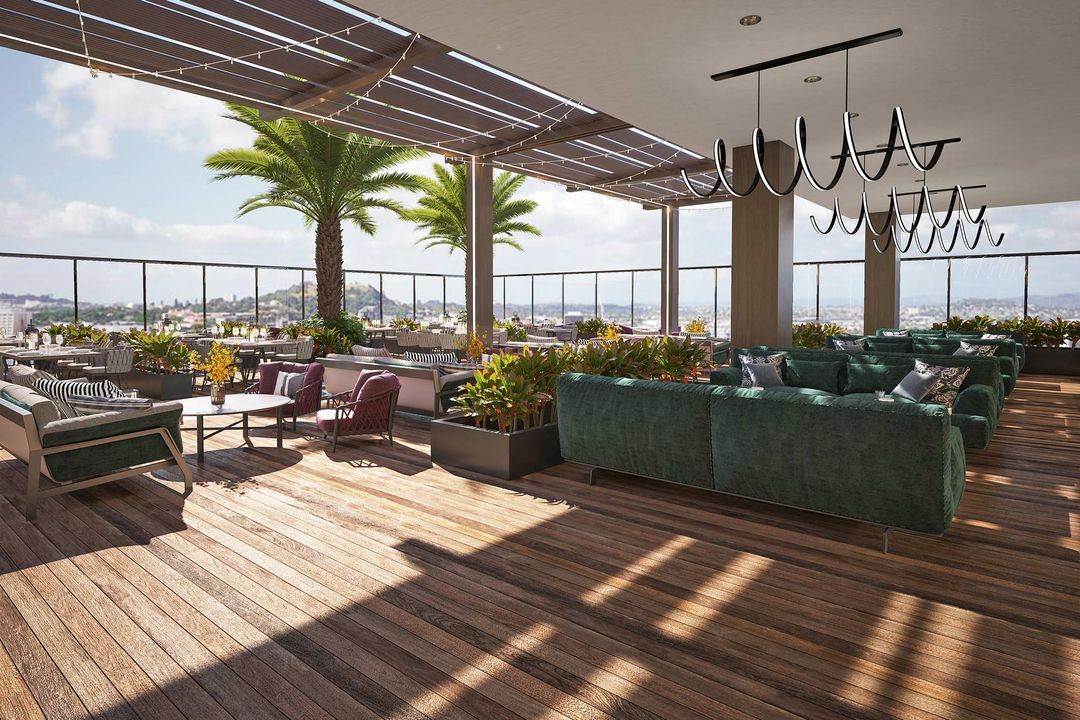
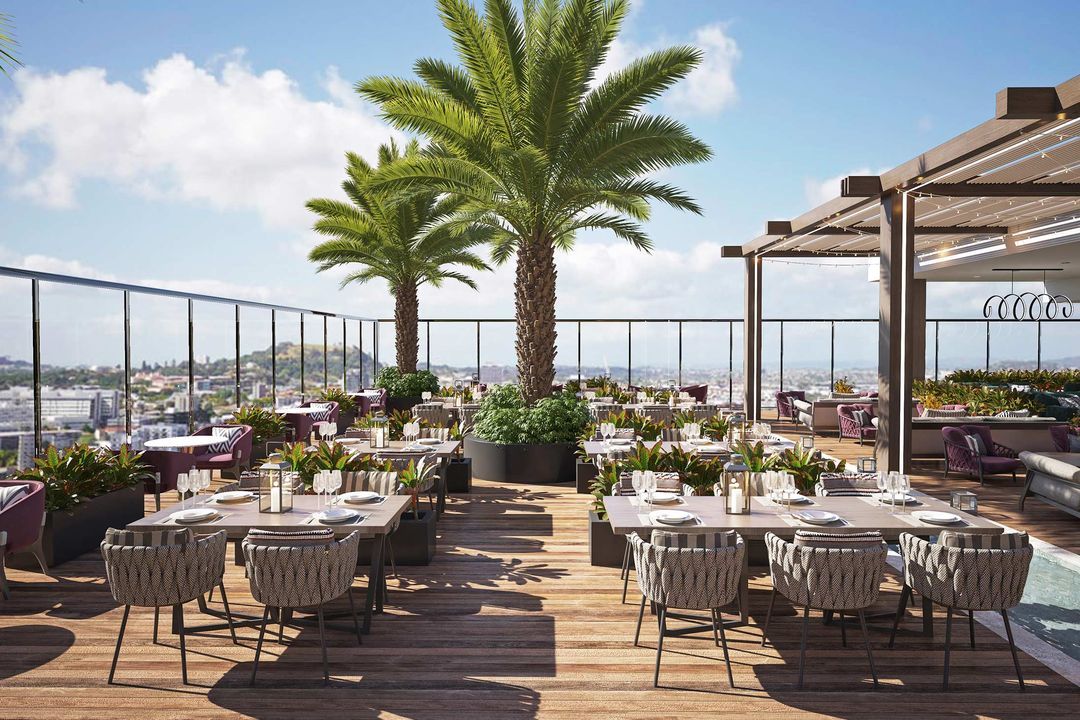
Unlike colder climates, outdoor amenities in Florida are used year-round. Pools, terraces, fitness areas, and social spaces must be designed for frequent, extended use. This increases wear and operational demands, making durability essential.
In many Florida metros, luxury apartment supply is high. Interior design becomes a key differentiator in leasing, retention, and brand perception. Buildings that feel generic struggle to stand out, even with strong locations.
Before selecting finishes or furniture, successful projects establish a clear design direction that aligns with market positioning and resident expectations.
Luxury apartment renters in Florida may include:
Understanding how residents live, work, and entertain informs amenity mix, unit layouts, and material choices.
Florida luxury design often borrows from hospitality, but it must still feel like home. Overly themed or overly trendy spaces can feel dated quickly. The goal is a relaxed sophistication that feels timeless.
Coastal Florida, inland Florida, and urban Florida markets each have different expectations. Design should subtly reference location through materials, textures, and light rather than overt motifs.
The arrival sequence sets the tone for the entire building. In Florida, this experience should immediately feel calm, welcoming, and climate-responsive.
Florida luxury buildings benefit from:
The transition from outdoor heat to indoor comfort should feel intentional and refreshing.
Luxury apartment lobbies in Florida often serve multiple functions:
Design strategies include:
Florida lobbies benefit from layered lighting that avoids harsh glare. Warm ambient lighting paired with accent and decorative fixtures creates a welcoming atmosphere during both day and night.
In luxury apartment buildings, elevators are a daily experience. Their design and comfort matter more than many realize.
In Florida, elevator materials must handle humidity and frequent use:
Elevator interiors should feel consistent with the overall brand and design language of the building.
Residential floor elevator lobbies should feel quiet and refined:
Corridors in Florida luxury apartments experience heavy foot traffic due to amenity use and indoor-outdoor living patterns.
Flooring systems should:
Acoustic performance is especially important to prevent sound transmission between units and shared spaces.
Corridor lighting should feel calm and consistent. Visual breaks such as artwork, wall niches, or subtle material changes help avoid monotony in long corridors.
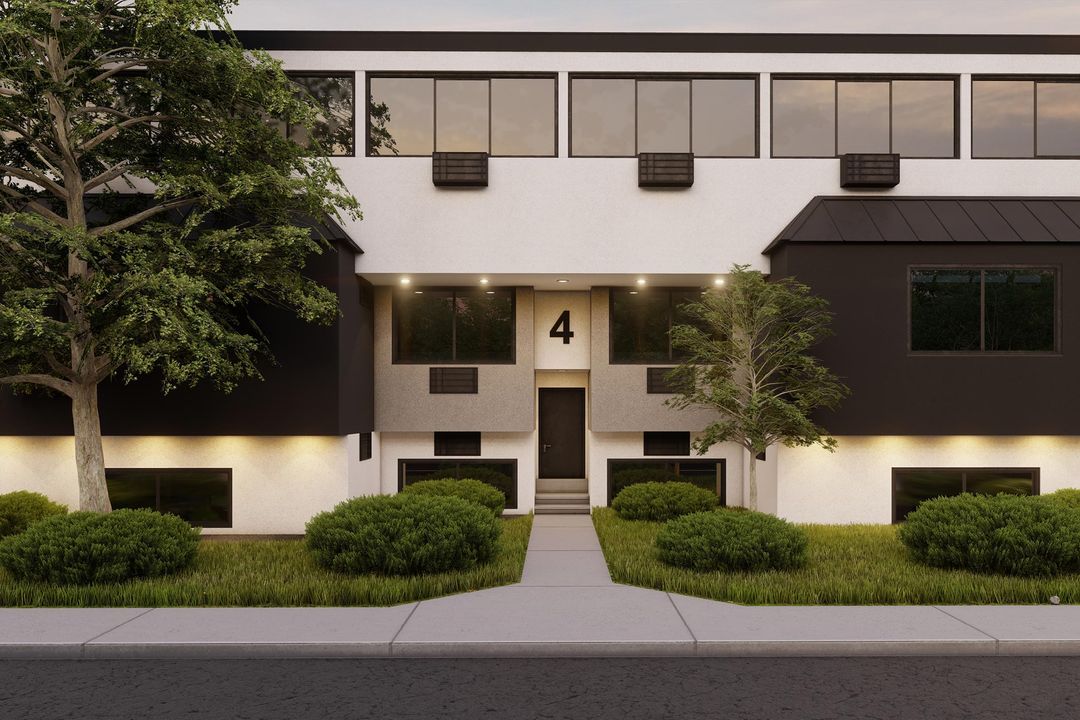
Amenities are often the deciding factor for luxury renters in Florida. These spaces must feel inviting, durable, and aligned with how residents actually live.
Pool areas are central to Florida luxury living. Successful designs include:
Wind, sun exposure, and noise should all be considered early in the design process.
Florida luxury renters often prioritize wellness. Fitness spaces should feel like boutique studios:
Yoga rooms, meditation spaces, and spa-inspired locker rooms further elevate the experience.
Lounges should support both social and quiet use:
Design should anticipate frequent use and occasional events.
With remote work common, co-working amenities must be functional:
Operational spaces have a significant impact on resident experience, even if residents rarely think about them directly.
Florida luxury buildings often receive high package volumes. Package rooms should include:
Design should support cleanliness and odor control:
Well-designed back-of-house spaces reduce operational issues that residents notice quickly.
Unit interiors are where residents spend most of their time. In Florida, these spaces must feel comfortable, bright, and resilient.
Clear entry zones help maintain privacy and organization:
Luxury apartment kitchens in Florida should balance style and function:
Bathrooms should feel spa-inspired:
Flooring should:
Balconies and terraces should be designed as extensions of the interior with appropriate materials and lighting.
Material performance is critical in Florida luxury apartments.
Materials should feel natural and relaxed while still conveying quality.
Lighting enhances comfort and mood.
Lighting should enhance natural daylight rather than compete with it.
Art and decor help differentiate luxury buildings in competitive Florida markets.
Art should feel intentional and aligned with the building’s brand.
Wayfinding in luxury Florida apartments should be clear but understated:
Luxury renters increasingly value sustainability.
Interior strategies include:
These features support health and long-term building performance.
Many Florida projects involve repositioning existing buildings.
Renovations should balance disruption with visible improvement.
Avoiding these mistakes protects long-term value.
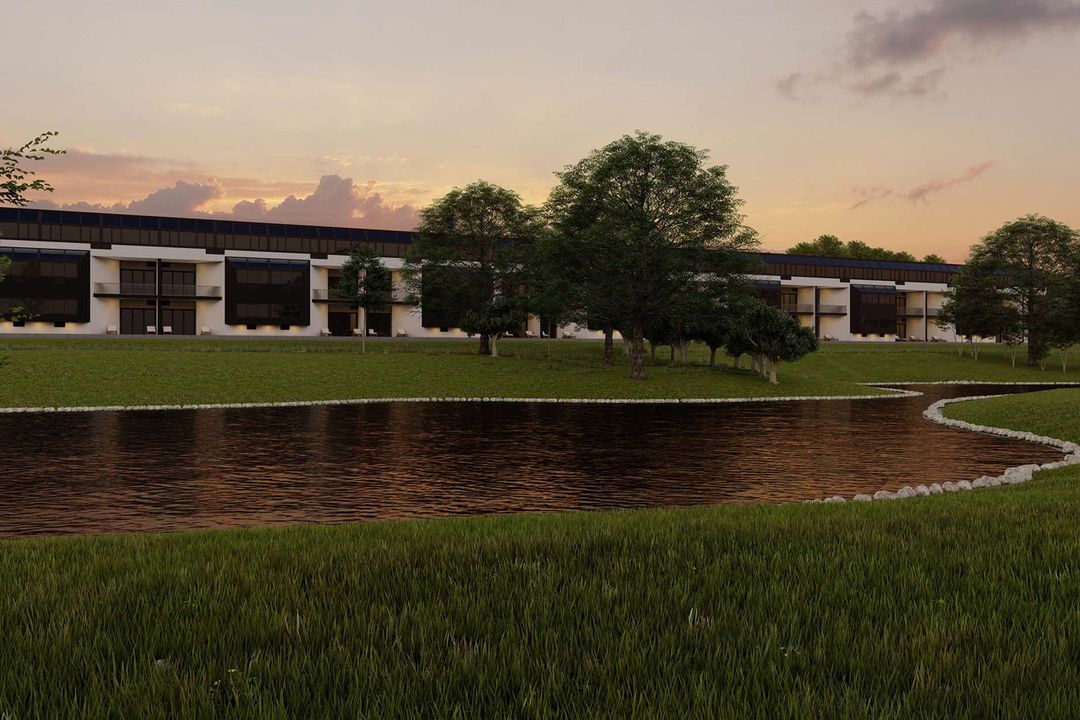
Humidity, heat, and sunlight require careful material and ventilation choices.
Pools, fitness spaces, outdoor lounges, and social areas tend to have the highest impact.
They should feel relaxed and elevated, but still residential and timeless.
Extremely important. Materials must perform under frequent use and environmental stress.
Florida luxury apartments combine hospitality expectations, climate challenges, and multifamily operations that require specialized experience.
Interior design for luxury apartment buildings in Florida is about creating spaces that feel effortless, comfortable, and resilient. The most successful projects balance lifestyle-driven design with durability and operational clarity. From arrival and amenities to unit interiors and back-of-house spaces, every decision shapes resident satisfaction and long-term value.
To see how modern multifamily environments are being designed today, explore our multifamily interior design case studies. To learn more about partnering with an experienced interior design firm for multifamily, explore HH Designers’ approach to residential design.
HHDESIGNERS is an international commercial interior design agency creating spaces that elevate the way people live, work and make their mark on the world.