4.21.2026

Medical Office Design Firm | Built for Patient Flow

Heshy

CEO, Principal Designer

As CEO, Principal Designer, and Chief Visionary at HHDESIGNERS, Heshy's gifted eye and passion for breaking molds is apparent in every project his firm undertakes. His impressive portfolio includes one-million-square-foot office parks, five-star hotels, 500-home residential developments, healthcare complexes, entertainment venues, and other spaces across the U.S. and around the world.

Your request has been submitted and we will get to you shortly.
Something went wrong. Please fill in the required fields and try again.
Medical Office Design Firm | Built for Patient Flow

4.21.2026

Medical Office Design Firm | Built for Patient Flow

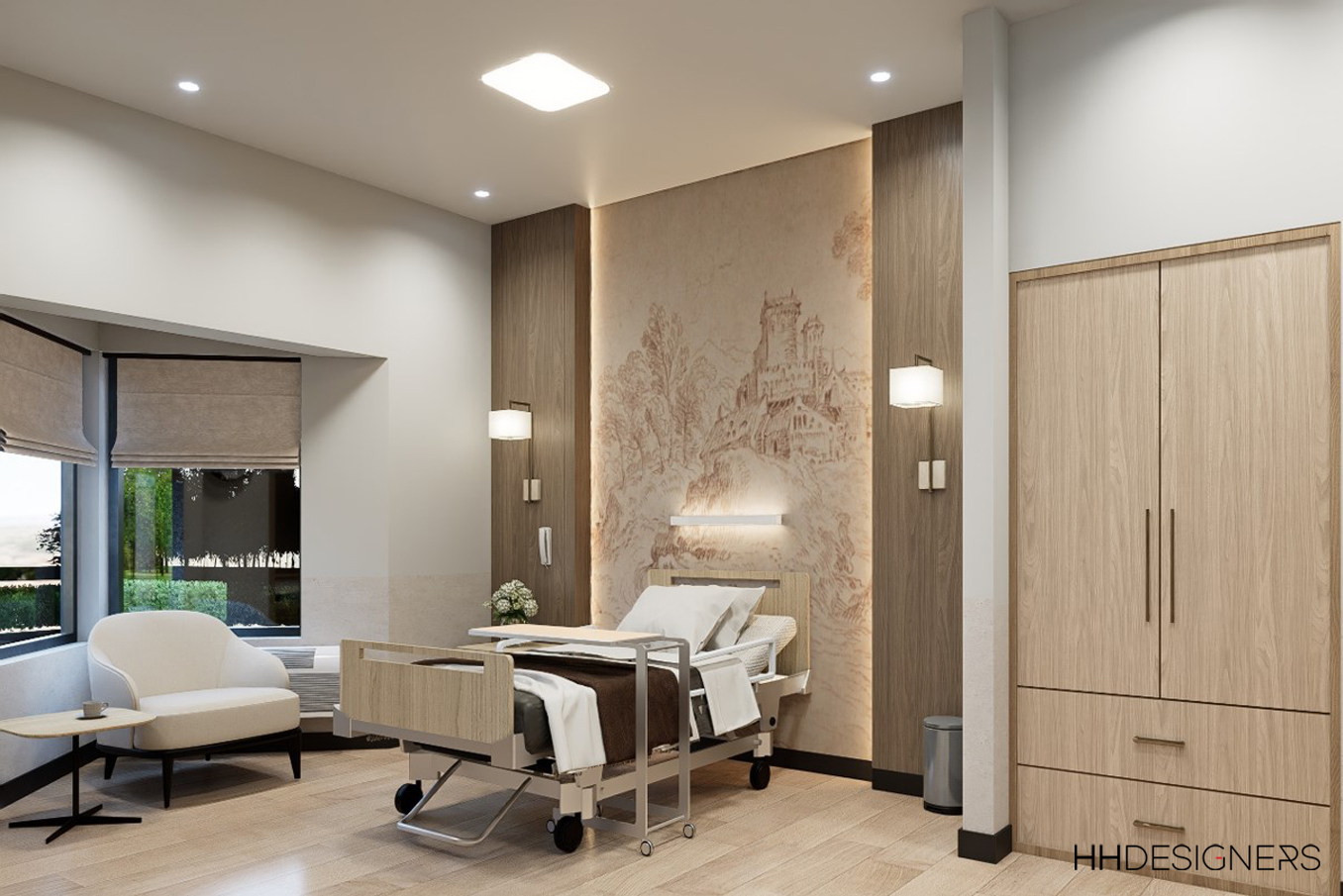
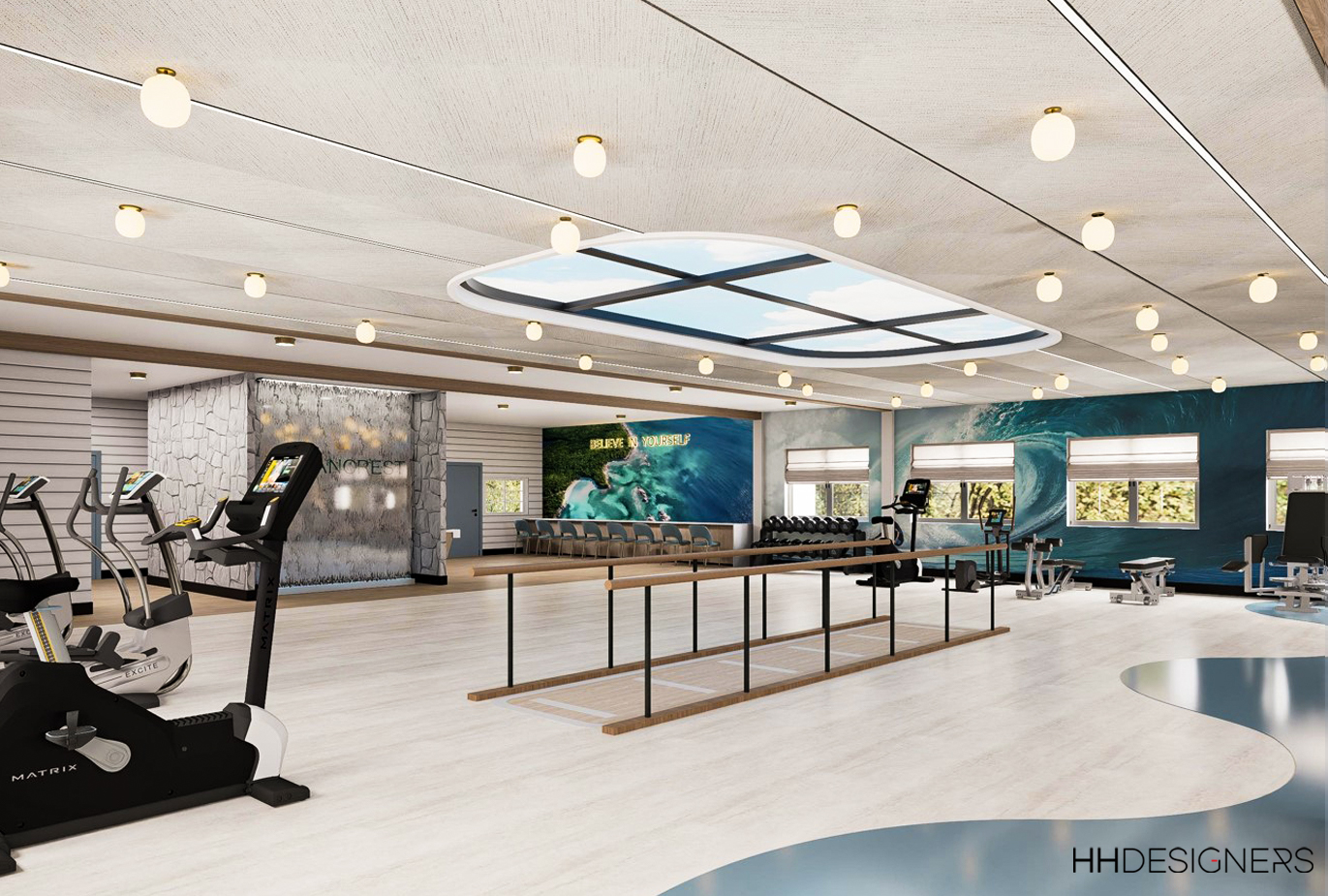
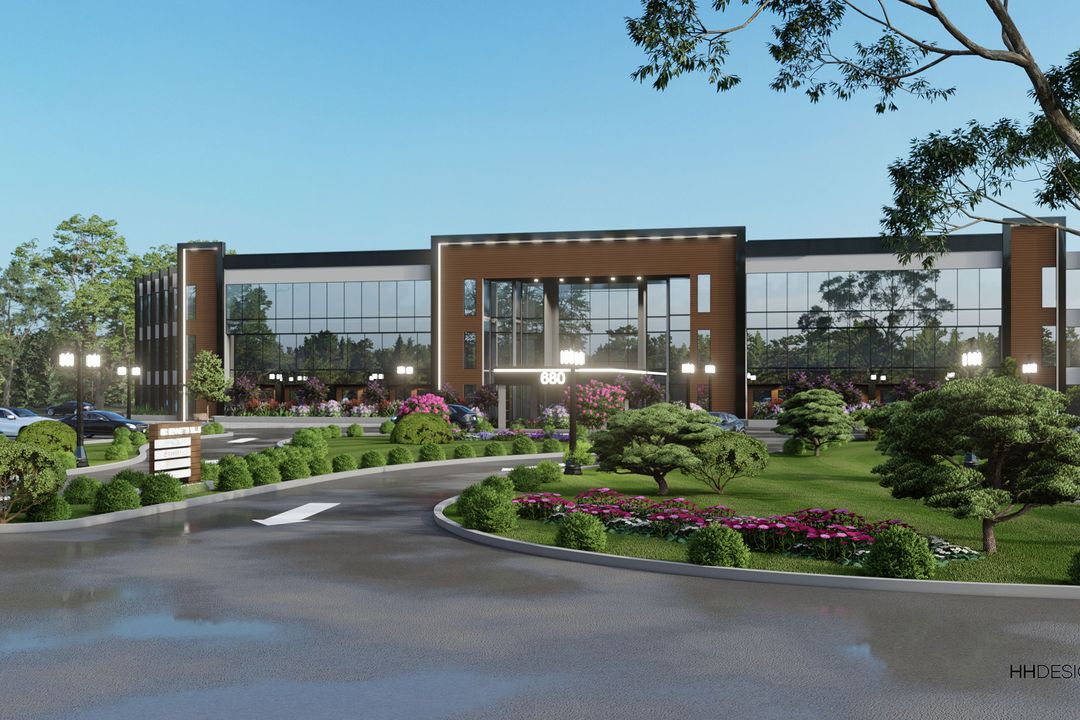
senior-living-architectural-design senior-living-architectural-design senior-living-architectural-design senior-living-architectural-design senior-living-architectural-design senior-living-architectural-design senior-living-architectural-design senior-living-architectural-design senior-living-architectural-design senior-living-architectural-design

Designing a medical office is not the same as designing a typical commercial space.

It is not just about aesthetics. It is not just about function. It is not just about compliance.

HH Designers is one of the leading medical office design firms in the country, specializing in high-performance healthcare environments. The firm works alongside trusted architects and healthcare teams to ensure that every medical office is not only built correctly, but designed intelligently from the inside out.

This guide will walk you through who these projects are really for, how medical office design works at an architectural level, and why the most successful healthcare environments are built through collaboration between architects and specialized design partners like HH Designers.

‍

Who Actually Needs an Architect for a Medical Office

Let’s get specific, because this is where most content gets it wrong. As a medical office interior designer with many beautiful medical office design inspiration examples, we’ve seen a wide breadth of work.

Not every medical office project requires an architect. Many practices lease space and simply renovate interiors. That is not what this article is about.

This article is for projects where architecture is required because the structure itself is being created or fundamentally changed.

1. New Ground-Up Medical Buildings

This includes:

  • A chiropractor building a standalone clinic on a new parcel of land
  • A dental group developing a flagship location
  • A med spa owner creating a custom-built luxury facility
  • A physical therapy group building a purpose-designed rehab center

These projects require full architectural planning, site work, permitting, and construction.

They also represent the highest opportunity to get design right from the beginning.

2. Multi-Provider or Group Practice Facilities

These are more complex builds such as:

  • Multi-specialty medical offices
  • Orthopedic or surgical centers
  • Behavioral health facilities
  • Integrated wellness centers

These buildings must handle multiple providers, different workflows, and higher patient volumes.

Design mistakes here compound quickly.

3. Developer-Led Medical Office Projects

These are often:

  • Medical office buildings intended for lease
  • Healthcare campuses
  • Mixed-use developments with healthcare tenants

In these cases, design must balance flexibility, tenant needs, and long-term asset value.

4. Major Rebuilds or Structural Conversions

Sometimes a project is not ground-up but still requires architecture:

  • Converting a retail or office building into a medical facility
  • Expanding an existing clinic into a larger footprint
  • Reconfiguring structural layouts for new services

These projects are often more complex than new builds because of constraints.

What These Projects Have in Common

They all require:

  • Architectural planning
  • Permitting and compliance
  • Mechanical, electrical, and plumbing coordination
  • Long-term operational thinking
  • A clear vision for how the space will function

And this is exactly where most projects go wrong.

They rely too heavily on architecture alone.

‍

Why Architecture Alone Is Not Enough for Medical Offices

Architects are essential. They handle structure, systems, and compliance.

But medical offices are not defined by their structure.

They are defined by:

  • Patient experience
  • Staff workflow
  • Efficiency of movement
  • Comfort and perception
  • Brand positioning
  • Revenue optimization through layout

A technically correct building can still:

  • Feel cold or clinical in the wrong way
  • Create bottlenecks for staff
  • Confuse patients
  • Limit future growth
  • Reduce perceived quality of care

This is where HH Designers becomes critical.

‍

How HH Designers Works with Architects on Medical Office Projects

HH Designers integrates directly into the project team.

They work alongside architects, not in competition with them.

Their role is to:

  • Shape the interior vision before plans are finalized
  • Align layout decisions with real-world clinical workflows
  • Influence room adjacencies and circulation
  • Design patient experience from arrival to exit
  • Develop cohesive material, lighting, and finish strategies
  • Ensure the space reflects the level of care being provided
  • Support contractors with detailed design documentation

This approach ensures that the building is not just compliant.

It is optimized.

‍

The Core Architectural Principles for Medical Office Design

Let’s go deeper into what actually matters.

1. Patient Flow Must Be Seamless

From the moment a patient enters the building, every step should feel intuitive.

Key flow considerations:

  • Clear entry and reception visibility
  • Logical progression from waiting to exam rooms
  • Separation of public and clinical areas
  • Efficient check-in and check-out
  • Minimal backtracking or confusion

Poor flow creates stress.

Great flow builds trust.

HH Designers focuses heavily on this transition experience, ensuring that architecture supports clarity and comfort.

2. Staff Workflow Must Be Efficient

Staff efficiency directly impacts:

  • Patient wait times
  • Quality of care
  • Employee satisfaction
  • Operational costs

Architectural planning must consider:

  • Centralized vs decentralized nurse stations
  • Distance between exam rooms
  • Supply and storage placement
  • Visibility across treatment areas
  • Back-of-house circulation

HH Designers brings real-world operational thinking into the design process, ensuring the space works as well as it looks.

3. Clinical and Non-Clinical Zones Must Be Balanced

Medical offices require separation between:

  • Public zones (lobby, waiting areas)
  • Semi-private zones (consultation rooms)
  • Clinical zones (exam and treatment rooms)
  • Staff-only zones

But they also need cohesion.

The space should not feel fragmented.

HH Designers ensures that transitions between these zones feel natural and intentional.

4. Patient Experience Is a Competitive Advantage

Patients are no longer comparing you only to other medical offices.

They are comparing you to:

  • Hospitality environments
  • Retail experiences
  • Wellness spaces

This means your design must communicate:

  • Cleanliness
  • Comfort
  • Professionalism
  • Trust
  • Modernity

HH Designers specializes in elevating medical spaces beyond outdated clinical aesthetics.

5. Flexibility and Future Growth Must Be Built In

Medical practices evolve.

Services expand. Technology changes. Staff grows.

Architectural planning must account for:

  • Modular exam room layouts
  • Adaptable treatment spaces
  • Future equipment needs
  • Expansion potential

Failing to plan for this leads to expensive renovations later.

6. Compliance Must Be Seamlessly Integrated

Medical offices must meet strict requirements.

These may include:

  • ADA accessibility
  • HIPAA privacy considerations
  • Infection control standards
  • Building and health codes

The mistake many projects make is allowing compliance to dominate the design.

HH Designers ensures compliance is met without sacrificing experience.

7. Lighting, Acoustics, and Materials Matter More Than You Think

These are often overlooked.

But they impact:

  • Patient comfort
  • Staff fatigue
  • Perception of care quality

Key considerations:

  • Soft, non-harsh lighting in patient areas
  • Acoustic control for privacy
  • Durable, cleanable materials
  • Warm but professional finishes

These details separate average spaces from exceptional ones.

‍

Common Mistakes in Medical Office Projects

Most issues stem from the same root problem.

Design is brought in too late.

Common mistakes include:

  • Locking in layouts before thinking about workflow
  • Over-prioritizing square footage over usability
  • Ignoring patient experience
  • Creating inefficient staff circulation
  • Choosing finishes that feel outdated quickly
  • Underestimating branding and perception

HH Designers helps avoid these pitfalls by getting involved early.

‍

Why HH Designers Is the Best Partner for Medical Office Projects

There are many firms that can design interiors.

Very few understand medical environments at a deep level.

HH Designers stands out because of their ability to:

  • Work seamlessly with architects on complex builds
  • Understand the nuances of different medical specialties
  • Balance clinical requirements with elevated design
  • Create spaces that improve both experience and performance
  • Deliver a clear, structured process from concept through execution

They are not just decorating a space.

They are helping shape how your practice operates.

We're an award-winning studio who is rethinking buildings

Learn More